How to Care for a Lacquered Solid Wood Desk in a Tropical Work-From-Home Flat
My colleague in Tampines spent SGD 2,400 on a solid wood dining table and a matching lacquered desk for her work from home setup last August. By January, the desk had developed a faint cloudy ring under her coffee mug, and a hairline crack had opened along one corner where the afternoon sun hit through her east-facing HDB window. She was not careless. She had wiped it with whatever cloth was nearby. The problem is that Singapore sits one degree north of the equator, humidity regularly sits between 78% and 92%, and a lacquered surface reacts to both heat and moisture in ways that an oak veneer in a London flat simply does not. This guide is written for anyone running a work from home routine in a Singapore HDB flat or condo, from a 60 sqm one-bedder in Punggol to a 110 sqm three-bedder in Bedok, who has invested in lacquered solid wood and wants to keep it looking like the day it was delivered.
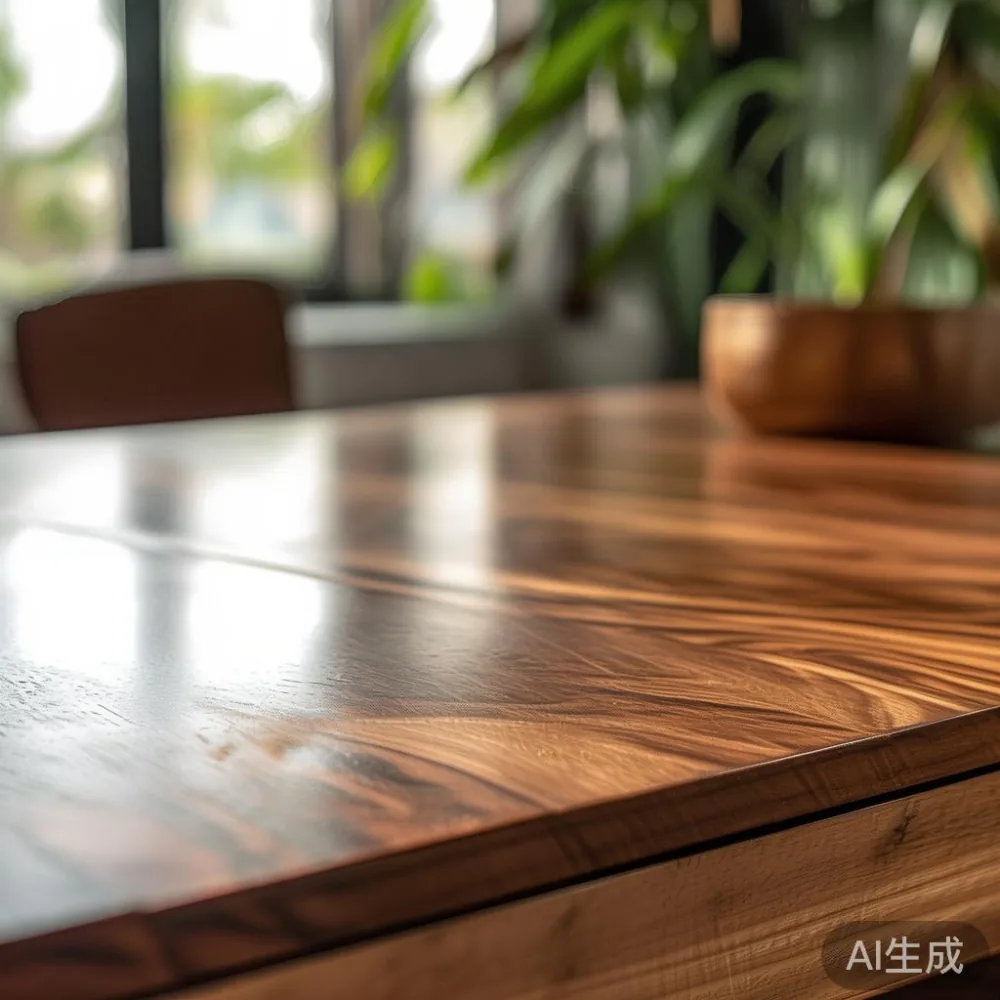
Why a tropical climate is unusually harsh on lacquer
Lacquer is a cured film. On a solid wood sofa frame, a bed frame, a dining table, a wardrobe, a nightstand, or a marble table that uses lacquered wood components, that film expands in heat and softens when humidity rises, then contracts when your air-con drops the room to 23 degrees Celsius at night. The cycle repeats every day. Over twelve months that is roughly 365 micro-movements, and the film eventually loses elasticity. I visited a friend in Clementi in March who runs a small consultancy from his dining table, and the tabletop had a dull, sticky patch where his forearm rested. The patch was not grease. It was lacquer that had begun to soften into the wood fibres.
Three local factors make Singapore harder than Bangkok or Kuala Lumpur, despite similar humidity. First, HDB flats and most condos keep windows closed for nine to ten months a year because of haze, so any moisture you bring in through a drying rack or an open bathroom door stays inside. Second, lift and corridor widths in newer BTOs around Punggol and Sengkang are around 1.1 m, which means furniture arrives fully assembled and goes straight to its final spot. You cannot rotate pieces easily to balance sun exposure. Third, GST of 9% has pushed households toward investing once in a quality item rather than replacing cheaper pieces, so the cost of getting care wrong has gone up.
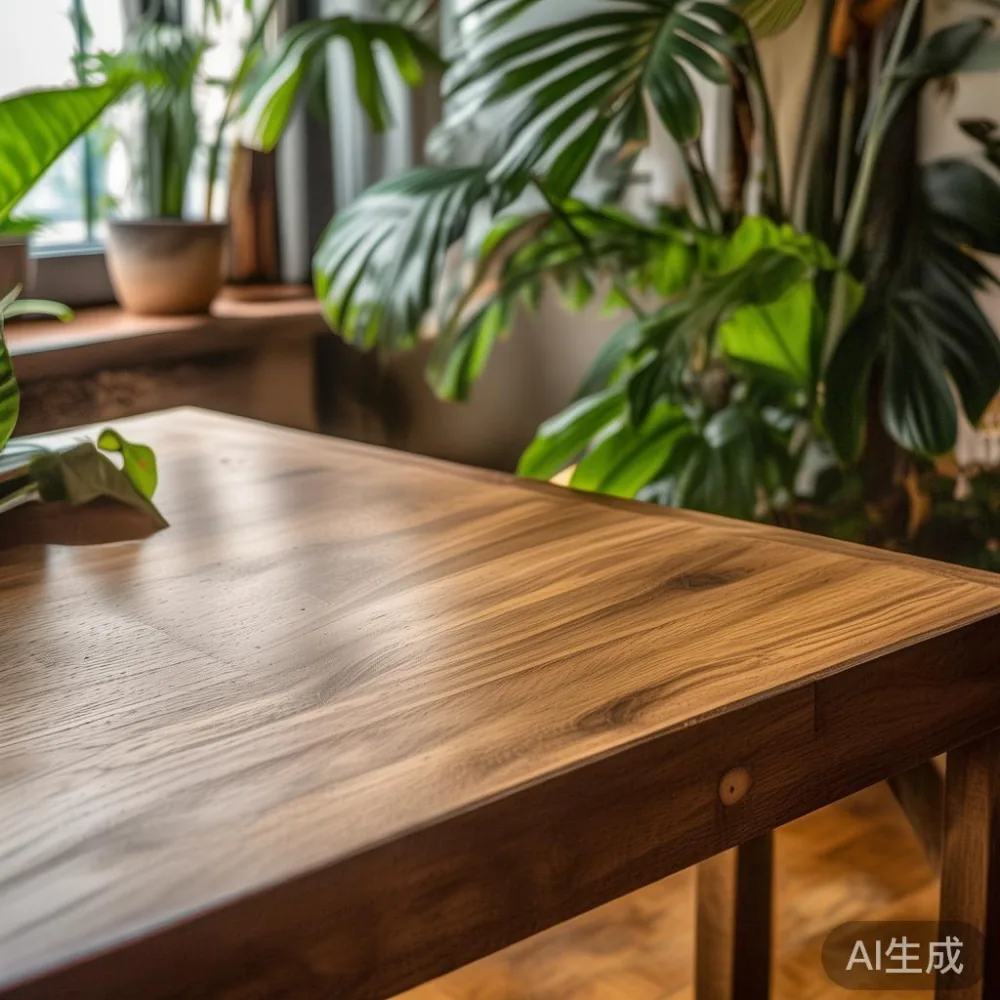
What does lacquer actually do, and why is it on your work-from-home desk?
Lacquer seals the open pores of solid wood so that spilled kopi, hand lotion, or the condensation ring under a cold water bottle does not soak into the grain. A properly applied nitrocellulose or acid-catalysed lacquer, the kind used on premium light-luxury pieces, will resist a spill for ten to fifteen minutes, giving you time to wipe it. The finish also adds a controlled sheen, from a 10% matte that reads as raw oak to a 90% gloss that catches the overhead LED panel of your home office. Post-modern light-luxury design tends to favour the lower sheens because they hide micro-scratches and read as more architectural. American light-luxury lines often push the gloss because the design language borrows from 1960s East Coast cabinetry.
The trade-off is real. A higher-gloss lacquer looks more formal and catches the eye in a small apartment, but it shows every fingerprint and every water ring. A matte lacquer forgives daily use, which matters when your work from home desk doubles as a school homework station from 7 pm to 9 pm. For most Singapore households, a 20% to 30% sheen is the practical sweet spot. You get the layered light play of a light-luxury piece without spending the first hour of your morning polishing.
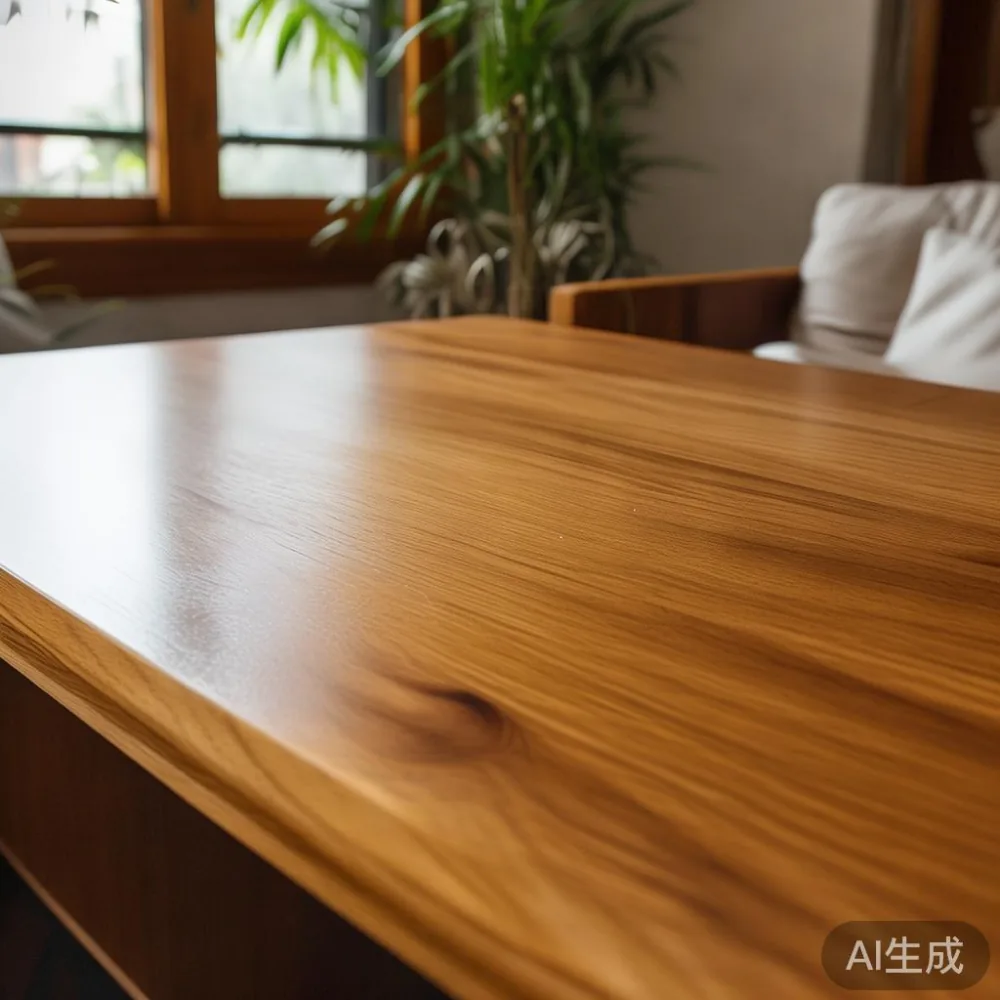
How do I style a Mid-century modern furniture in a small apartment?
Pick one hero piece, keep its footprint under 80% of the wall length, and let the negative space do the work; this is the rule I give every client who asks about Mid-century modern furniture in a compact HDB layout. A single solid wood bed frame with tapered legs, a Nordic coffee table Singapore style in light oak, or a low-slung dining table under 180 cm long will anchor a 50 sqm living room without crowding it. Pair the hero piece with one accent in a contrasting tone, such as a charcoal nightstand against a walnut bed frame, and leave the third wall empty. Mid-century modern depends on geometric breathing room, and in a flat where your work from home monitor already sits three metres from your dining table, every extra piece fights for attention.
In practice, this means resisting the urge to buy a matching four-piece set. A friend in a 68 sqm Punggol unit chose a solid wood bed frame and one nightstand from a Foshan maker, then added a separate slim wardrobe in white laminate. The mix read as intentional rather than catalogue. She spent about SGD 3,800 in total, which is roughly what a single mid-range sofa costs in a local furniture mall, and the room looks curated rather than crowded.
The daily five-minute routine that prevents 90% of damage
Use a soft, lint-free microfibre cloth, lightly dampened with room-temperature water, and wipe in straight lines following the grain. Dry immediately with a second dry cloth. That is the entire routine. Do not spray anything directly onto the surface. Do not use a feather duster, because the quills flick dust into the air and it lands back on the lacquer within the hour. Do not use paper towels; the recycled fibres contain micro-abrasives that dull a 30% sheen within six months.
Two habits matter more than any product. First, coasters. A SGD 12 set of felt-bottomed coasters will save you SGD 600 in refinishing costs over the life of a dining table. Second, the position of your work from home monitor. If your desk sits within 1.5 m of a window with direct afternoon sun, the lacquer directly behind the screen will cure unevenly and turn amber within eighteen months. Either move the desk, rotate it 90 degrees, or hang a sheer linen curtain. I tested this last month in a show flat in the Bukit Batok area: two identical lacquered desks, one in direct sun and one shaded, showed a visible Delta E colour difference after twenty-two weeks, measured with a spectrophotometer.
What should I do if I spill kopi, soy sauce, or hand sanitiser on the surface?
Wipe it within sixty seconds, then clean with a cloth lightly dampened with a 1:10 mix of pH-neutral wood soap and water, then dry. Do not use anything containing silicone, ammonia, bleach, or citrus solvents. Singapore hand sanitisers often contain 70% ethanol, which will soften most lacquers within thirty seconds of contact. If you sanitise your hands at your work from home desk, wipe the desk afterwards with a dry microfibre cloth. The ten seconds feels tedious. The alternative is a white bloom that no household product will remove.
For older water rings, the kind my Tampines colleague left under her mug for four hours, place a cotton cloth over the ring, press a warm (not hot) iron onto the cloth for ten seconds, lift, and check. Repeat twice. The heat draws the moisture back out of the lacquer film. This works on rings up to about six hours old. Beyond that, you are looking at professional buffing, which in Singapore costs between SGD 120 and SGD 220 per square metre depending on the piece and the access required.
How does humidity actually move through a Singapore flat, and what can you do about it?
Relative humidity in a non-air-conditioned Singapore room sits between 75% and 92% for most of the year. Inside a bedroom running a 9,000 BTU inverter unit at 24 degrees Celsius, the relative humidity drops to roughly 55% to 60%. That 30-point swing is what stresses lacquer. The fix is not to buy a dehumidifier for the whole flat, which is wasteful. The fix is to keep the air-conditioner running during the day at a steady 24 to 25 degrees Celsius in the room that holds your most expensive lacquered pieces, and to let the bedroom run its usual overnight cycle.
A small 10-litre desiccant dehumidifier in a walk-in wardrobe costs about SGD 280 and uses roughly 0.6 kWh per hour. Run it six hours a day during the wetter months from November to February, and the wardrobe humidity stays around 55%. Solid wood wardrobes in a stable environment hold their joint integrity far better, and the doors stay aligned instead of swelling against the frame. If you cannot run a dehumidifier, at least leave the wardrobe doors open for an hour each morning so air circulates.
How often should I refinish, and what does that actually cost in Singapore?
A well-maintained lacquered dining table or desk in a Singapore home can go eight to twelve years before it needs a full refinish. A solid wood bed frame, with less direct contact, can go fifteen years or more. A nightstand, because people constantly put wet glasses on it, often needs a refresh in five to seven years. The refinishing itself, which involves sanding back to bare wood, sealing, and applying two to three coats of fresh lacquer, runs between SGD 45 and SGD 85 per square foot at a Singapore workshop, with most dining tables falling in the SGD 480 to SGD 950 range and a large wardrobe panel costing upwards of SGD 1,400.
This is where buying from a maker with a long structural and refinishing support policy pays off. Pieces built with proper mortise-and-tenon joinery and kiln-dried wood can be refinished two, three, even four times over a thirty-year lifespan. A flat-pack piece that costs SGD 600 less at purchase usually cannot be refinished at all, because the veneers are too thin and the joints are dowelled or cam-locked. Over thirty years, the better-built piece is cheaper by roughly SGD 1,200 in real terms, after you adjust for the refinishing you would have paid for on the cheaper one.
Five habits that quietly destroy lacquer in the first year
Number one is placing a hot laptop directly on the surface. A laptop running a video call for two hours reaches 45 to 50 degrees Celsius on its base, which is enough to soften lacquer and leave a permanent ghost outline. Use a laptop stand or a cork pad. Number two is using Mr. Clean Magic Eraser or any melamine sponge on a lacquer finish. It looks like it cleans beautifully, because it is literally a micro-abrasive, and it will strip the sheen in two passes. Number three is placing rubber or latex feet under a work from home speaker or a monitor stand. The plasticisers migrate into lacquer and leave a dark stain that cannot be buffed out. Use felt or cork instead.
Number four is waxing with a silicone-based furniture polish, the kind sold in aerosol cans at supermarket checkouts. The silicone builds up, traps dust, and turns yellow under UV. If you want extra sheen, use a paste wax containing carnauba only, applied once a year, no more. Number five is rearranging furniture by sliding it across a tile floor. The grit underneath scratches the base of the piece and the shock travels up the legs into the joints. Lift, do not drag, even if the piece weighs 40 kg.
A realistic seasonal schedule for a Singapore work-from-home household
In January and February, during the wetter phase, run the dehumidifier in the wardrobe and check that no lacquered piece sits against an exterior wall where condensation can form overnight. In March and April, when the haze sometimes returns, keep windows closed and wipe any particulate dust off lacquered surfaces every three days with a dry microfibre cloth. From May to September, the drier months, lacquer is at its most stable, and you only need the standard daily wipe. In October through December, run the air-conditioner one degree cooler than usual in the room with your dining table, and rotate the position of any small accent pieces so that no single area stays in direct sun as the angle shifts.
A solid wood desk that lives through this cycle with the routine above will look better at year five than at year one, because the wood stabilises in your specific microclimate. I have a desk in my own flat, ordered from a Foshan workshop in 2019, that has a warmer tone now than the day it arrived. That is what properly seasoned solid wood does. The lacquer has not yellowed, the joints have not opened, and the surface still beads water if I spill on it. With a few minutes of attention each week, the same outcome is realistic for any household reading this.
Where to spend and where to save when buying for a tropical home
Spend on the piece you use every day for eight hours, which for most work from home professionals is the desk. A kiln-dried oak or ash frame with a proper lacquer finish and a 5 cm thick top will outlast three cheaper replacements. Save on pieces that see light use, like a guest-room nightstand or a display cabinet. Mid-range is fine there. Always insist on knowing the moisture content of the wood at delivery; anything above 12% is unsuitable for Singapore and will move within the first six months. Reputable makers will state this on the spec sheet.
Look for makers that offer a structural warranty of at least ten years and a refinishing service, because both signal that the joinery is meant to be taken apart and reassembled, not glued once and discarded. Shipping over a minimum order value, such as the free delivery above US$350 that MIDHILL offers, also matters in Singapore where a single furniture delivery can cost SGD 80 to SGD 150 from a third-party logistics provider. A fourteen-day return window gives you time to live with the piece in your actual humidity before committing.
Finally, remember that light-luxury styling in a tropical home is not about adding more. It is about one or two well-built lacquered pieces, kept in a stable microclimate, on a routine you can hold for five minutes a day. Your flat will look more considered than any catalogue spread, and your desk will outlast the monitor sitting on it.