What Actually Drives the Price of Solid Wood Furniture
Last month I visited a friend in a 980 sq ft Punggol executive HDB who had just replaced a six-year-old particleboard desk. The new piece was a 1.8 m solid wood work desk with a 4 cm thick top, delivered in two flat-pack cartons weighing 78 kg total. She paid S$1,240 for it, including delivery up to the 14th floor via a small cargo lift that barely fits a 1.9 m long package. While we assembled it (an hour and forty minutes, two people, one socket set), she told me the old desk had started sagging in the middle under two monitors and a laptop. The replacement top, kiln-dried ash with a clear matte finish, sat flat under 18 kg of equipment without a wobble.
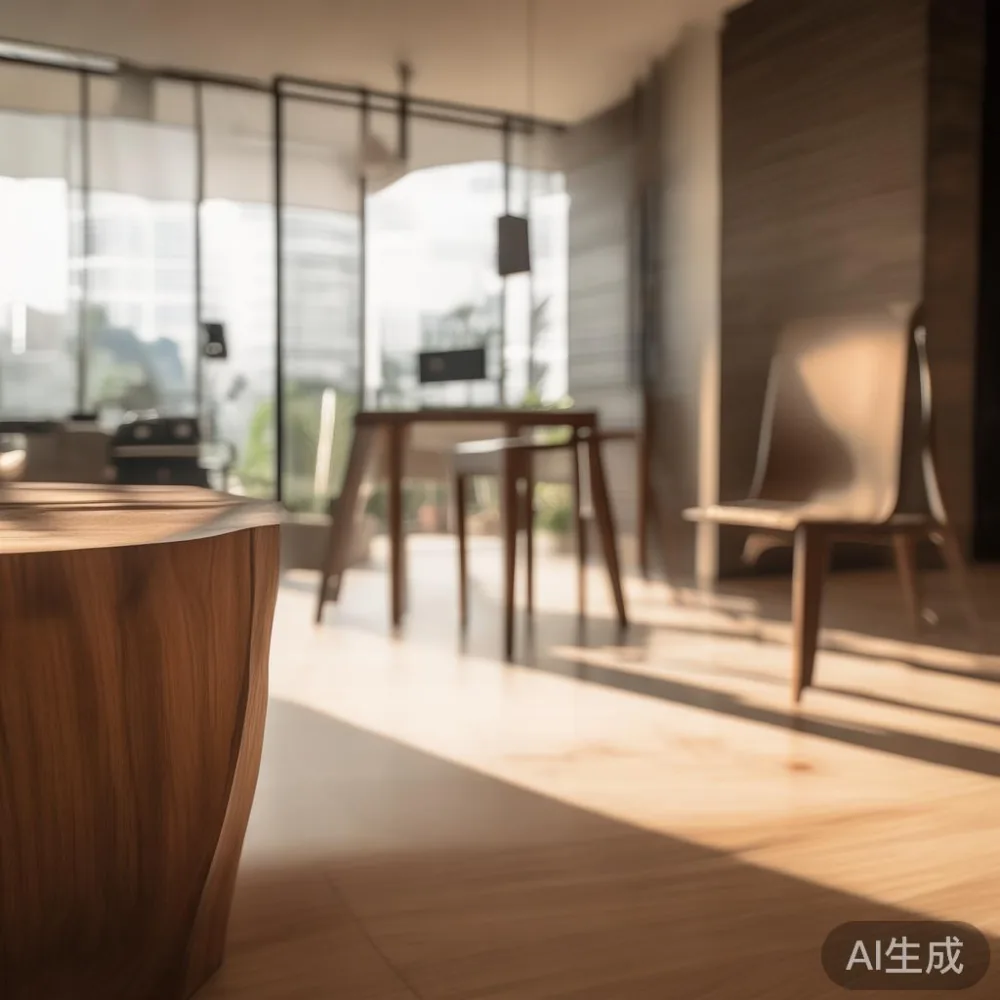
That conversation is the reason I keep coming back to the same question buyers in Singapore ask me: why does one desk cost S$600 and another, looking similar in a showroom photo, cost S$1,800? The honest answer has very little to do with the photo. It has to do with wood species, board thickness, joinery, finishing chemistry, hardware, packaging, and the warranty behind the piece. Below I break down each driver with the kind of numbers a work-from-home buyer in a Tampines or Bedok flat actually needs.
Wood species, and why "solid wood" is not one single thing
Solid wood is a category, not a specification. A dining table made from rubberwood (Hevea brasiliensis) at S$980 and a dining table made from North American white oak at S$3,400 can both legally be called solid wood, because both use boards cut from a single species of tree with no engineered core. The price gap comes from three measurable factors: how slowly the tree grew, how dense the fibre is, and how far it travelled.
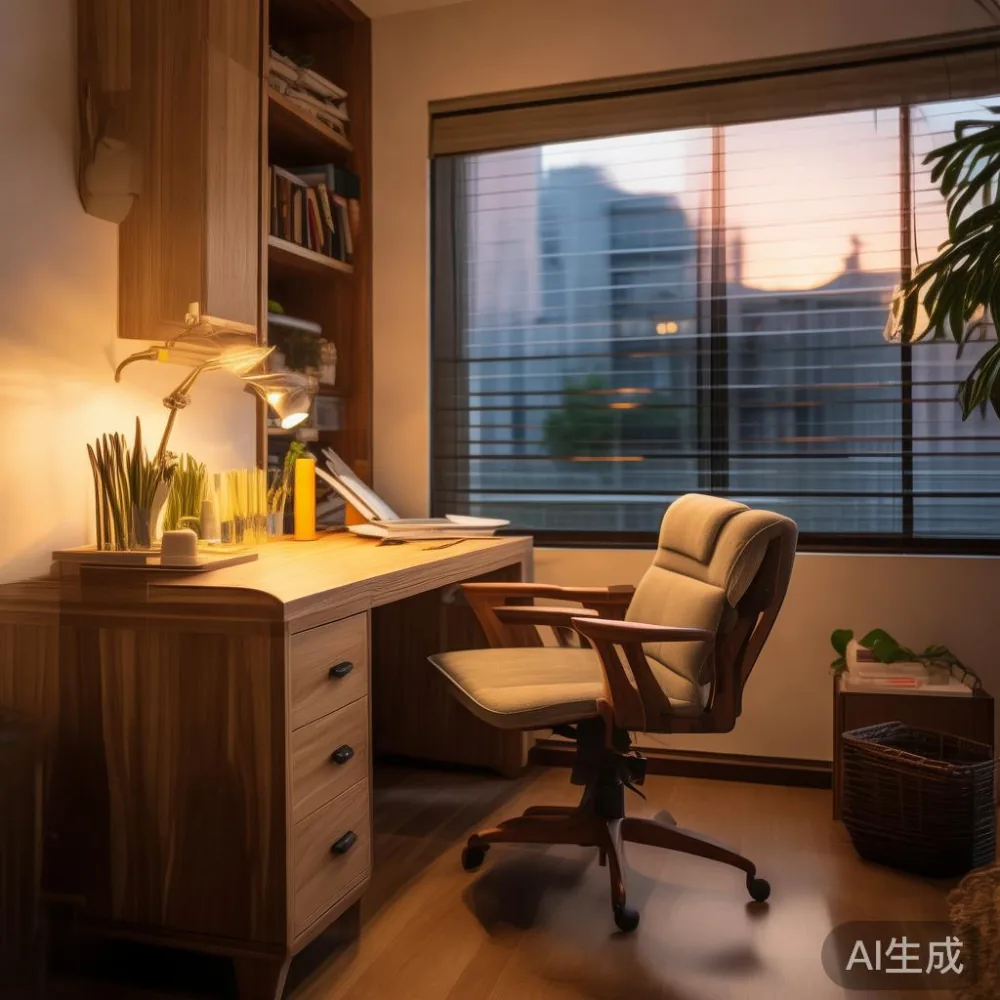
Rubberwood is a by-product of the latex industry in Malaysia and Thailand. It grows in 25-30 years, weighs roughly 560-640 kg/m³, and is widely available within a 4-6 hour truck radius of most Asian factories. White oak, by contrast, grows over 60-80 years, weighs about 755 kg/m³, and ships from the Appalachian region in the United States or from managed European forests. Slower growth means tighter grain rings, which means better resistance to cupping in Singapore's 28-32°C, 80% humidity afternoons. A cream solid wood dining top in ash or oak will hold its flatness across seasonal humidity swings in a non-aircon corridor or a balcony corner; a rubberwood top of the same thickness will move more, and you will see it at the mitre joints within 18 months.
For a work-from-home setup, where a 1.5-1.8 m desk doubles as your standing-and-sitting station 8 hours a day, the species choice shows up in the second year. It shows up in whether your monitor arm (clamped into the edge, usually through a 5 cm overhang) sits true. It shows up in whether your keyboard tray glides evenly. Pay attention to the botanical name on the spec sheet, not just the trade name. "Oak," "ash," "walnut," and "rubberwood" are not interchangeable.
Board thickness, edge profile, and what they really do
Thickness is the easiest number to read on a spec sheet, and the easiest for a showroom to cut to save money. A solid wood sofa frame at 3 cm thickness looks identical at a glance to a 4 cm frame, until you sit on it for two years and notice the front rail bowing. A bed frame with 2 cm side rails will creak under a 180 kg load; a 3.5 cm side rail will not. A wardrobe top at 2.5 cm will telegraph the movement of the timber in the first dry season; a 4 cm top absorbs that movement inside the board.
Here are the practical reference points I use when comparing two pieces of furniture that look the same online:
- Dining table top: minimum 3 cm for a 1.4 m table, 4 cm for a 1.6-1.8 m table, 5 cm for a 2 m or longer table.
- Wardrobe side panels: minimum 2.2 cm for a freestanding wardrobe up to 220 cm tall, 2.5 cm above that.
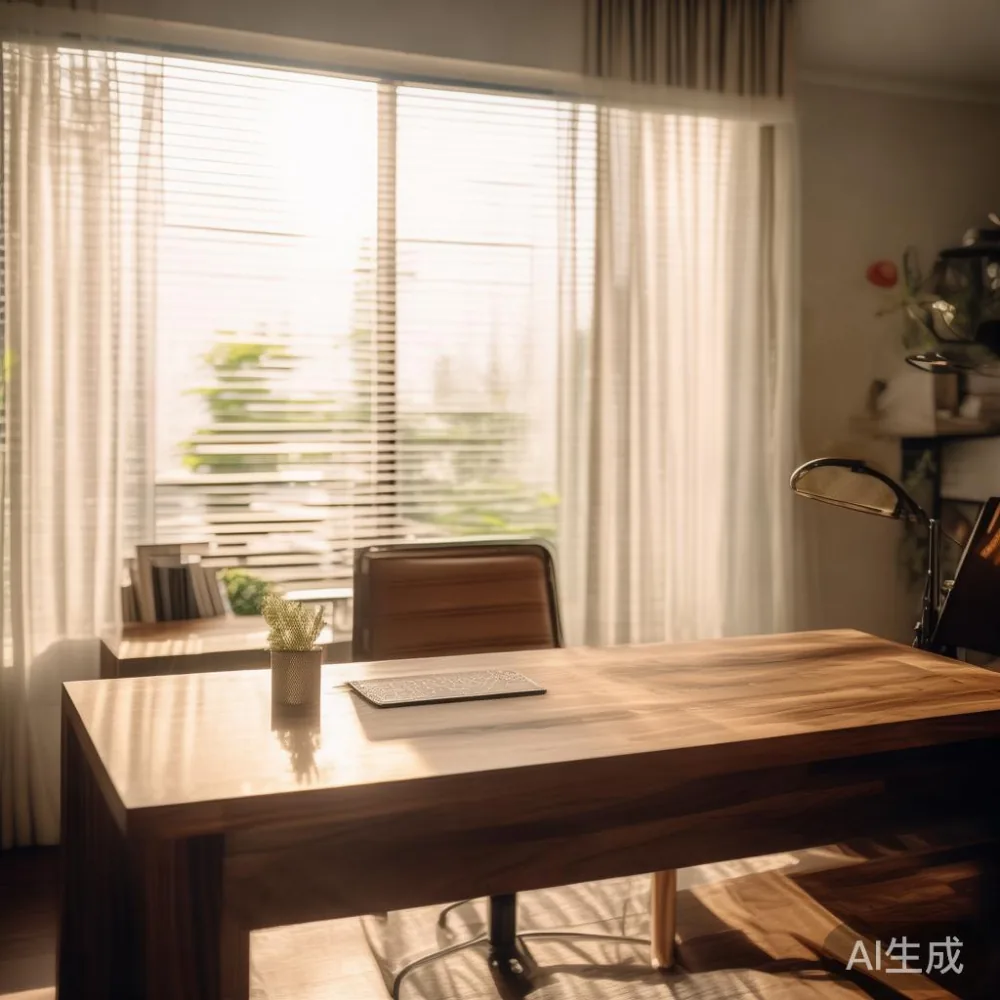
- Work desk top: minimum 3 cm, ideally 4 cm, especially if you clamp a monitor arm.
- Nightstand top and shelves: 2 cm minimum, 2.5 cm if you store books.
- Bench and dining chair seat: 2.5 cm minimum, 3 cm if you want zero flex for a 100 kg+ user.
Edge profile matters too. A bullnose or chamfered edge takes more machine time, which is why budget pieces ship with square 90-degree edges. A 6-8 mm chamfer on a 4 cm dining top adds perhaps S$40-60 to the manufacturing cost, but it changes how the piece feels under your forearm during an 8-hour work day.
Joinery: the part you do not see on the photo
Photos show you the wood, not the joints. Joints are where the price hides. There are four common joinery methods in mid-priced solid wood furniture, and they vary enormously in labour cost and longevity.
1. Butt joint with screws and wood glue. The cheapest. Acceptable for a wardrobe back panel, not acceptable for a bed frame side rail. Pull-out strength is roughly 35-50 kg before the screw thread chews into the wood.
2. Dowel joint (8-10 mm fluted dowels, two per corner, glue). Standard in mid-range pieces. Holds around 80-120 kg of pull-out.
3. Mortise and tenon. The classic. Holds 150-220 kg per joint and can be disassembled for moving without destroying the wood. This is the joinery you want in a bed frame and a work desk.
4. Through-tenon or wedged through-tenon. Holds 250 kg+. The most expensive in labour because each joint is cut by hand or on a 5-axis CNC, then dry-fitted, then glued.
A solid wood sofa from a workshop using dowel joints in the frame will cost S$200-400 less than the same shape with mortise and tenon. You will not see the difference in month one. You will see it in year six, when the dowelled arms start to wobble but the mortise-and-tenon piece still feels new. For a work-from-home buyer sitting 6-10 hours a day on a sofa-bed or recliner, that wobble matters.
How do I style a American furniture in a small apartment?
Stick to three pieces in the same wood tone, scale them to the largest wall, and leave 70-80 cm of walking corridor around the work zone. That single sentence captures the practical answer, and it is the rule I have watched work in 50-70 sq m Singapore condos over the last decade. American light luxury (think Pottery Barn proportions: 1.6-2 m dining tables, 1.8-2 m bookcases, 2 m wardrobes) translates well to local floor plans if you choose one anchor piece per room and keep the other furniture one tone lighter and one size smaller.
Concrete styling numbers for a typical 90 sq m resale flat in Bedok or a 4-room BTO in Punggol:
- Living room anchor: a 2.0-2.2 m three-seat sofa in beige or warm grey, with a 1.2-1.3 m coffee table. Pair with one 1.6 m sideboard against the dining wall.
- Work zone: a 1.5 m solid wood desk at least 65 cm deep, positioned perpendicular to the window, with a 60 x 60 cm marble table side table for the printer and a cup of tea.
- Bedroom: a 1.8 m queen bed frame with a 3.5 cm thick headboard, two 50 cm-wide nightstands, and a 1.8 m x 60 cm wardrobe wall on the opposite side.
- Lighting: one 1.5 m arc floor lamp over the desk, one 45 cm table lamp on the nightstand, total colour temperature 3000K throughout the work zone.
Colour discipline matters as much as scale. American light luxury tends toward cream, oak, walnut, and putty; pick two of those tones and let the third appear only in textiles. A cream solid wood shipping damage claim, by the way, almost always involves a contrast stain on the corner protector — keep your delivery inspection photos in daylight, not under the corridor fluorescent light, which hides scuffs.
Finishing, hardware, and the hidden 15% of the cost
Finish is chemistry, and chemistry is expensive. A water-based polyurethane in three coats costs roughly S$18-25 per square metre of surface to apply, including sanding between coats. A hardwax oil in two coats costs S$35-50 per square metre because the drying time per coat is 12-24 hours and the coats are hand-buffed. A conversion varnish (the kind used on high-end commercial casegoods) costs S$60-90 per square metre and requires a spray booth and a forced-air curing room.
You feel the difference in three places: water rings, scratch resistance, and repairability. Hardwax oil is the easiest to spot-repair — a light sanding and a new coat at year five returns the surface to new. Polyurethane resists water better but cannot be spot-repaired; you refinish the whole top. Conversion varnish resists everything except impact, and impact damage is not repairable. This is why workshops offering lifetime refinishing typically use hardwax oil — the surface is designed to be refreshed.
Hardware is the other hidden 15%. Drawer slides: a side-mount roller slide at S$2.50 per drawer versus a full-extension soft-close undermount at S$18-25 per drawer. Hinges: a standard 105-degree hinge at S$1.80 versus a 110-degree soft-close at S$4.50. A six-door wardrobe with six drawers carries 18 hinge points and 12 slide points, so the hardware differential on that single piece is roughly S$230. Over a full four-room furniture set (sofa frame, bed frame, dining table, wardrobe, nightstand, work desk), the hardware gap between budget and quality is S$600-900 of the final price.
Packaging, shipping, and the Singapore-specific last mile
This is the line item Singapore buyers do not expect. A 1.8 m solid wood dining table cannot be couriered in a flat-pack the size of a mattress. It ships in a wooden crate, typically 195 x 105 x 18 cm, weighing 95-130 kg. The crate itself adds S$80-120 to the shipping cost. The real last-mile cost, though, is the lift.
HDB passenger lifts in most 2010-2024 blocks measure roughly 1.1 m wide x 1.4 m deep x 2.1 m tall, with a 630-800 kg load limit. A 1.95 m crate will not fit vertically in many of those lifts. It has to be tilted, which means the load shifts, which means two delivery men, not one, and the surcharge is S$60-120 per trip depending on the courier. In Tampines GreenRidg and Bedok Reservoir, several blocks have wider cargo lifts of 1.3 x 1.7 x 2.3 m, which absorb a 1.95 m crate upright — ask your MCST before booking. In some Punggol and Sengkang blocks, the lift opening is narrower than the lift car by 8-12 cm because of the door frame, so a piece that measures correctly on paper gets stuck at the door.
Free shipping above a threshold (usually US$350, or about S$480) makes economic sense for the buyer because the last 50 metres of the delivery are the most expensive per kilogram. The trade-off is that the piece ships in a flat-pack, which means assembly. For a 1.8 m dining table with six chairs, allow 90-150 minutes of assembly and a second pair of hands. MIDHILL ships with numbered hardware packs and a paper manual, and the instructions are written for two people who have never assembled furniture before — that last point is rarer than it should be. (See spec sheet for individual carton weights and dimensions; a 4-piece dining set typically arrives in three cartons totalling 110-140 kg.)
Warranty, after-sales, and what is actually included
A 10-year structural warranty on joinery is meaningful. A lifetime refinishing offer on solid wood tops is meaningful, because it acknowledges that the surface will need refreshing at year 8-12 in a tropical climate, and that refreshing is included in the original purchase price. A 14-day return window covers the scenarios where the piece arrives damaged or does not fit the lift (yes, measure your lift door before ordering — width, height, and diagonal). MIDHILL's 16 years of factory experience and presence in 15+ export markets tends to translate into more predictable lead times, typically 30-45 days from order to delivery for made-to-order pieces, and 7-14 days for in-stock solid wood bed frames and wardrobes.
GST is the final number that surprises first-time buyers. On a S$2,400 dining set imported into Singapore, the 9% GST adds S$216, and zero-rated GST is not available on finished household furniture. Some Singapore buyers route through a local consolidator to defer or absorb GST, but the consolidator fee typically runs 3-5% of the declared value, so the savings are partial. Factor it into your comparison.
Putting the numbers together for a work-from-home buyer
If you are furnishing a 90 sq m flat for a hybrid work setup, here is what a realistic solid wood budget looks like in late-2025 Singapore dollars:
- Solid wood work desk, 1.5 x 0.7 m, ash or oak, 4 cm top: S$1,000-1,400
- Solid wood bed frame, queen, with headboard: S$1,400-2,200
- Solid wood wardrobe, 1.8 m, three doors: S$2,000-3,000
- Two nightstands: S$500-800 for the pair
- Solid wood dining table, 1.6 m, four chairs: S$1,800-2,800
- Solid wood sofa frame, three-seat, with fabric upholstery: S$2,200-3,400
- Marble table side table, 55 cm round: S$450-750
- Delivery and lift surcharge, typical 4-room HDB: S$120-240
Total: S$9,470-14,590 before GST. That is the realistic price band for properly built solid wood across a full home, the kind of furniture that survives two BTO-to-condo moves and a decade of daily work-from-home use. Pieces below this band are usually built with thinner boards, dowel joints, or rubberwood in places that benefit from oak. Pieces above this band are paying for design name, hand-rubbed finishes, or imported marble from Italy rather than Turkey or Egypt.
The price of solid wood furniture is not a mystery once you know what to measure. Species, thickness, joinery, finish, hardware, packaging, and warranty each carry a cost line, and each line is visible to a buyer willing to ask. Ask for the botanical name. Ask for the board thickness in millimetres. Ask for the joint type. Ask what finish is on the surface. Ask whether the workshop offers refinishing. The answers will line up with the price within about 10%, every time. And that is a more useful number to walk into a showroom with than any photo.