Work From Home: What Actually Drives the Price of Solid Wood Furniture?
Solid wood furniture is often described with words such as warmth, character and longevity, but price is determined by measurable factors. Timber species, moisture control, joinery, dimensions, hardware, finish, and delivery logistics can move the final figure by several hundred Singapore dollars. A 180 cm dining table with a solid oak top may cost more than a 160 cm table made with a different species and a simpler frame. For households arranging work from home space in HDB flats and condos around Tampines, Bedok and Punggol, those differences matter because every centimetre affects circulation, installation and daily use.
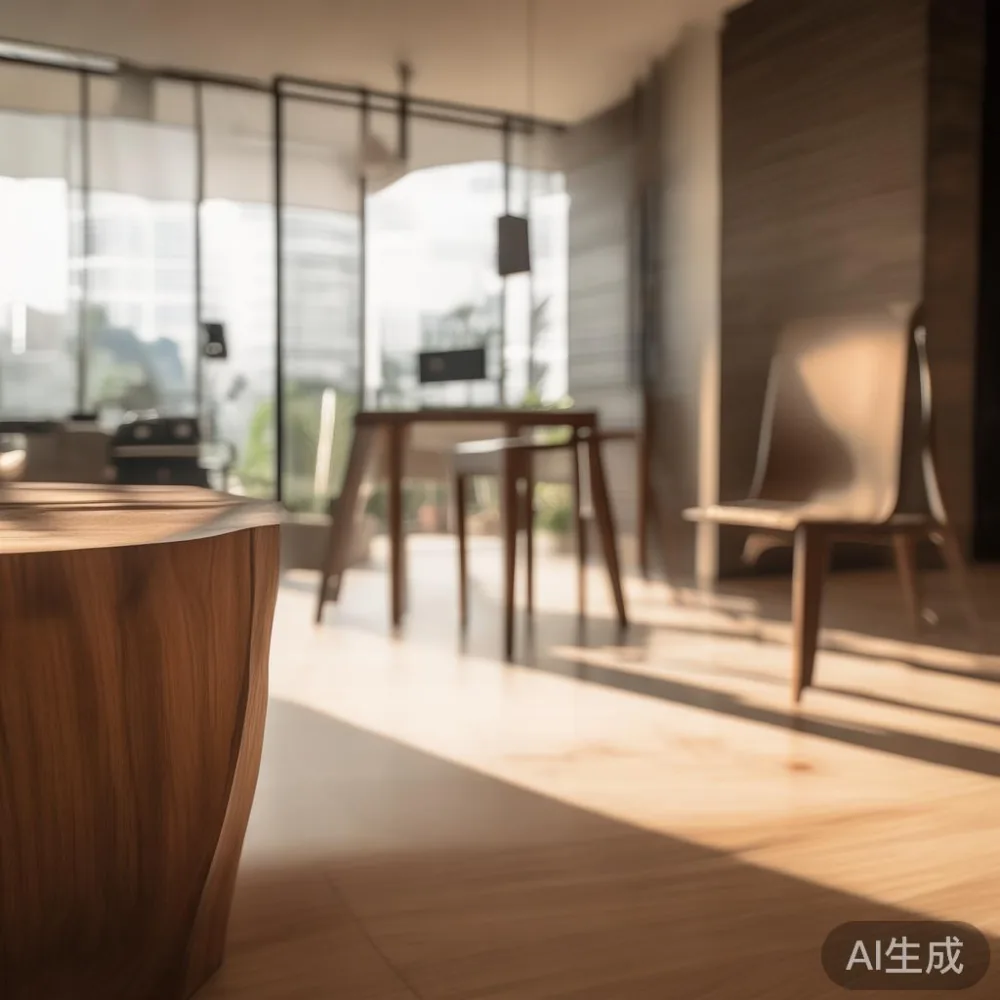
This guide explains what drives the price without treating one material as automatically superior. It also considers the constraints of Singapore homes: 900 mm lift doors, narrow corridors, stair access, floor plans with limited storage and the 9% GST shown at checkout. MIDHILL has manufactured solid wood furniture since 2008, with production standards shaped by 10 years of structural coverage and a lifetime refinishing service for eligible pieces.
Is solid wood always more expensive than engineered wood?
Not always. Solid wood is priced by the volume and grade of the timber used, while engineered panels can be highly efficient because thin veneers cover a larger area with less core material. The answer depends on the product, not merely the label.
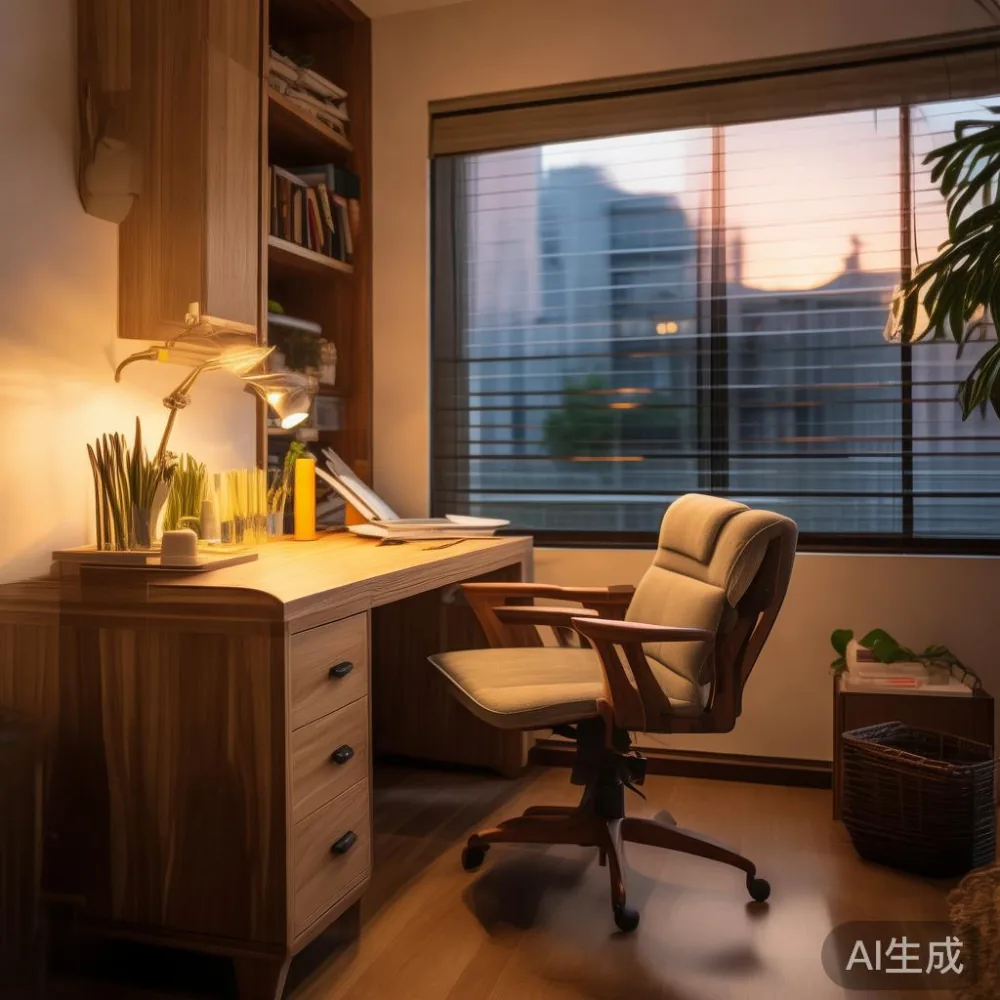
A solid wood bed frame might use 35–45 kg of timber, depending on whether the headboard is slatted, panelled or upholstered. An engineered bed frame with a veneered headboard may use considerably less wood but still include plywood or particleboard below the visible surfaces. The same principle applies to wardrobes: a 180 cm model may contain 6–9 timber components and 4–6 doors, whereas a compact 120 cm model may require only 2–3 doors.
The misleading comparison is between two products with different specifications. Check whether the price includes solid timber side panels, drawer boxes, backs and internal shelves, or only selected visible parts. A 200 cm wardrobe at SGD 1,880 that specifies solid wood carcasses may be better constructed than a 220 cm unit at SGD 1,280 that uses engineered panels throughout, although the latter is not automatically poor.
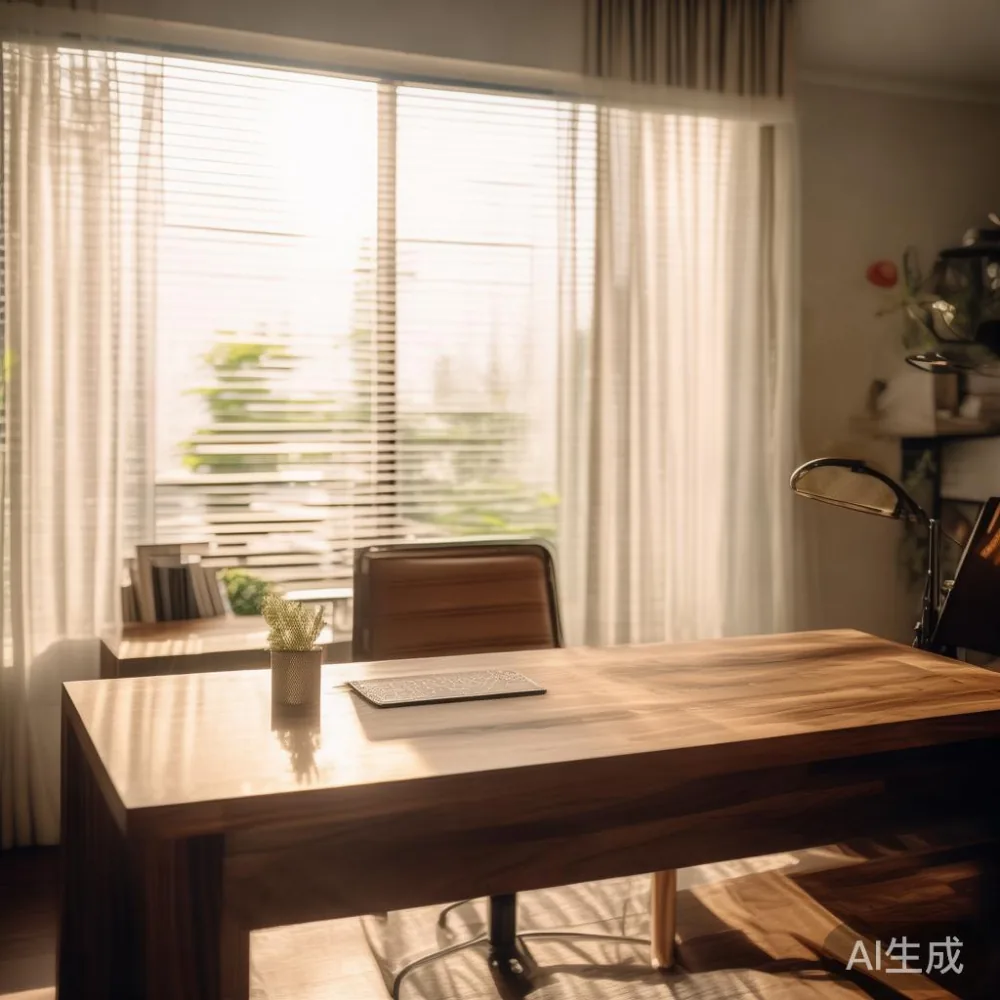
Density also changes the bill. A 200 cm dining table using 45 kg of dense hardwood requires more raw timber, slower drying and machining than a similar table using 28 kg of softer clear-grade timber. Narrow timber is also harder to source consistently, and defects cannot always be hidden in curved edges or sculpted joints. Longer boards command more because they reduce waste when cutting broad tabletops.
For buyers comparing showroom photographs, request a component list. Ask whether the dining table seats six with a 90 cm side, the wardrobe includes adjustable shelves, and the nightstand uses a solid wood drawer box rather than a veneer-faced fibreboard box. Clear specifications prevent a low headline price from becoming an expensive compromise later.
How do timber species and grades affect the price?
Timber accounts for a large share of the material cost in a solid wood sofa frame, bed frame, dining table, wardrobe or nightstand. Species bring different working properties, appearances and market prices. Teak is valued for stability and resistance to moisture, oak shows pronounced grain, ash is lighter and easier to machine, and rubberwood is commonly used where affordability and a warm appearance matter.
“Solid wood” does not specify one species. A 210 cm solid oak dining table with a 28 mm top may retail around SGD 1,680–2,480, while a comparable teak version may be SGD 2,050–3,100. These ranges describe normal specification changes, not a universal price list. Grade then affects the surface: clearer boards reduce knots, sapwood streaks and mineral marks, while character grades retain more natural variation.
Warmer colours are not evidence of higher quality. Some suppliers treat lighter wood to create a French light luxury look, while others use darker walnut-toned finishes for an American light luxury interior. Post-modern light luxury often combines pale timber, slim profiles and stone or marble accents. The finish may change the visual mood without changing the structural specification.
Wood should be conditioned for Singapore’s humidity. Properly dried timber normally measures around 8–12% moisture content for indoor furniture. Rapid movement between a dry air-conditioned bedroom and a corridor exposed to humidity can create checking, bowing or joint movement. Responsible drying takes time and space, so a price that seems high may include controlled kiln drying, stress relief and quality inspection.
Last month I visited a Foshan furniture workshop and watched a dining table top being checked after machining. The production manager rejected one board because the bow exceeded the workshop’s tolerance. That rejection matters: fixing a warped top is slower and more wasteful than buying another board immediately. The cost of quality control appears in the final price.
Why do joinery and construction cost more than appearance?
The strongest price differences often sit inside the furniture. A mortise-and-tenon dining table uses interlocking timber geometry, while a dowelled or factory-cut joint may take less time. A bed frame with a mortised corner and a reinforced centre rail will generally cost more than one assembled only with short screws into particleboard blocks.
Drawers are a useful example. A quality nightstand may have a 12–15 mm solid wood drawer box, dovetail-style joints and a full-extension runner rated for 25–35 kg. The drawer front may look identical to a cheaper front, but the hidden box, runner and fixing method determine whether it stays aligned after 2 years or 8 years.
Backs, rails and supports should not be treated as leftovers. For a 180 cm wardrobe, an 8–10 mm solid timber back can add stiffness, but only if the panels are appropriately spaced. Thin flat packs may save material while requiring more hardware. A solid wood bed frame may use a centre support leg, while a wide 200 cm model needs at least 2–3 additional support points to prevent sagging.
Finishing also has a price. Hand-sanded surfaces with a water-based coating may require 5–7 preparation stages. Open-pore finishes can enhance oak or ash grain but are harder to repair than some sealed surfaces. A marble table adds another layer of risk: a 120 cm top may weigh 55–85 kg, and the cabinet below must be engineered to carry that load. Marble does not automatically make furniture more durable; it changes weight, handling and installation requirements.
Ask for the timber thickness, joint method, drawer construction and hardware brand in writing. A 10-year structural warranty is useful only when the covered components and expected use are defined.
How should Singapore buyers measure delivery and installation?
Delivery can be a substantial part of the price, especially outside a central showroom area. A standard delivery in Singapore may take 5–10 working days after production, while a made-to-order dining table or wardrobe can take 30–60 days. Custom sizing adds another 7–21 days depending on the current production queue.
Measure the route before ordering. Many HDB lift doors are approximately 800–900 mm wide, and some older blocks have narrower openings. A 200 cm solid wood dining table cannot turn through a 900 mm lift lobby unless it is angled carefully; a flat-pack format is usually easier to move. Check the corridor width, staircase turns, ceiling height and the door swing at the final delivery point.
For a condo, the management rules may require a loading-bay booking or moving-in fee. That could add SGD 50–250 and affect the delivery window. If the building does not provide a lift, the furniture may need to be carried up by a crew, and the final staircase quotation can vary with the number of flights.
White-glove delivery should state what it includes: carrying to the unit, unpacking, assembly, packaging removal or simply curbside handover. A sofa compressed for transport may need 10–15 minutes to restore its shape and another 24–72 hours for foam to settle fully. A 220 cm wardrobe can take 2–4 hours to assemble and may require 2 installers.
Singapore purchases normally show 9% GST. For example, a SGD 1,680 dining table becomes SGD 1,831.20 after GST. MIDHILL offers free shipping for orders above US$350, but the threshold is denominated in US dollars rather than SGD, so Singapore buyers should confirm the converted checkout amount and local delivery terms before paying. A 14-day return period also needs clear conditions for made-to-order items and freight damage.
What should I pay for a solid wood work from home setup?
Budget according to the function, footprint and construction. A 140 cm solid wood desk may cost SGD 620–1,280; a 160 cm version with cable management, a drawer and stronger hardware may reach SGD 1,580. A solid wood sofa in a 3-seat configuration may range from SGD 1,880 to SGD 4,200, with fabric, foam density and frame engineering driving the spread.
For a 180 cm bed frame with a slatted or upholstered headboard, expect roughly SGD 1,180–2,650. A solid wood wardrobe with 4 doors, adjustable shelves and drawer modules may range from SGD 2,180 to SGD 5,400. A 45 cm nightstand may sit around SGD 320–780. These figures are planning ranges, not quotations; dimensions and finish can shift them substantially.
Work from home furniture should be measured around the user, not only the room. A desk 140 cm wide gives 70 cm per person, while 160 cm allows a wider monitor arrangement. A chair needs approximately 90 cm of pull-back space. A bed frame with a 220 cm headboard may project 5–8 cm beyond the mattress, affecting a narrow corridor bedroom.
Storage planning matters in flats. If you are researching the best light luxury wardrobe for 2026, compare internal usable space, not only the external width. A 180 cm unit that offers six hanging sections may outperform a 200 cm unit dominated by fixed shelves. For a separate dressing room or bedroom, a guide to how to choose Italian light luxury wardrobe can help distinguish aligned doors, fine hardware and internal fittings from purely decorative styling.
For bedroom design, Mid-century modern for bedroom layouts often favour tapered legs, clean lines and lighter visual weight. A 160 cm platform bed with a 35 cm headboard works well where corridor clearance is limited. If an American sofa has to function in the bedroom, the question of how to style American sofa in bedroom calls for a compact 160–180 cm width, restrained bedding and a clear 60–75 cm side route. Similarly, how to style Japanese bed in room decisions usually begin with a low platform frame, measured floor gaps and enough clearance to sit on the edge.
How can I compare French light luxury, American light luxury and post-modern light luxury?
Style affects material selection, finishes and perceived value, but not every visual detail requires expensive timber. French light luxury typically uses pale oak or ash, delicate profiles, curved edges and understated fabrics. American light luxury tends toward generous proportions, deep cushions and substantial wood details. Post-modern light luxury mixes geometric forms, contrasting finishes and occasional stone accents.
For compact HDB and condo interiors, Scandinavian for small living room planning can be more practical than copying a large showroom composition. Pale finishes reflect light, while a 150–180 cm sofa, 110–130 cm dining table and 40 cm nightstand can preserve a 60–90 cm circulation route. The material should still meet the job: a solid wood dining table needs a stable base and suitable top thickness, not just a pale surface.
The cost difference may come from labour. A hand-rounded solid wood dining table edge can add SGD 180–450 compared with a squared edge. A marble table may add SGD 450–1,200 over a timber version because of the slab, reinforcement and heavier packing. Upholstery is another major variable; performance fabric with higher abrasion resistance can cost SGD 120–400 per seating section.
Compare samples under the room’s actual lighting. Warm 2700K bulbs can make pale timber look yellow, while cool 4000K lighting may exaggerate grain. Keep a 100–150 mm gap between large furniture and curtains, and check that cabinet doors can open without hitting a desk chair or air-conditioning outlet.
What price information should be included before payment?
A useful quotation should state the external dimensions, primary timber species, board thickness, finish, hardware, load assumptions, delivery time, installation, GST and return terms. It should also identify which surfaces are solid wood. If a wardrobe includes a marble top, request the slab thickness and cabinet reinforcement details. If a dining table seats 6, give the clear seating width and table height.
For a Singapore home, photographed measurement can prevent costly access problems. Send the supplier a 20–30 second video showing the lift door, corridor turns and destination doorway. Ask them to confirm the packaged dimensions, estimated assembly time and number of installers. This is particularly important for a 2.4 m wardrobe, a 2.1 m dining table or a marble coffee table whose packaging may exceed the lift’s diagonal clearance.
Owners should retain care instructions. Solid timber can move slightly as humidity changes, so wipe surfaces with a damp cloth and avoid leaving standing water for more than 10 minutes. Use coasters and felt pads under heavy decorative objects. Refinishing is not the same as replacing damaged structural components, so confirm what the lifetime refinishing service covers and whether transport is chargeable.
The central lesson is straightforward: price reflects the specified timber, the hidden construction, the finish, the weight and the route to your door. It also reflects the supplier’s accountability after delivery. Compare like-for-like specifications, measure the work from home zone and treat a clear warranty as part of the furniture’s value rather than an extra.