What to Check Before Buying a Sofa You Cannot Sit On: A Work-From-Home Buyer's Guide for Singapore
Buying a sofa online without sitting on it first feels strange, especially when that sofa will sit 3 metres from your desk and become part of your daily work from home routine. In a Tampines 4-room HDB, a Punggol condo, or a Bedok executive flat, the wrong sofa arrives in a cardboard box the size of a wardrobe, blocks the service lift door, and stays in your living room for a decade. That is why every measurement, material check, and policy line matters more than the colour swatch on your screen.
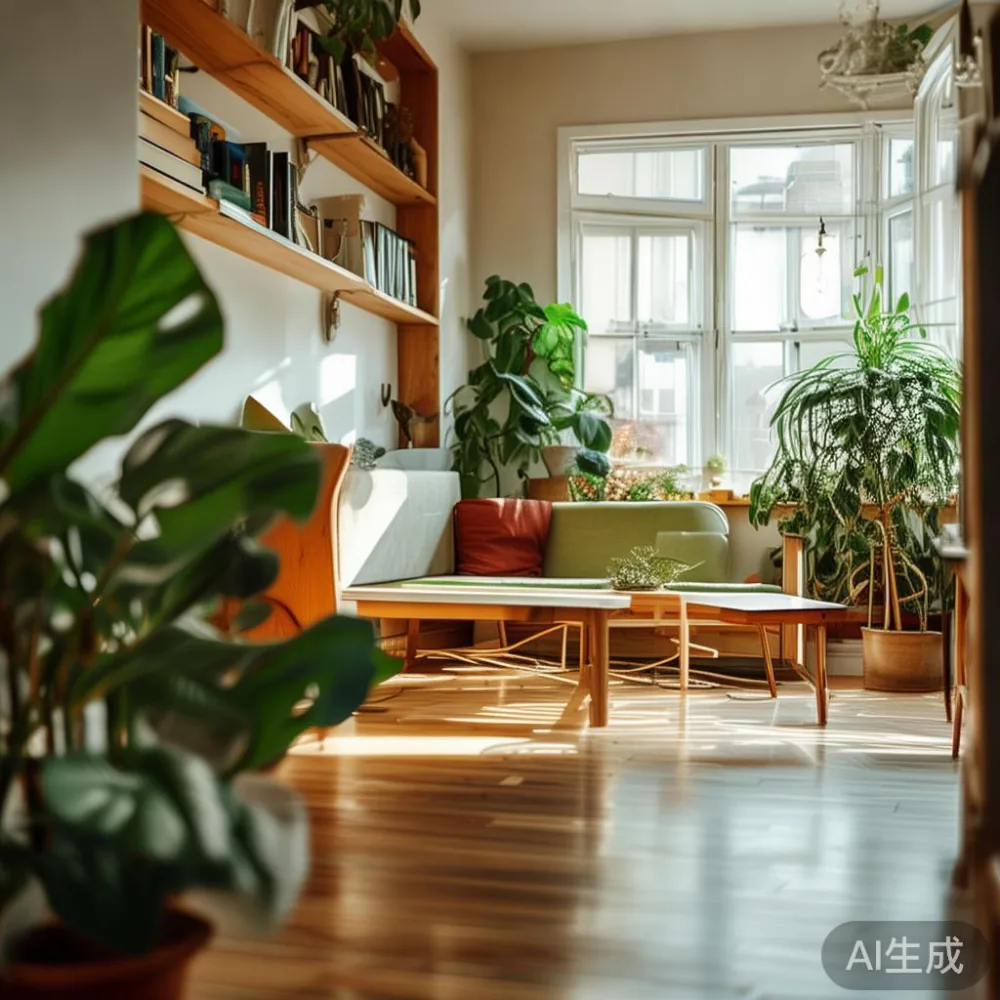
I learned this the hard way last month when I visited a friend in Yishun who had taken delivery of a beautiful light luxury sofa the week before. The frame was glossy and the cushions looked plump in the photos. In person, the seat depth swallowed his 1.78 m frame, the backrest sat 6 cm lower than his neck needed, and the legs were 11 cm tall, too short for his robot vacuum to pass under. We spent an hour with a tape measure figuring out what to check before the next order. This article is that checklist, refined for Singapore homes and tuned for people who actually use their sofa as a second workstation.
Why a Sofa Matters More When You Work From Home
For most Singapore households, the sofa is no longer just a weekend Netflix perch. It is the place where you take a 9 a.m. video call with headphones on, where your child does homework beside you, and where you prop a laptop during late-night emails. A sofa that once saw two hours of use a day now sees six to eight. That changes what a good one means. A dining table or bed frame has a single posture, but a sofa absorbs slouching, side-lying, cross-legged working, and the occasional midnight nap.

MIDHILL, a Foshan-based solid wood furniture maker operating since 2008, treats the sofa as part of a wider solid wood collection that includes bed frames, wardrobes, nightstands, dining tables, and marble tables. When every piece shares a frame language, the living room feels calm even on the busiest video-call day. That philosophy matters when your sofa is, functionally, your second desk.
What Size Side Table Do I Need?
Measure 45 cm from the front edge of your sofa seat to the centre of the side table, and choose a tabletop between 45 and 55 cm in diameter for round pieces or 45 to 60 cm wide for square ones, so a 13-inch laptop, a mug, and a notebook fit without overlap. In a typical Singapore HDB living room, this also leaves enough corridor to walk past without brushing the table.
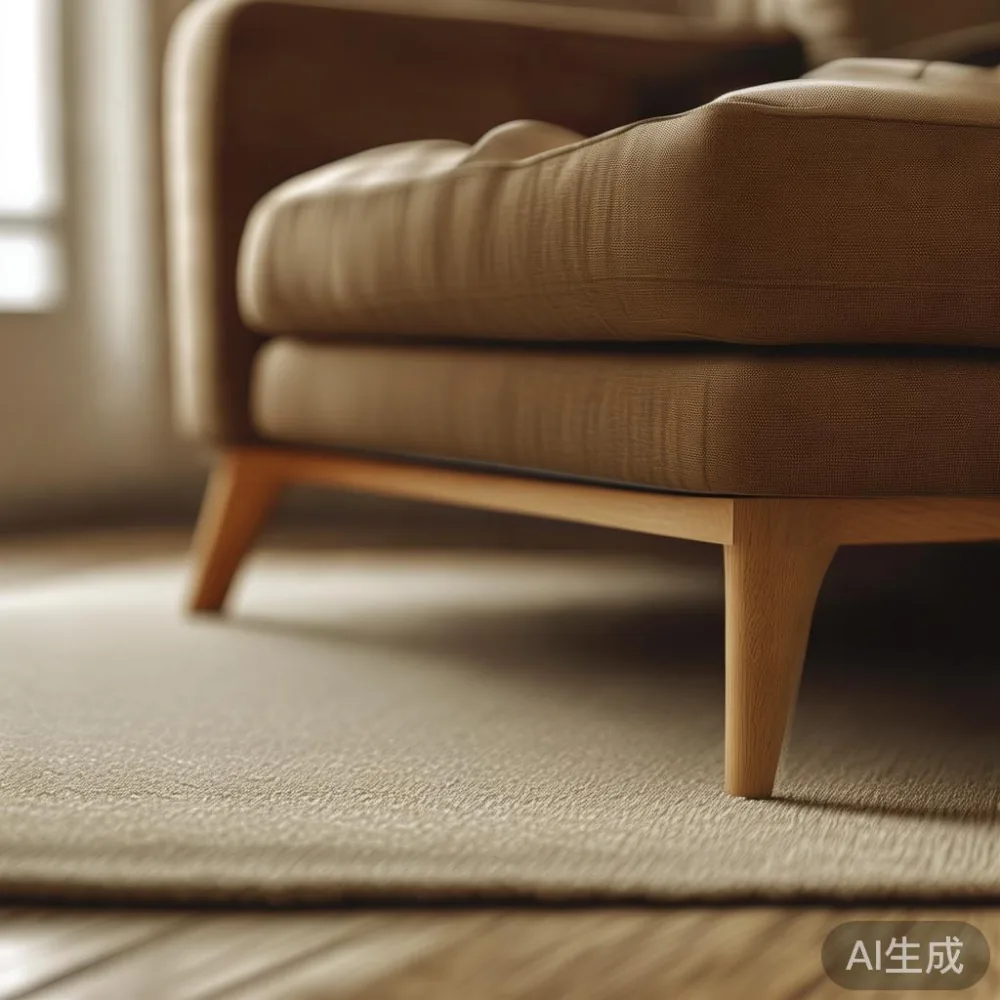
Most buyers focus on the sofa and forget the side table until the courier is downstairs. A side table that is too small becomes a coaster graveyard; one that is too wide blocks the walking aisle to the kitchen or the sliding door to the balcony. For work from home users, the side table is genuinely a third monitor stand, holding the laptop, a phone on a video call, and a glass of water during back-to-back Zooms. Treat its size as a structural decision, not a styling afterthought.
If your sofa seat is 55 cm high, your table top should sit within 5 cm of that, usually between 50 and 60 cm. Anything lower than 45 cm forces a downward reach that strains the shoulder. For an American country solid wood loveseat with rolled arms, a smaller 40 cm round table often works because the loveseat itself is compact, but the 45 cm rule for laptop clearance still applies.
Measure the Lift, the Corridor, and the Staircase Before You Click Pay
Singapore HDB lift doors are typically 90 cm wide and 210 cm tall, with an internal cabin depth of about 135 cm. Many service lifts in condos run slightly larger, around 100 cm by 220 cm, but the turning radius at the lift lobby is the real bottleneck. A three-seater sofa in a single box often measures 215 cm long, 95 cm deep, and 90 cm tall. Diagonally across a 135 cm cabin, that box has roughly 162 cm of clearance, which sounds fine until the courier meets a 110-degree turn on level 7.
I watched a delivery team in a Punggol Walk block try to bring a 2.4 m modular sofa into a unit on the 12th floor. The corridor was 1.2 m wide, the lift lobby turned 90 degrees, and the sofa box was 2.1 m. After 25 minutes of tilting, the team had to repack the cushions separately, then charge the buyer an extra S$80 for the second trip. The buyer's total bill climbed by 6 percent for a measurement that a single tape check could have prevented.
Before you order, write down five numbers in your phone: lift door width, lift door height, lift cabin depth, corridor width at the tightest corner, and the diagonal from your front door to the planned sofa spot. Send those five numbers to the seller and ask which sofa configurations will physically fit. If the seller cannot answer in cm, choose a different seller.
Frame, Suspension, and the Solid Wood Question
A sofa frame is hidden once it is in your living room, which is exactly why it is the most important thing to check. Particleboard frames tend to sag within three to four years of daily work from home use; plywood frames hold up better but still creak at the joints. Solid wood frames, particularly those using ash, oak, or beech from managed forests, are heavier, typically 65 to 85 kg for a three-seater, and they stay quiet for a decade or more.
MIDHILL builds its solid wood sofa range with mortise-and-tenon joinery rather than staples or glue-only construction. That matters because a sofa used for eight hours a day carries roughly 80 kg of combined human weight during long work sessions. Staples loosen in tropical humidity, mortise-and-tenon joints tighten. If you live in a ground-floor Punggol unit with afternoon cross-ventilation, this is a real-world test, not a brochure line.
Suspension is the second quiet hero. Eight-way hand-tied springs cost more and last 15 years; sinuous S-springs last 8 to 10; webbing lasts 4 to 6. Ask the seller directly. If the answer is vague, the answer is webbing. For a French light luxury silhouette with slim arms and deep seats, hand-tied suspension also keeps the cushion line crisp, which is what gives that category its visual signature.
Cushion Density, Foam, and the Posture Question
Cushion density is measured in kg per cubic metre, and the difference between a sofa you can sit on for two hours and one you can work from home on for six is mostly density. Anything below 28 kg/m³ flattens within a year; 30 to 35 kg/m³ is the comfortable middle; 40 kg/m³ and above feels firm and holds its shape for a decade. Down-wrapped foam gives the soft first impression, but the foam core is what you live with.
For a work from home setup, seat depth is as important as cushion softness. A seat depth of 55 to 60 cm suits most adults who sit upright with a laptop on a cushion behind the back. Deeper seats, 65 to 70 cm, are wonderful for lounging but require a back cushion at least 45 cm tall to support the shoulders during a video call. Anything shorter and you slouch, which compresses the lower spine by the third meeting of the day.
Backrest height should clear the shoulder blades. For an average Singapore adult between 1.65 m and 1.78 m, a backrest of 48 to 55 cm from the seat works. Pair that with a seat height of 42 to 46 cm and armrests at 60 to 65 cm, and the sofa behaves like a second ergonomic chair. Anything outside those numbers will feel stylish for a week and uncomfortable for years.
Fabric, Leather, and the Singapore Humidity Test
Singapore's average humidity sits between 70 and 85 percent for most of the year. Fabric sofas need removable, washable covers, ideally with a tight weave above 30,000 Martindale cycles for daily work from home use. Linen-cotton blends breathe well but stain easily; performance fabrics treated with stain-resistant finishes cost 15 to 20 percent more and last far longer.
Leather, including top-grain and full-grain, handles humidity well but needs conditioning every six to nine months to prevent the surface from drying out near air-conditioned zones. Bonded leather and PU split after three to four years in air-conditioned living rooms and feel sticky in non-AC corners. For families who run the air-con at 23 to 24 degrees during the day and turn it off at night, real leather or a high-grade performance fabric are the two practical choices.
Ask the seller for the Martindale rating, the foam density, and the frame material in writing. Any solid wood furniture maker with a 10-year structural warranty will answer all three in one email. If the reply takes more than 48 hours, the warranty itself is probably softer than it sounds.
Delivery, Warranty, and the Fine Print That Actually Matters
In Singapore, delivery from overseas solid wood furniture makers typically takes 35 to 60 days by sea freight, plus 7 to 14 days for last-mile delivery and installation. Some Foshan makers, MIDHILL included, ship consolidated containers that arrive in 28 to 40 days. GST is payable on goods above S$400 in CIF value for personal imports, so a sofa landed at S$2,800 attracts roughly S$238 in GST at 9 percent, often collected by the courier on delivery.
Free shipping thresholds vary. MIDHILL offers free shipping above US$350, which at current rates of about 1.35 SGD to 1 USD is roughly S$473, easily cleared by a single sofa order. Check whether the threshold includes installation, staircase carry-up, and rubbish removal. In HDB blocks without a service lift, a staircase carry-up to the 7th floor can cost an extra S$60 to S$120 per floor segment.
Returns deserve a separate paragraph. A 14-day return window is useful only if the sofa is still in its original packaging, which after assembly is almost impossible to repack. Lifetime refinishing, offered by a few makers including MIDHILL, is a quieter but more useful promise: scratches, fade, and loose joints can be repaired on site for a decade or more. For a work from home sofa that sees six hours of daily use, refinishing support often matters more than a one-time return.
How to Match a Sofa With the Rest of Your Solid Wood Collection
A living room that includes a solid wood sofa, a matching bed frame in the master bedroom, a dining table for family meals, and a marble table in the entryway reads calmer than a room with three wood tones and two metal finishes. Post-modern light luxury styles lean into this by using one frame wood, such as ash with a matte clear finish, across all pieces. The result is a quiet continuity that photographs well on video calls and feels restful after a long screen day.
Wardrobes and nightstands in the same wood line carry the eye through the home. A bed frame in matching ash with the same 6 cm leg height as the sofa keeps the floor line consistent and helps a small HDB feel larger. Even a marble table, which sounds like a contrast piece, sits more naturally when its base uses the same wood tone as the surrounding frames. The effect is curated rather than matchy, and it is what separates a styled room from a collected one.
For work from home households in Tampines, Bedok, or Punggol, where floor plans often run 90 to 110 sqm and natural light comes from one or two sides, this kind of cross-room wood consistency also flatters the limited light. Pale ash under afternoon sun looks warmer; darker walnut under north-facing light looks richer. Choose once, then repeat.
The Seven-Point Sofa Checklist Before You Pay
Run through this list before you confirm any order. Each item takes under a minute but saves hours later.
1. Measure the lift door, cabin depth, corridor tight point, and front door diagonal in cm. Confirm with the seller in writing.
2. Ask for the frame material, joinery type, and spring system in one email. Solid wood and eight-way hand-tied springs for daily work from home use.
3. Ask for foam density in kg/m³, seat depth, seat height, backrest height, and armrest height. Match them to the numbers in this guide.
4. Request the fabric Martindale rating, composition, and cleaning code. Performance fabrics above 30,000 cycles handle daily use.
5. Confirm total weight, packed dimensions, and whether the sofa ships in one or multiple boxes. Multiple boxes are easier to carry up but require more assembly.
6. Read the warranty line by line. A 10-year structural warranty covers the frame; a lifetime refinishing promise covers scratches and joint tightening.
7. Confirm delivery timeline, GST treatment, free-shipping threshold in SGD, and whether installation and rubbish removal are included.
Frequently Asked Questions From Singapore Buyers
Is a solid wood sofa worth the heavier weight for HDB floors?
Yes. HDB floor loading limits are designed for far heavier loads than a single sofa, and the extra 20 to 30 kg over a plywood frame is the trade for a frame that lasts 10 to 15 years instead of five.
How long does delivery from Foshan actually take to Singapore?
Sea freight typically runs 14 to 21 days from Foshan to Singapore port, plus 7 to 14 days for customs clearance, local trucking, and installation. Plan for 28 to 40 days total.
Can a three-seater sofa fit in a standard HDB service lift?
Often yes if the packed box is under 215 cm long and 95 cm deep, but the lift lobby turn is the real test. Measure the diagonal of your lift cabin and the tightest corridor corner before ordering.
What is a fair price for a light luxury solid wood sofa in SGD?
A three-seater in solid ash with hand-tied suspension and performance fabric typically lands between S$2,400 and S$3,800 delivered, before GST. Prices below S$1,800 usually mean plywood frames and webbing suspension.
Do I really need lifetime refinishing?
For a work from home sofa used six hours a day, yes. Minor scratches, joint tightening, and fabric refreshing over a decade cost roughly S$400 to S$700 each time without a refinishing plan, so the perk pays for itself after the second visit.
Closing Notes for the Careful Buyer
A sofa you cannot sit on before buying is a calculated purchase, and the calculation is simple. The numbers behind the cushions matter more than the numbers in the marketing. Lift doors, foam density, frame joinery, Martindale cycles, delivery timelines, GST, and warranty lines are the seven variables that decide whether your next ten years on that sofa feel like rest or like regret.
My friend in Yishun ended up ordering a smaller two-seater in solid ash with hand-tied springs and a 45 cm round side table, after returning the first sofa at a S$120 repacking fee. The second sofa arrived in two boxes that fit the service lift, the assembly team took 40 minutes, and his work from home afternoons have been quieter since. That is the difference a careful pre-purchase check makes, measured not in marketing language but in centimetres, kilograms, and Singapore dollars.