How Humidity in Southeast Asia Affects Wood Furniture in Singapore Homes
Singapore’s tropical climate can change the dimensions, joints, and finish of solid wood furniture even inside an air-conditioned flat. In many HDB homes and condos around Tampines, Bedok, and Punggol, the practical challenge is not simply rain outside. It is the difference between humid corridor air, conditioned living space, and furniture placed beside a window, air-conditioning vent, or balcony door. Understanding that cycle helps a family protect a solid wood sofa, bed frame, dining table, wardrobe, nightstand, or marble table while preserving a calm work from home environment.
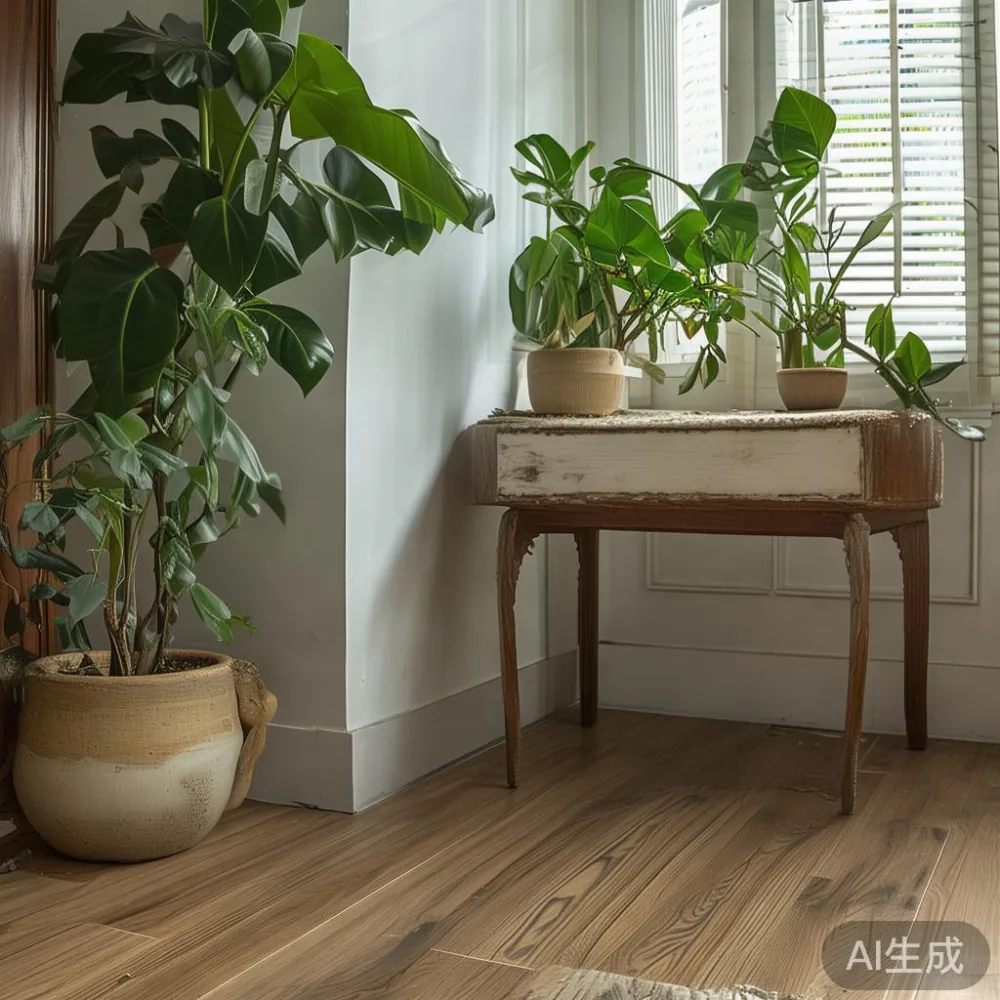
This guide uses Singapore conditions as the starting point: approximately 80% average relative humidity outdoors, frequent overnight readings above 85%, and indoor readings that may remain near 70% when doors are opened during showers. Exact readings vary by weather and building, but a small hygrometer is inexpensive and useful. A reading below 70% gives most solid wood furniture a comfortable margin; sustained readings above 75% deserve attention.
Why Does Humidity Make Solid Wood Furniture Move?
Solid wood is hygroscopic. It absorbs moisture when the surrounding air is humid and loses moisture when the air becomes dry. The movement is small in everyday visual terms, but repeated cycles can stress glue joints, cause seasonal cracking, make doors feel tight, and create tiny gaps along panels. Wood movement is not automatically a defect. A properly made piece should be designed to accommodate dimensional change rather than being sealed as though it never moves.
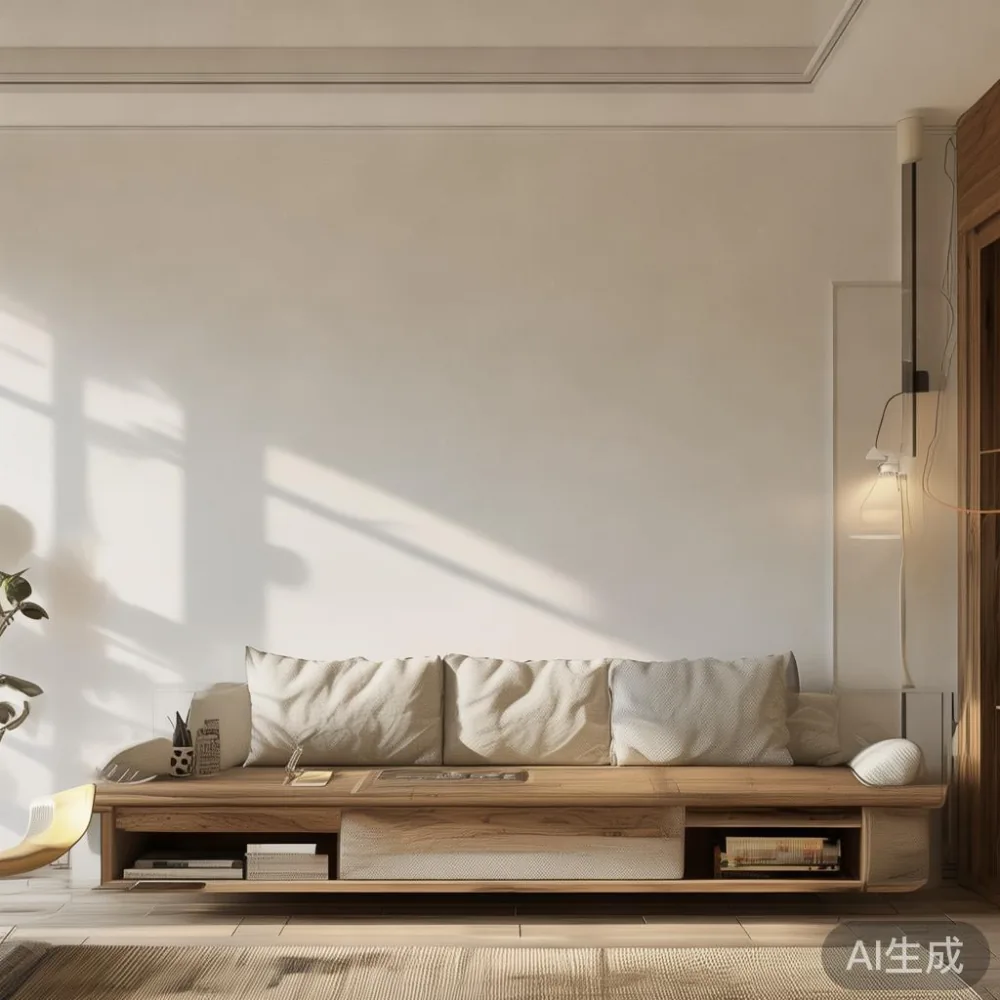
For a work from home setup, the dining table may receive morning humidity while the computer desk sits under a dehumidifier. The bed frame may be near an air-conditioning outlet, and the wardrobe may face a balcony wall with little sunlight. Those contrasts can create uneven moisture conditions across one home. A relative humidity swing of 15 percentage points over several hours deserves more care than a stable room held between 55% and 70%.
Seasonal timber behaviour also explains why a 210 cm dining table can measure perhaps 2–4 mm differently across its width in wet and dry conditions. Oak, ash, teak, and other species react differently, while engineered components and solid panels can have different movement rates. MIDHILL furniture should be specified with the local indoor environment in mind, including stable room conditions and suitable ventilation.
One simple test is to watch the finish rather than touch the surface alone. Look for haze, tackiness, tiny joint lines, or doors that no longer close evenly. Place a hygrometer near the furniture, not directly against an air vent. Record the reading at 8 a.m. and 8 p.m. for 7 days. This gives a more useful picture than a single reading taken during a dry afternoon.
How Humidity Reaches a Tampines, Bedok, or Punggol Home
Singapore’s humidity enters a home in several ordinary ways. Residents carry damp clothing from bathrooms, open balcony doors during heavy showers, cook without using the kitchen exhaust, dry laundry indoors, and move between air-conditioned and non-air-conditioned corridors. The result is moisture moving through air and into materials. Newly renovated HDB flats may also have residual building moisture, especially in the first 1–3 months.
Corridors and lifts deserve attention when furniture is delivered. A lift lobby may be sheltered but close to outside air, while a narrow corridor can slow ventilation. During delivery, keep solid wood pieces wrapped for the shortest practical period. Avoid leaving a wardrobe or bed frame unopened beside a damp wall. Allow the package to acclimatise inside the flat for 24–48 hours before unwrapping, particularly after a rainy afternoon.
For a condo, a north-facing balcony or an exterior wall can remain cool and damp for hours. A sofa placed against that wall should have a 5–8 cm ventilation gap. A bed frame should sit at least 30 cm from curtains that touch the floor. For a dining table, keep it away from the balcony door and leave 20–30 cm between the table edge and the wall where circulation allows.
Work from home spaces need a balanced approach. A desk should not be pushed into a wet corner, but a bedroom wardrobe should not block the air-conditioning circulation. If the room is maintained near 55–70% relative humidity, the furniture will experience less stress. A compact USB hygrometer, often priced around SGD 10–25, can support that routine without redesigning the room.
What Humidity Does to Couches, Beds, Wardrobes, and Marble Tables?
A solid wood sofa needs two protections: stable timber behaviour and upholstery that can breathe. Cushion covers should be removable and washable where possible. Foam density and the support platform matter, but airflow beneath the sofa is equally important. Leave 8–12 cm behind a low-backed sofa and 5–8 cm beneath legs or a plinth. Do not stack folded blankets against the back panel for hours after showering.
A bed frame expands slightly along its rails and headboard. Check that the mattress can move independently, and avoid pressing the frame tightly against a cold wall. In a humid room, inspect the lowest drawer or storage compartment every 2–4 weeks. A nightstand should sit on a level surface, with coasters under drinks and enough separation from an open window.
Wardrobes are often the most visible indicator because doors and drawer runners must remain usable. Wipe the exterior after cooking or bathing, inspect the bottom edge for dampness, and keep clothing from touching the back panel. Use the ventilation supplied with the wardrobe rather than closing every opening immediately after laundry dries indoors. A dehumidifier in a small bedroom should be placed with an intake clearance of at least 20 cm and an outlet aimed away from timber surfaces.
A marble table is less vulnerable to moisture-related dimensional movement than wood, although humidity can still affect the sealant, adhesive beneath a top, and surrounding metal fittings. A European light luxury accent chair may include wood legs and upholstered surfaces, so its humidity needs should be treated like those of a small upholstered chair, not judged from the fabric colour alone. For any marble table, use a stable support and avoid leaving wet coasters, plants, or fruit bowls on the surface.
How Should You Style a French Sofa in a Humid HDB Flat?
When planning how to style French sofa in room, think about air movement before visual composition. A pale French-inspired sofa works well in a light-luxury scheme, but light fabric shows dust, damp marks, and mould stains sooner than a darker textile. Place the sofa 10–15 cm from curtains and use washable covers if the room regularly reaches 75% humidity. Add cotton or linen throws that can be removed for drying, rather than leaving several thick textiles against the base.
French light luxury can suit a compact Singapore living room without making the room feel crowded. A 180–210 cm sofa is comfortable for 2–3 people, while a 230 cm version needs at least 80 cm of clear circulation in front and adequate corridor access. Pair it with one 40–45 cm side table, a slim floor lamp, and curtains that stop 2–3 cm above the floor. The gap prevents moisture from being trapped beneath the fabric.
The same principle applies to a home office. A French sofa in the living room may serve as a reading seat during work from home, while a solid wood desk remains beside the air-conditioned wall. Keep the sofa out of the desk’s direct airflow so that one side does not become too dry while the rest of the room remains humid.
Which Wood and Finish Choices Are More Practical in Singapore?
Species choice helps, but installation and maintenance have a larger effect. Teak has a reputation for weather resistance because of its natural oils, yet indoor furniture still needs controlled humidity. Oak and ash provide a clear grain and attractive movement lines; they are suitable for a home when finishes are maintained. Walnut and similar darker timbers can show fingerprints and surface marks, so care instructions matter.
For a modern work from home interior, a post-modern light luxury dining table can work in either solid wood or a carefully selected mixed construction. Ask for the exact timber species, panel thickness, finish type, and expected indoor humidity range. A responsible maker should explain movement rather than promise that solid wood will never change.
Finishes should be selected for the actual room. A matte oil finish may need more attentive care than a tougher sealed finish, while a high-sheen coating can make tiny surface changes more visible. Avoid applying unapproved oils or household waxes. Test any maintenance product on a hidden area and wait 24 hours.
For shopping inspiration, a top 10 Vintage furniture guide can be useful for understanding rails, turned legs, and older joinery, but vintage pieces may already have absorbed decades of moisture. Inspect old furniture in daylight, check beneath the back panel, and avoid placing a fragile antique wardrobe beside a damp exterior wall.
MIDHILL offers a 10-year structural warranty and lifetime refinishing, which makes long-term care easier to plan. Its solid wood sofa, bed frame, dining table, wardrobe, nightstand, and marble table collections can be considered as part of one coordinated home, provided each item is sized for the flat and placed away from persistent dampness.
How Do You Keep Furniture Safe During Monsoon Weeks?
Start with the room. Use air conditioning or a dehumidifier to maintain approximately 55–70% relative humidity. A bedroom may need less intervention than a living room, but a stable reading is preferable to rapid swings. Close balcony doors during heavy rain, run the kitchen exhaust for 15–30 minutes after cooking, and dry towels and laundry outside whenever practical.
Protect the floor. Furniture legs should not sit in standing water from mopping. Use felt pads or suitable protective pads beneath each leg, and inspect them every 3–6 months. Wipe water immediately from a solid wood dining table, especially near a joint. Recheck wardrobe gaps and bed-frame joints after a week of heavy rainfall.
Move deliveries indoors promptly. Singapore delivery routes can be wet, and the time a solid wood bed frame spends in a damp lift lobby should be limited. Check the package before signing if possible, photograph the corners and surface, and remove the outer wrapping only after the furniture has acclimatised. For larger pieces, measure the lift door, lift car, corridor turns, and bedroom doorway before delivery.
Shopping online should include clear policies. A 14-day return period, free shipping over US$350, and a stated structural warranty simplify decisions, though the buyer must measure the route. A 200 cm wide wardrobe may pass the lift but not a tight HDB corridor turn. Ask for a delivery plan with a 1–2 hour arrival window and leave 10–15 cm extra clearance where doors must open.
How Do You Choose a Bed or Chair for a Humid Bedroom?
When comparing European light luxury bed vs Italian light luxury bed, examine humidity performance alongside appearance. A bed with a solid timber frame, adjustable feet, and a ventilated headboard is generally easier to manage than one with many enclosed cavities. Confirm that the slats or support system keeps the mattress 10–15 cm above the floor where possible, and leave space for airflow beneath a storage bed.
Readers searching for the best Post-modern bed for 2026 may focus on clean lines, generous storage, and integrated charging. In Singapore, add a quieter requirement: accessible ventilation and a finish suited to humid indoor conditions. A 150 cm bed may suit a compact bedroom, while a 180 cm bed needs 75–90 cm of free space at one side for drawers, a nightstand, or a chair.
European bed vs Italian light luxury bed is partly a question of construction and proportion, not simply country of origin. Ask which joinery is used, how panels are sealed, whether drawer bottoms are removable, and what maintenance is recommended. The same questions apply when choosing a European light luxury accent chair with wooden legs.
Keep the nightstand at least 15 cm from a window if condensation appears there, and place it away from an air-conditioning outlet blowing directly at the surface. Use a coaster under a humid glass and remove books or paper that could retain moisture. For a work from home bedroom, a small desk should sit where papers and equipment remain dry.
What Questions Should You Ask Before Buying Furniture?
Ask the seller for the timber species, finish, panel construction, and recommended indoor relative humidity. A seller who understands Southeast Asian conditions can explain how a solid wood dining table or wardrobe should be installed. Do not accept vague claims that wood will not move at all.
Ask whether delivery includes carrying, unpacking, and placement. Confirm the dimensions of the lift and corridor, especially in older HDB blocks in Tampines or Bedok. A condo corridor may be wider, but the home entrance, turn, and bedroom door still control the final installation.
Ask how scratches, finish wear, and refinishing are handled. MIDHILL’s lifetime refinishing policy is relevant for long-term ownership, while the 10-year structural warranty addresses construction over time. Confirm what documentation is supplied and keep it with the receipt for 10 years.
What should a family do before the next humid week? Measure the room, buy a hygrometer, identify damp corners, and place furniture where air can circulate. For a larger solid wood sofa, bed frame, wardrobe, dining table, or marble table, obtain a delivery plan and exact measurements. Stable indoor conditions, careful placement, and regular inspection give wood furniture a better chance of remaining structurally sound and visually calm in a Singapore home.