What Nobody Tells You About Delivering and Assembling Work From Home Furniture in a Singapore HDB
I still remember the Saturday morning my colleague tried to carry a flat-pack wardrobe up the lift at her Block 642A Punggol HDB. The carton was 198 cm long, the lift car measured 138 cm deep, and the wardrobe refused to tilt. Two neighbours, three phone calls to the courier, and one abandoned hallway later, the box sat in the lift lobby for four hours before a friend with a cargo van rescued the situation. That single morning taught me more about buying work from home furniture online than any product page ever could. So this article is built around the practical realities Singaporean buyers face when ordering pieces like a solid wood sofa, a bed frame, or a dining table from overseas factories, and how to plan for delivery day before you click pay.
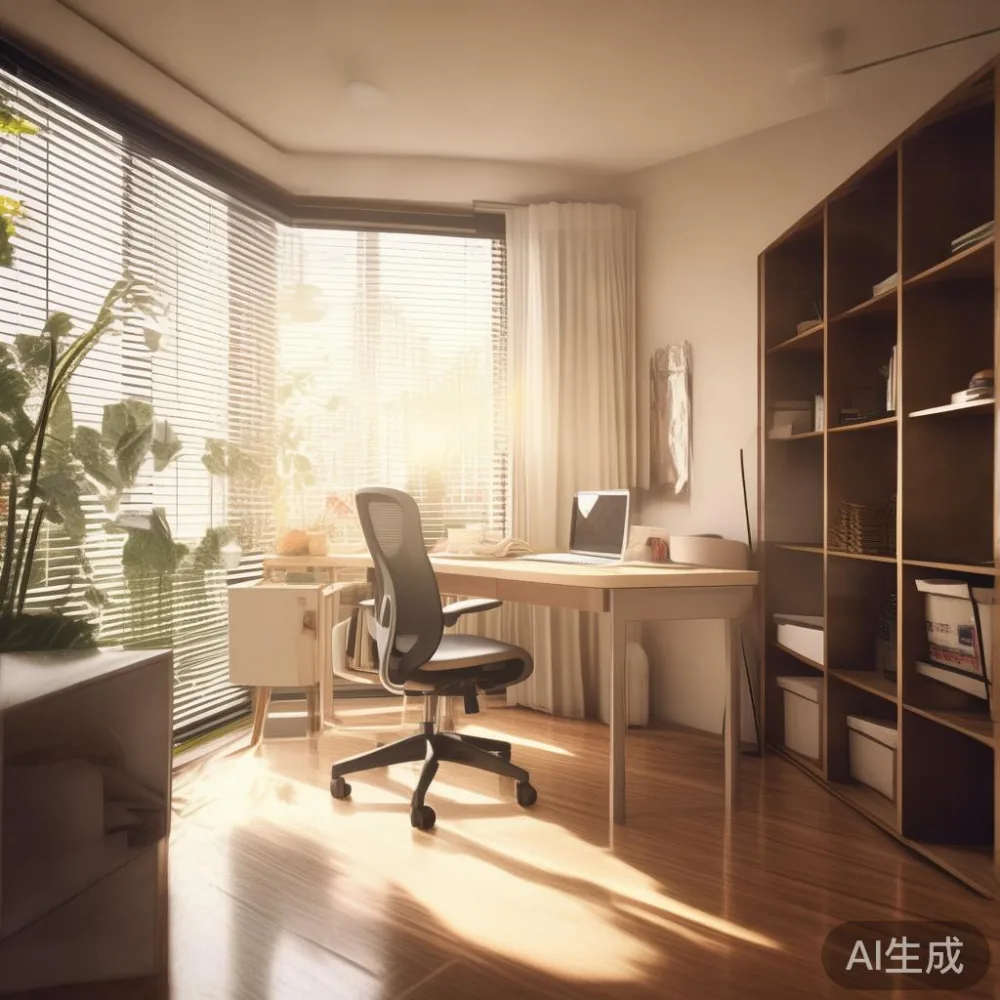
What are the real delivery distances and timelines from Foshan to a Tampines or Bedok address?
Foshan sits roughly 4,000 km from Singapore by sea, and most consolidators quote 18 to 28 working days for LCL (less than container load) shipments, plus 3 to 5 days for local clearance at PSA and another 1 to 3 days for last-mile delivery. After a customer places an order, MIDHILL typically books the next outbound vessel from Nansha or Yantian port, and the goods reach a Jurong East warehouse in around 22 days on average. From there, a lorry delivers to the doorstep at no extra cost above US$350. Add the 9% GST payable on the CIF value plus duty, and you understand why buyers in Punggol, Bedok, and Tampines tend to plan their work from home furniture purchases around project deadlines rather than spontaneous decorating moods.
Air freight is available for urgent orders, but a 280 kg solid wood bed frame shipped by air can add S$1,200 to S$1,800 to the bill, which is rarely worth it for a planned renovation. Sea freight remains the default. When I visited a friend renovating a 4-room HDB in Bedok last month, her furniture consignment from a Chinese maker was on the water for 24 days and arrived within the promised window. The key is to ask the supplier for the booking confirmation and bill of lading number, then track the vessel yourself on MarineTraffic so you are not relying on weekly email updates alone.
Will a solid wood sofa actually fit through my HDB corridor and lift?
This is the question that ruins more deliveries than any other. Standard HDB lift cars in blocks built after 2010 measure roughly 1.6 m deep by 1.4 m wide with a door opening of about 0.9 m, while older blocks around Tampines Street 21 and Bedok Reservoir sometimes have only 1.1 m wide openings. A three-seater solid wood sofa with an upholstered seat can be 210 to 240 cm long and weigh 85 to 110 kg. Even when the carton is broken down, the backrest frame alone can measure 180 x 75 x 35 cm, which is exactly the kind of dimension that blocks a corner on the 7th-floor corridor.
The honest answer is: measure before you order. Tape-measure the lift car depth, the lift door width, every right-angle turn on the way from lift to your unit, and the width of your own front door (usually 0.9 m for HDB, 1.0 m for most condos). Send those numbers to the supplier and ask them to confirm the largest single piece in each carton. Reputable makers such as MIDHILL will reply with a packing list showing each component and its three dimensions. If the largest piece is taller than 1.5 m and your lift door is only 0.9 m, the sofa will simply not fit, no matter how skilled the movers are.
How long does assembly actually take, and what tools do I need?
For a typical work from home setup, expect three categories of assembly. A solid wood bed frame with slats and a headboard takes one person around 90 to 120 minutes, a dining table with four to six legs needs 40 to 60 minutes, and a two-door wardrobe with drawers runs from 3 to 5 hours depending on whether the carcass is pre-assembled. A nightstand is usually a 20-minute job. None of these require specialist tools beyond a hex key (supplied), a Phillips screwdriver, a rubber mallet, and a level.
Two tips from my own assembly session last quarter. First, lay out every part and count the hardware bags against the manual before you start, because a missing cam lock on day one becomes a three-day delay waiting for a replacement. Second, build the item in the room where it will live, not in the hallway, because an assembled 180 x 200 cm bed frame cannot be moved through most HDB doorways without turning it on its side and risking damage to the headboard. The 10-year structural warranty that serious suppliers like MIDHILL offer is meaningless if the frame cracks from being tilted at the wrong angle on the way in.
Is French bed worth it for a small Singapore bedroom, and how does it compare to lighter alternatives?
The question is French bed worth it comes up whenever a buyer falls in love with a carved headboard on a Houzz mood board. A traditional French provincial bed uses heavier carvings, deeper cornices, and richer mahogany or walnut tones. In a 10 sqm HDB bedroom, that visual weight can shrink the room by a full metre of perceived depth. A light luxury bed in the French-inspired style keeps the silhouette and the cabriole legs but uses paler oak or ash finishes and lower headboards around 110 to 125 cm, which lets a 3.5 m ceiling breathe.
For anyone weighing a light luxury bed vs French provincial bed, the practical difference is mostly height and weight. A French provincial frame can weigh 120 kg with a 140 cm headboard, while a light luxury European version sits closer to 75 kg with a 110 cm headboard. Both feel premium; one simply dominates the room. If you want the carving detail without the bulk, a light luxury bed is the smarter fit for Singaporean bedrooms. If you want a true statement piece in a master suite with 2.8 m or higher ceilings, the provincial version still wins.
How to style European light luxury bed in apartment layouts common to Punggol and Sengkang condos?
Working out how to style European light luxury bed in apartment spaces comes down to three rules: keep the side furniture within a 10 cm height band, anchor the bed with a rug that extends 60 cm on each side, and let one hero material carry the room. In a 12 sqm second bedroom in a Punggol Waterway Crescent condo, I styled a 150 x 200 cm European light luxury bed in pale oak with a 200 x 280 cm wool rug in soft greige, two linen-upholstered nightstands at 55 cm height, and a single brass reading lamp. The whole setting cost about S$4,200, including the bed at S$2,650, the rug at S$680, and the nightstands at S$420 each, and the room reads calm rather than crowded.
For smaller rooms, the same rule works with a 120 x 200 cm bed, a 160 x 230 cm rug, and wall-mounted lights instead of nightstands. This is also where understanding how to style European bed in apartment layouts matters: the European silhouette has a low, long headboard, which actually makes a narrow 2.9 m wall look wider than a tall American headboard would. Pair it with a slim 45 cm deep dresser, and you keep the circulation path open for the air-conditioner service panel that most HDB bedrooms hide behind a sliding door.
What about dining tables, marble tables, and the dreaded work from home desk corner?
A dining table for a four-person HDB household is usually 135 to 150 cm long, 80 cm wide, and around 75 cm high, weighing 35 to 55 kg in solid oak or ash. A six-seater version stretches to 180 or 200 cm and can hit 90 kg. A marble table is a different animal: a 140 cm round sintered stone or genuine marble top alone can weigh 70 to 110 kg, and the base often ships in a separate crate. Two people can carry the top with suction cups, but you should never try to lift a marble table solo on a stairwell. Many condo management rules in developments around Bedok Reservoir and Tampines GreenRidgine require marble deliveries to be booked with the concierge 48 hours in advance and to use the service lift only, not the passenger lift.
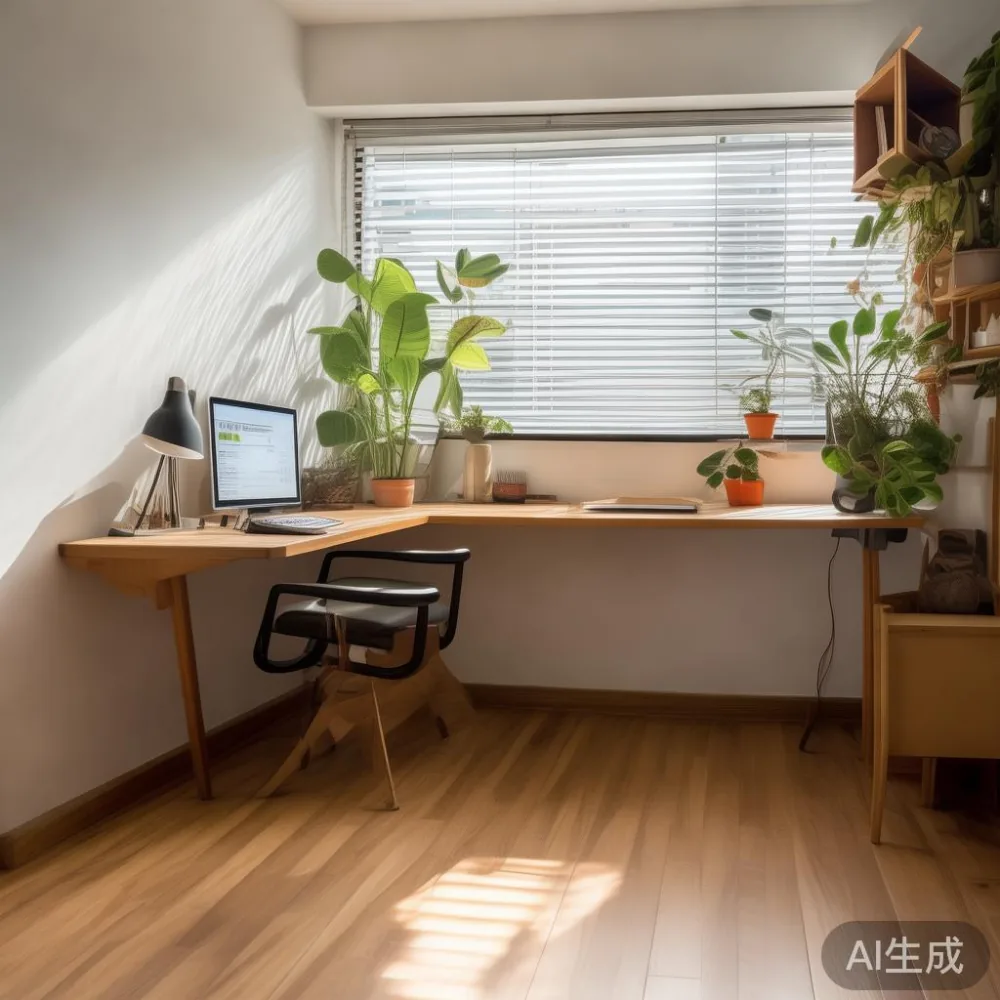
For the actual work from home desk, a 140 x 70 cm solid wood top on black metal legs is the standard Singapore setup, and it weighs 22 to 28 kg, light enough for one person to move. Add a 60 x 40 cm mobile pedestal on casters, a 120 cm monitor shelf, and a cable tray, and you have a proper workstation for under S$900. The challenge is not weight but cable management, so drill the grommet hole before you assemble the legs, not after. Suppliers such as MIDHILL ship desks with pre-cut cable ports on request, and that small detail saves an hour of measuring and a tile of dust on the floor.
What should I check on the invoice, warranty card, and customs paperwork?
Three documents matter for cross-border furniture in Singapore. The commercial invoice must show the unit price, quantity, HS code (9403.60 for wooden furniture, 9403.30 for office desks, 9403.20 for metal furniture), country of origin, and CIF value. The packing list must match the invoice piece-for-piece, because customs will compare them at PSA. The warranty card or certificate should state the structural warranty period in years, what is covered (joints, frame, drawer runners) and what is not (fabric, finish, customer damage). MIDHILL provides a 10-year structural warranty, lifetime refinishing on solid wood surfaces, and a 14-day return window for unused pieces in original cartons, which is unusually generous for the category.
Also check whether the supplier offers a free replacement for missing hardware within 7 days of delivery, and whether they have a local service partner in Singapore. Some makers route warranty claims back to the factory in Foshan, which can take 60 to 90 days including shipping. Others keep a small inventory of spare parts in a Jurong warehouse and resolve claims in 7 to 14 days. Ask the question before you pay, not after.
How do I place a smooth order and track the shipment without losing my weekend?
The smartest workflow looks like this. Week 1: confirm dimensions, finishes, fabric swatches, and ask for a digital mock-up of each piece in your actual room using a photo. Week 2: place the order, pay the 30% deposit, and request a production schedule with photos at frame sanding, finishing, and packing. Week 3 to 5: factory production, usually 18 to 28 days for a 4-piece order. Week 6: container loading, ocean transit, Singapore clearance. Week 7: local delivery and assembly. You can shorten this by 10 to 14 days if the maker keeps popular configurations in stock at their Foshan warehouse, which several established suppliers do, and the API at api.midhill.co exposes real-time stock for the most ordered SKUs so buyers and resellers can check availability without waiting on a sales rep.
One last practical note. The free-shipping threshold of US$350 translates to roughly S$475 at current rates, and most Singapore buyers clear it with a two-piece order such as a bed frame plus two nightstands, or a dining table plus four chairs. Add the 9% GST on the landed value, and you can budget accurately: a S$3,800 order costs S$4,142 all-in. That is the kind of transparent math that turns a stressful online purchase into a calm project, which is the whole point of building a work from home space you actually want to spend nine hours a day inside.