A Practical Guide to Protecting Lacquered Furniture in a Humid Work-from-Home Space
Singapore’s warmth and humidity make lacquer care more demanding than in a temperate country. Sunlight can fade a finish, condensation can reach joints, and salt carried on damp clothing can leave marks on a desk. For residents of HDB flats and private condos in Tampines, Bedok, and Punggol, a lacquered work-from-home setup must also cope with narrow lift lobbies, frequently cleaned corridors, and the daily movement of laptops, cups, and stationery.
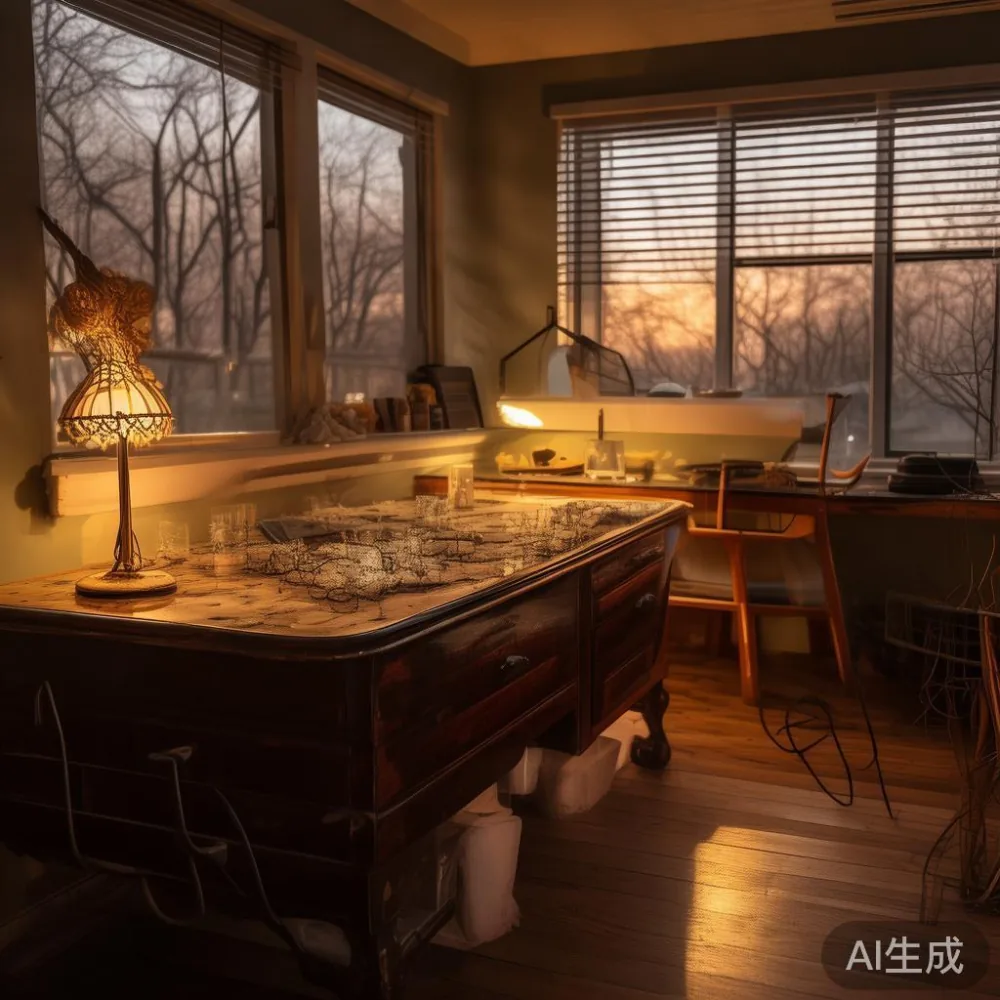
At MIDHILL, we make lacquered solid wood furniture for compact urban interiors, balancing pale colours, clean profiles, and practical maintenance. The same care discipline suits a solid wood sofa with lacquered details, a lacquered bed frame, dining table, wardrobe, nightstand, or marble table. This guide explains how to inspect, clean, and protect lacquer without sanding it unnecessarily or reaching for harsh chemicals.
Why does lacquer need special care in Singapore’s humid climate?
Humidity in Singapore commonly ranges from about 70% to 90%, while daytime temperatures often sit around 30°C to 34°C. Lacquer itself is not living tissue, but heat can soften a surface temporarily, making scratches more visible. Repeated moisture exposure may cause a lacquered panel to swell slightly at exposed edges, while ultraviolet light can gradually alter its colour.
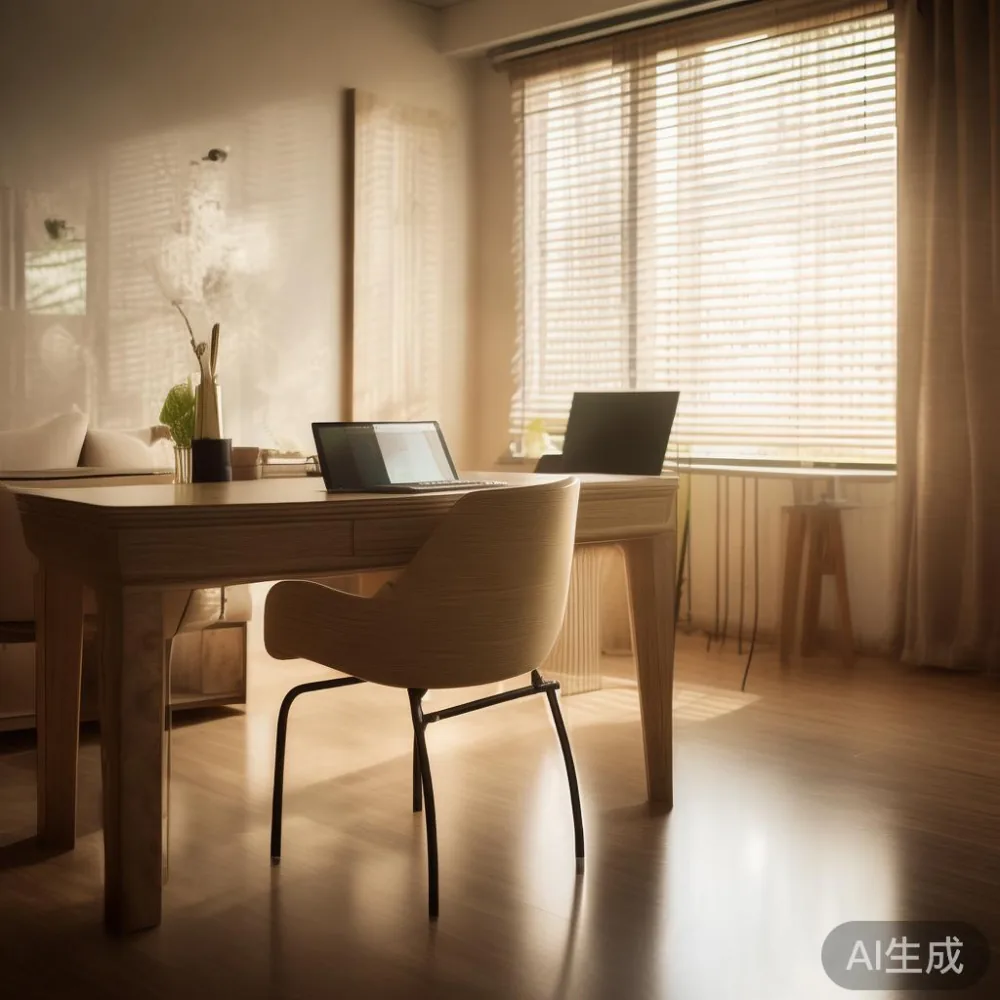
Temperature changes inside air-conditioned rooms add another factor. A wardrobe near a bedroom window might experience cool glass at night and warmer air by midday. Expansion gaps of roughly 1–3 mm are normal in engineered panels and solid wood furniture; persistent gaps larger than 5 mm deserve closer inspection. Keep lacquered furniture at least 30 cm from windows, radiators, air-conditioning vents, and open kitchen areas.
Work from home also increases surface contact. A laptop may be moved across the same 45 cm section daily, while a beverage glass leaves moisture for 10 to 20 minutes. These small routines matter more than occasional heavy cleaning. A dedicated 60 cm desk mat, coaster rings of 7–10 cm, and trays of 30 cm by 20 cm can reduce wear around the main working zone.
How should I identify the lacquer finish before cleaning it?
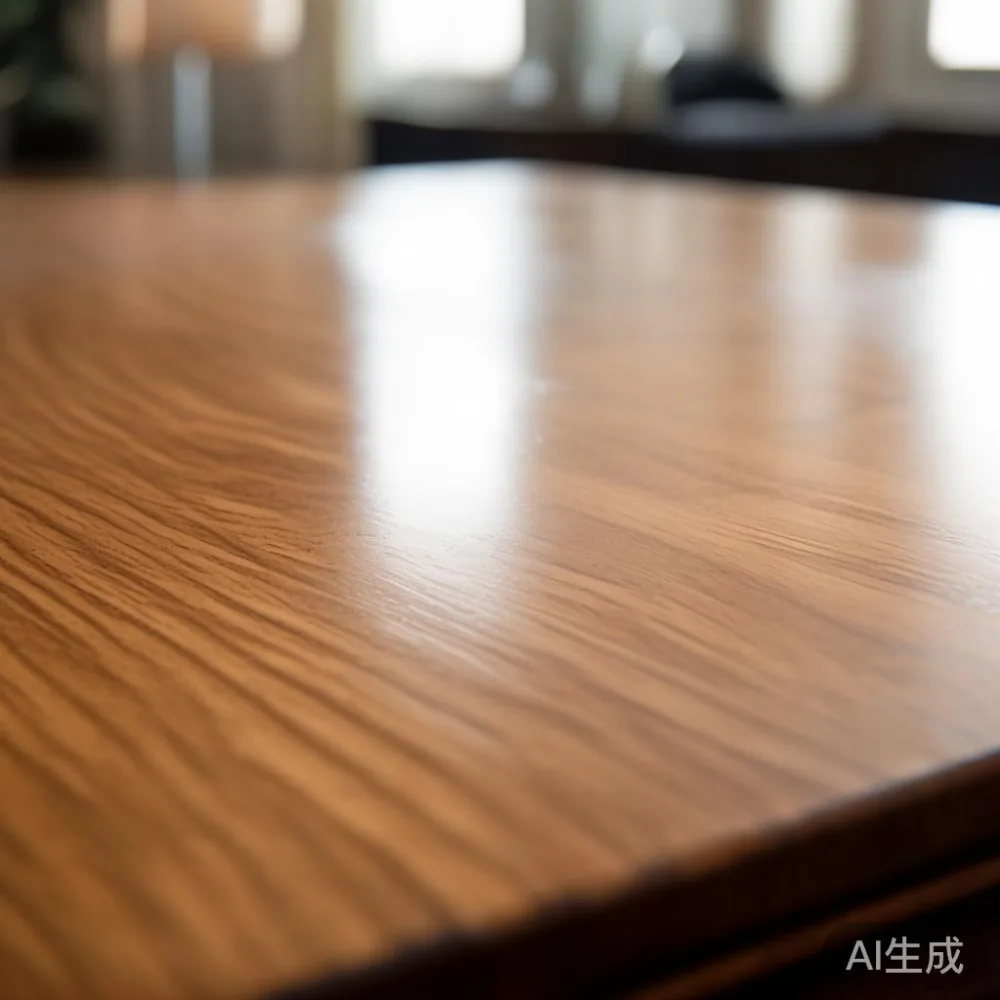
Start with the product label and the supplier. Some pieces labelled “lacquer” use a clear film over wood, while others use a coloured lacquer, a hand-rubbed oil, or a thin veneer with a protective coating. A high-gloss surface tends to reflect a window sharply; a matte or natural-oil finish diffuses it. Colour alone cannot confirm the treatment.
Use a white cotton cloth lightly dampened with plain water and wipe an inconspicuous area, such as the rear edge of a nightstand. If the cloth picks up colour or leaves a glossy mark, stop and ask the manufacturer for the approved cleaner. Do not test with a coin, knife, nail polish remover, alcohol pad, or coarse cloth. Those tools can scratch or dissolve the finish within seconds.
For a lacquered dining table, treat the finish as a protective skin rather than a surface to scrub. For a lacquered wardrobe, check moving parts separately. The same principle applies to a bed frame: wipe the broad panels first, then use a separate, barely damp cloth around hinges and rails so moisture does not enter gaps.
What is the safest 10-minute cleaning routine?
Clear the surface and place a towel beneath the item. Vacuum or dust with a soft microfiber pad, collecting grit before it becomes trapped. Mix about 100 ml of mild, pH-neutral dish detergent with 5 litres of lukewarm water. The mixture should feel slippery, not soapy. Dip a clean white microfiber cloth into it, wring it until it barely drips, and wipe in the direction of the grain or along a panel edge.
Wipe again with a second cloth dampened with plain water. This second pass removes residue that could leave a haze. Dry with a clean, lint-free cloth and allow 30 to 60 minutes before placing objects back on the surface. Never flood lacquer, immerse a solid wood sofa, or apply cleaner to the whole panel at once.
Clean spills promptly. Water should be blotted rather than spread. Oil can be lifted with a small amount of mild detergent on a white cloth. For an unknown stain, begin with a 5 cm test patch away from the edge and wait 24 hours. If the finish dulls, cloudy residue remains, or a mark grows, stop using the cleaner. A professional refinisher can assess whether spot treatment is possible.
This routine suits most lacquered work-from-home furniture, including a desk, shelving, dining table, wardrobe, nightstand, bed frame, and a lacquered marble table with a sealed stone top. Stone and lacquer need different cleaners, so check the marble treatment as well as the lacquer specification.
How can I protect a work-from-home desk from heat, spills, and scratches?
Position the desk away from direct afternoon sun. Singapore’s intense light can begin fading a pale finish within several months, although exposure varies by orientation. A west-facing Tampines or Bedok unit may receive direct light around 2 pm to 5 pm, while an east-facing Punggol home sees stronger morning sun. Use sheer curtains with a visible light transmission of at least 40% and consider UV film rated for blocking at least 99% of ultraviolet wavelengths.
Place a 60 cm by 40 cm felt or cork-backed mat beneath the laptop, but keep pens and keys on a separate 20 cm tray. Felt can collect grit, so lift the mat and clean underneath every 1 to 2 weeks. Use coasters with a 2–3 mm silicone lip, not uncovered cardboard. For a hot drink, allow the mug to stand on the coaster for at least 2 minutes after pouring.
Do not drag furniture across a floor. A lacquered solid wood sofa may have protective feet, but repeated sliding can stress joints and marr the coating. Lift where practical. For a heavy wardrobe or dining table, use two people or a furniture dolly rated above the item’s weight; a 70 kg dining table should not be moved on a trolley rated for only 50 kg.
When planning a new work-from-home arrangement, measure before delivery. HDB common corridors are often about 1.2–1.5 m wide, with lift cars around 1.0–1.1 m across and 1.3–1.4 m deep. A boxed dining table 160 cm long may need to enter diagonally, while a sofa can be split if its modules permit. Add GST to displayed prices and confirm the final delivery charge before purchase.
How do I remove scratches without ruining the lacquer?
First determine whether the scratch reaches the lacquer or the wood below it. A shallow surface scratch may disappear under angled light; a deeper mark often exposes a darker line. Place a clear ruler beside the affected area and photograph it with a 10 cm reference. This record helps the furniture maker distinguish settling marks from finish damage.
For a light hairline scratch, use a clean microfiber pad and a lacquer-safe polishing compound supplied or approved by the manufacturer. Apply less than a pea-sized amount, about 0.5 ml, to the pad. Work with light pressure for 20–30 seconds, then wipe and inspect. A second pass may be needed, but avoid circular rubbing for more than 1 minute because heat can create a dull patch.
Do not use household metal polish, sandpaper, scouring powder, or a magic eraser on lacquer. A 400-grit abrasive sheet may seem mild, yet it can produce visible swirl marks that take professional refinishing to correct. Deep gouges, peeling edges, or scratches crossing several lacquered panels are repair jobs for a specialist.
Because MIDHILL offers lifetime refinishing, customers can ask the company to assess whether the piece can be restored. That service is not a licence for careless DIY treatment. Sending photographs of the surface, the full item, and a close-up with a ruler gives a clearer diagnosis than a short description alone.
Can condensation from an air-conditioner damage a lacquered wardrobe?
Condensation can reach a wardrobe placed too close to a cold wall or vent. Signs include a narrow damp band near the floor, a musty smell, or stickiness around a lower rail. Keep the wardrobe 5–10 cm away from exterior walls where space permits, and direct air-conditioning airflow away from panels. Check the base every 2 weeks during the wetter months.
If moisture appears, remove clothes and shoes from the affected area. Open the doors for 30 minutes while the room is dry, then wipe the exterior with a barely damp cloth. Dry the base with airflow rather than a heater. A 40–60 W fan positioned 1 m away can move room air gently; avoid placing a 2,000 W heater within 60 cm of lacquer because rapid heat changes may stress the finish.
Lift and condensation also affect a lacquered bed frame. Leave 5–8 cm around freestanding pieces where possible, especially near a window or bedroom wall. Mattress and bedding can trap humidity against the headboard. Lift bedding for 20 minutes each morning and check behind it weekly. A nightstand near the bed should not touch damp bedding or floor cleaning cloths.
How often should lacquered furniture be inspected?
A 10-minute weekly inspection is useful in an active work-from-home room. Wipe high-contact areas, look beneath coasters, and check the edges nearest doors or windows. Every 3 months, clean the full accessible surface and review moving hardware on a wardrobe or bed frame. Every 6–12 months, check lacquer colour against an older photograph and inspect corners under natural light.
Keep a care log with the purchase date, finish name, cleaner used, and treatment of marks. This record becomes valuable if a warranty question arises. MIDHILL was established in 2008, exports to more than 15 countries, and provides a 10-year structural warranty. Those structural terms do not replace a finish-specific assessment, so confirm whether lacquer care or refinishing is included in the written documents supplied with the piece.
How do I choose European light luxury furniture that is practical for Singapore?
European styling can suit a compact HDB study or a condo work-from-home corner, provided scale is considered before decoration. Pale lacquer, restrained profiles, and lightly toned timber reflect daylight and make a 120 cm desk feel visually lighter. French light luxury often uses curved edges, tactile upholstery, and calm colour; American light luxury leans toward generous comfort and generous-looking forms; post-modern light luxury can introduce cleaner geometry and sharper contrasts.
When comparing a French sofa vs Mid-century modern sofa, check depth as well as width. A 220 cm French-style sofa may have a 95 cm seat depth, while a slim modern design can fit a 200 cm wall. A French sofa gallery photos can show fabric and shape, but an in-person or 1:1 scale drawing is more useful for an HDB living room. Seat height around 43–45 cm can support a compact work-from-home setup without crowding circulation.
The phrase Italian light luxury bed can describe a design mood, but it does not replace measurements. A queen bed measuring 155 cm by 200 cm needs 10–15 cm clearance on both sides for drawers and bedding, plus space at the foot for a 60 cm chair. Anyone researching how to choose European bed should compare the mattress size, headboard thickness, lift access, and route from the lift to the bedroom.
For a softer look, the MIDHILL European light luxury sofa combines a graceful profile with furniture proportions intended for real rooms. For a coordinated bedroom, a MIDHILL bed can be paired with a lacquered nightstand, while a lacquered dining table can transition from weekday meals to a focused work surface. The guiding rule is simple: luxury should add ease, not complicate care.
What should I do before a lacquered piece is delivered?
Prepare the route, not only the room. Measure the lift door, lift car, corridor turns, bedroom door, and final position. Allow at least 5 cm clearance beyond the packaged dimensions for the installer’s hands. For example, a wardrobe 120 cm wide and 58 cm deep needs a route wider than 125 cm if it cannot be turned on its side. Protect floor corners with foam guards and confirm whether the installer will bring the item beyond the door or into the room.
Choose a delivery date when someone can receive it. Inspect the carton for puncture or damp marks before signing. Photograph the packaging and each visible furniture panel. Keep protective film on lacquered surfaces until the item reaches its final position, then remove it within 48 hours unless the supplier instructs otherwise. Do not leave adhesive film in heat for weeks; it can bond unevenly to the finish.
Plan a 24-hour settling period before loading a work-from-home desk with equipment. Keep newly placed furniture 30 cm from windows and leave ventilation around a lacquered wardrobe. Confirm delivery timing, final cost in SGD, and the return policy in writing. MIDHILL provides free shipping for orders above US$350, although local delivery arrangements and any GST treatment should be confirmed for the Singapore destination.
Returns are accepted within 14 days under the stated policy, but opened furniture should be checked carefully rather than rushed back. Confirm condition requirements and packaging availability before moving an item. For a lacquered dining table, a marble table, or a large bed frame, retain all protective materials until the piece has been inspected and accepted.
What are the common lacquer-care mistakes to avoid?
The most damaging habit is assuming every cleaner is mild. Citrus, vinegar, ammonia, alcohol, and strong alkaline detergents can cloud or strip lacquer. Another mistake is mixing several cleaners to test them; chemical residues can become harder to remove. Use one approved product at a time and record its dilution.
Do not stack unapproved objects on a wardrobe top, hang heavy bags from a bed frame rail, or place a damp towel on a dining table for 30 minutes. Do not leave silicone-potting residue from renovation on the surface for long; remove it within 24 hours according to the contractor’s instructions. Avoid placing hot cookware directly on lacquer. A 70°C pan can create a ring or softened patch very quickly.
Also resist the urge to over-polish. A glossy surface does not need monthly compound work. Use polish only when a mark requires it and follow the product directions. Do not use oil on a lacquered dining table as a generic treatment; oil can darken the surface or leave sticky residue.
For anyone choosing furniture for a humid island home, the finish matters as much as the silhouette. Confirm the lacquer type, request approved care products, and retain the documentation. A carefully maintained solid wood sofa, bed frame, dining table, wardrobe, nightstand, or marble table can keep its refined character while supporting daily work and family life. Consistent, restrained care is what preserves that character over 5 years, 10 years, and beyond.