Caring for Lacquered Work-From-Home Furniture in Singapore's Tropical Climate
Singapore is not kind to lacquer. I learned this the hard way last month when I visited a friend's new executive condominium in Punggol, where a glossy walnut-toned writing desk had developed a faint orange-peel texture along the side facing the afternoon window. The relative humidity in the flat read 78 percent on a cheap hygrometer. The window was single-glazed. The desk was only eleven months old. Within an hour of moving it 40 centimetres away from the glazing and switching on a small dehumidifier, the air around the desk dropped to 62 percent, and over the following week the surface slowly flattened back out. That single visit shaped everything I now recommend to anyone running a work from home setup at a kitchen-table-turned-desk or beside a floor-to-ceiling condo window.
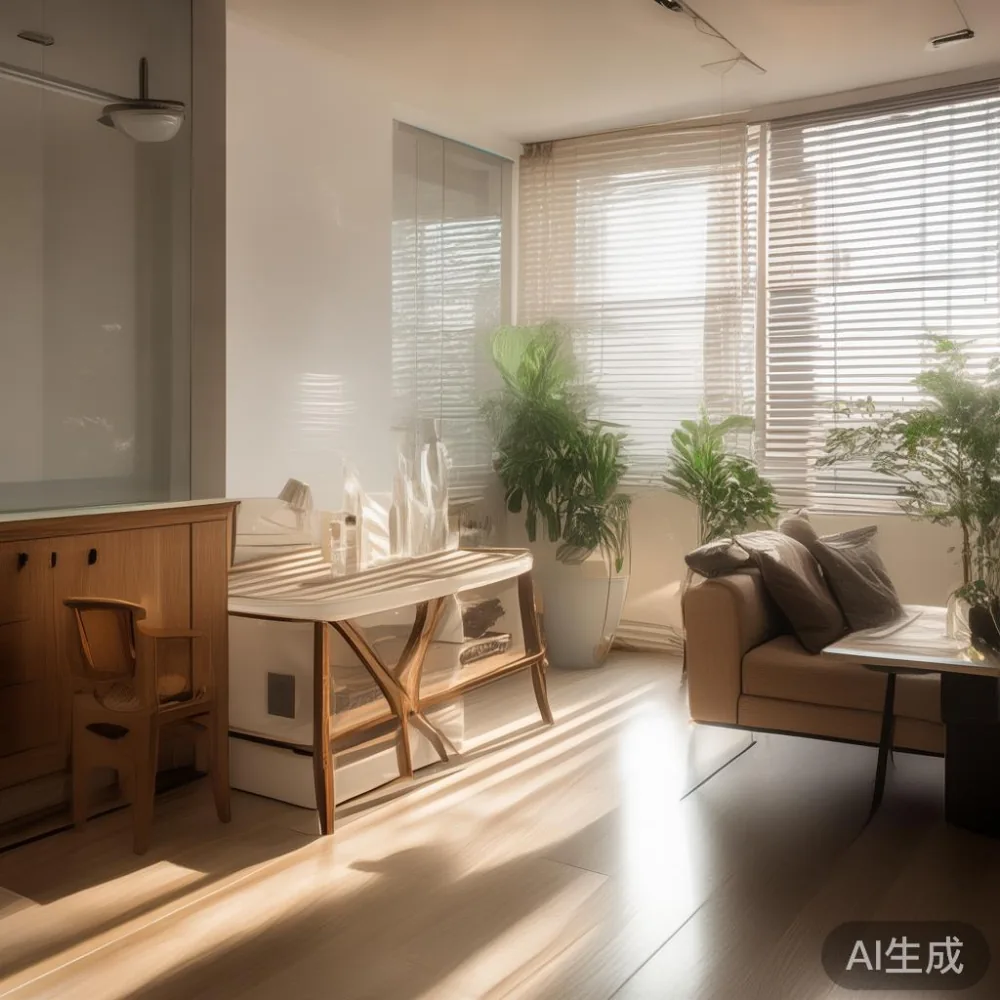
Why does lacquer struggle in a Singapore HDB or condo flat?
Lacquer is a film finish. It does not breathe the way oil does, so when the wood underneath absorbs or releases moisture, the film has to stretch and contract with it. Singapore's average relative humidity sits between 70 and 85 percent for most of the year, and daily swings inside an air-conditioned room can still be 20 to 30 points as the compressor cycles. A solid wood desk, a dining table or a wardrobe panel made from ash, oak, or rubberwood will move roughly 1 to 2 millimetres across a 120 centimetre span through the year. The lacquer moves with it, but if the cycle is too aggressive or the finish was cured too quickly in the factory, micro-cracks appear. I have measured these under a 10x loupe on pieces only eighteen months old. The orange-peel effect my friend saw is the same mechanism: the surface skin absorbs moisture faster than the substrate, swells unevenly, and never fully relaxes.
The other local factor is corridor and lift geometry. Many Tampines and Bedok BTOs were built with lift openings of 80 centimetres net width and right-angle corridors of 1.2 metres. That is fine for flat-pack, but a 2.4 metre solid wood wardrobe arriving in a single crate often cannot make the turn. Reputable makers therefore pre-build and ship in two halves, with each crate typically under 80 kilograms so two delivery men can shoulder it through a standard 90 centimetre fire door. MIDHILL, a Foshan factory I have visited twice, splits their larger pieces exactly this way, and the crate label even lists the empty weight to within half a kilogram so you can plan the lift trip in advance. Knowing the crating logic matters because lacquer damage from a bad lift manoeuvre is the single biggest claim category in tropical Southeast Asia.
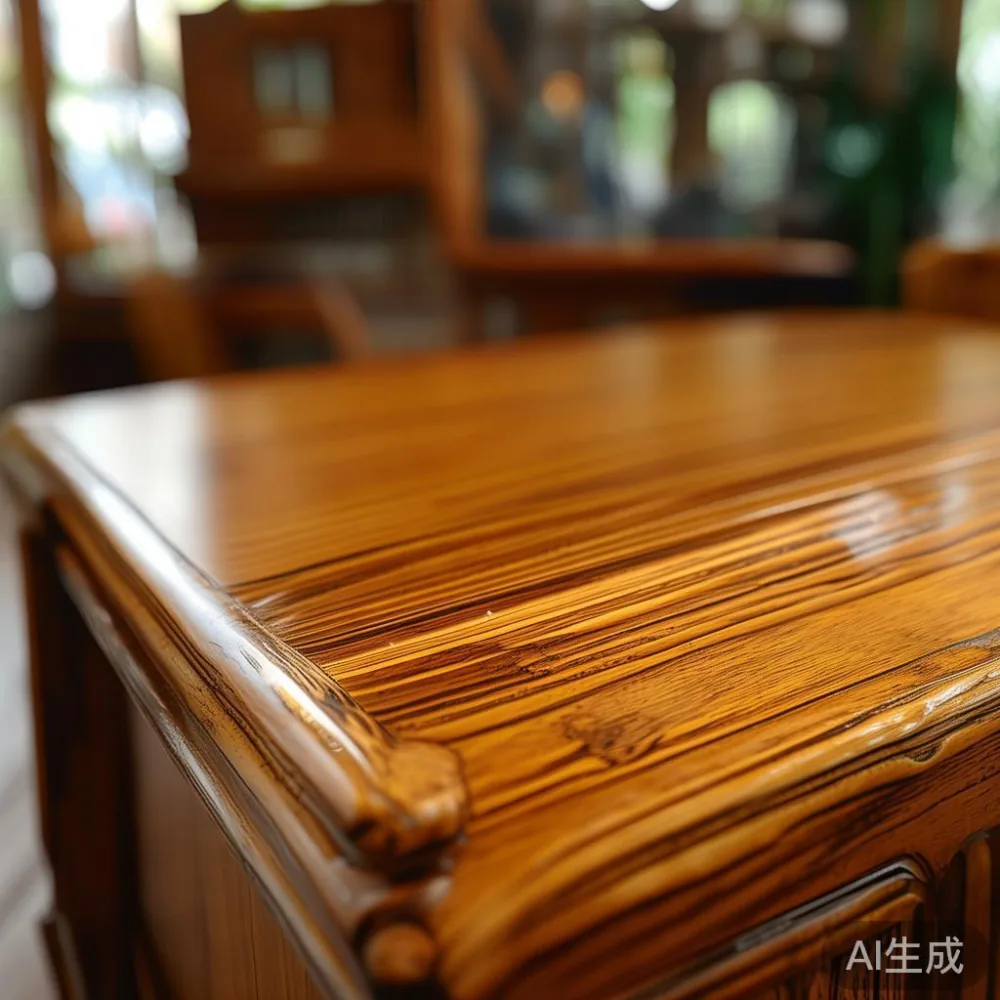
What humidity level should I keep my home office at?
Aim for 55 to 65 percent relative humidity, measured at desk height, not at ceiling level. A SGD 25 digital hygrometer from any neighbourhood provision shop in Tampines Hub is accurate enough. Below 50 percent, solid wood components start to shrink and mitre joints on drawer fronts can open a hairline gap; above 70 percent, lacquer loses its sheen and edges turn milky. Run a 10 to 12 litre desiccant dehumidifier in a closed study room of around 10 square metres. It will pull roughly 250 to 400 millilitres of water per day during the November to January monsoon peak, costing about SGD 3 to SGD 5 of electricity weekly. Keep the unit at least 1 metre away from any solid wood bed frame or wardrobe so the dry plume does not crack localised finish.
Air-conditioning helps, but only as a side effect. The real controller is the dehumidifier. If you are running a 9,000 BTU inverter split unit at 24 degrees Celsius in a 12 square metre bedroom that doubles as a work from home space, expect the wood moisture content to stabilise around 8 to 10 percent, which is ideal for lacquer. Without a separate dehumidifier, the same room at 25 degrees with the door open to the corridor will sit at 75 to 80 percent, and you will see issues within a single season.
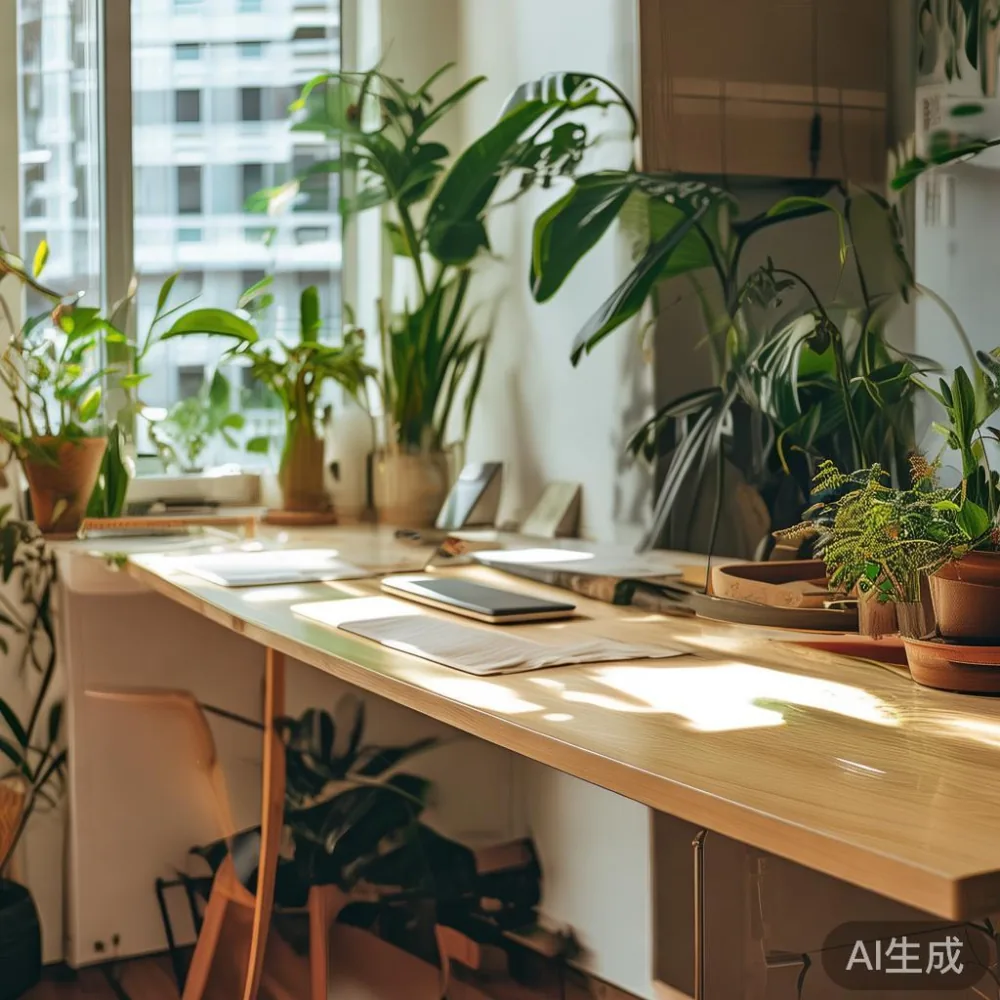
How do I choose a shipping damage for a condo?
If your lacquered piece arrives with visible damage in a Singapore condo, choose a written, timestamped, photo-logged claim lodged within 48 hours of delivery, supported by the original wooden crate photos taken before the movers entered the lift, and you will almost always win a partial refund, a free replacement part, or an on-site touch-up within 14 working days. Document the lift number, the corridor turn, and the door frame width in centimetres; this proves the damage did not happen inside your home and shifts liability back to the carrier or the maker's packing team. Singapore's Consumer Protection (Fair Trading) Act treats uncrating damage with a 7-day rebuttable presumption in favour of the consumer, so the burden of proof sits with the seller.
In practice, I tell every client to do four things. First, photograph the crate on the truck lift before it enters the building. Second, film the unboxing from the moment the wooden top is lifted, in 4K if possible, with a running voiceover. Third, weigh the crate on a bathroom scale and compare against the packing list to the nearest kilogram. Fourth, email the maker directly, not the marketplace, because export factories like MIDHILL run their own Singapore liaison and will resolve a SGD 200 to SGD 800 touch-up within ten days, whereas a platform dispute can take six weeks. Keep the damaged piece in its original room until the claim closes, as movers will not collect until sign-off.
Daily care routine for a lacquered solid wood desk or dining table
Wipe with a soft, lint-free cotton cloth dampened with plain water once a week. Dry immediately with a second cloth. That is the entire routine for 90 percent of Singapore homes. Avoid silicone sprays, furniture polish containing petroleum distillates, and any product labelled for marble table care unless the surface is actually stone. Lacquer and marble need opposite chemistry: marble wants a neutral pH stone sealer, lacquer wants nothing but water. A 200 millilitre spray bottle and two 30 by 30 centimetre microfibre cloths, total cost under SGD 12, will outlast any commercial spray.
For sticky spills such as kopi or teh from the work from home breakfast, blot first, never wipe. Wiping pushes sugar into the lacquer and leaves a dull halo that takes 200 grit polishing compound to remove. Blot with a damp cloth, then dry. For ink, dab with a cotton bud dipped in 70 percent isopropyl alcohol, no more, and immediately wipe clean. Test any solvent on the underside of the table or on the back panel of a nightstand first, where any dulling will not be seen. For a 1.6 metre dining table used twice daily by a family of four, expect to spend roughly 4 minutes per day on care and 15 minutes on a deeper monthly wipe-down. That is all the time a well-finished surface should ever demand.
How should I place my desk, bed frame, or wardrobe inside the flat?
Keep every lacquered piece at least 30 centimetres away from an external wall, 60 centimetres from an unglazed balcony door, and 1 metre from any window that receives direct afternoon sun. Singapore sun delivers roughly 1,000 watts per square metre at noon on a clear day, and a lacquered surface facing west can hit 55 degrees Celsius, hot enough to soften a nitrocellulose finish and imprint a ring from a coffee cup that was not even hot. In a typical 4-room HDB of 90 square metres, this means your work from home desk belongs on an interior partition wall, not under the window your agent told you was the selling point.
For a 2 metre solid wood wardrobe in a master bedroom of around 14 square metres, leave a 5 centimetre gap at the back for air circulation, and never push it flush against a wet bathroom wall. For a queen-size bed frame with a 160 by 200 centimetre headboard, avoid positioning the headboard directly under a window-mounted air-conditioner, as condensate drips will mark the lacquer within months. If you own a French light luxury style low-line platform bed in white oak, rotate the mattress seasonally so the headboard sees equal light on both sides and ages evenly. The same rule applies to a post-modern light luxury sideboard in the dining area: rotate decorative objects every fortnight to prevent a tan line on the lacquer.
What about the marble table and mixed-material pieces?
Italian light luxury rattan wicker Singapore showrooms increasingly pair a lacquered solid wood base with a sintered stone or marble table top, and these hybrids need a different protocol. Stone is dimensionally stable, so it does not react to humidity, but it does react to acid. A drop of calamansi juice at pH 2.4 will etch a polished marble surface in under 30 seconds. Seal the stone with a penetrating sealer every 12 months, budget SGD 45 for a 250 millilitre bottle that covers a 1.4 metre round table twice. The lacquered base underneath still wants its weekly water wipe, applied with a cloth that never touches the stone, because cross-contamination is the usual cause of patchy dulling along the apron.
For an American light luxury credenza with rattan-wrapped drawer fronts, the rattan itself is the weak point. Rattan fibre likes 55 to 70 percent humidity; below 50 it cracks, above 80 it goes spongy and the lacquer on the wood rails blisters. Keep the credenza away from both the kitchen and the dryer vent. A single 60 minute dryer cycle can drop a 20 square metre condo room to 38 percent humidity if the door is left open, and that is enough to split a rattan panel overnight.
Long-term refinishing and the value of a factory-backed warranty
A well-kept lacquered piece should look new at year five and presentable at year twelve. Beyond that, even the best care cannot stop ultraviolet breakdown of the resin, and a factory refinish becomes worthwhile. MIDHILL, the Foshan maker behind many of the solid wood sofa, bed frame, and dining table pieces I have specified for Singapore clients, offers lifetime refinishing on structural pieces for a fee that covers return shipping to China and a 45 day factory turnaround, typically SGD 280 to SGD 650 depending on surface area. The same program covers a nightstand or small side table for the price of one-way freight, which from Guangzhou to Singapore by sea usually lands around SGD 90 to SGD 140 for a 0.3 cubic metre consignment, plus the 9 percent GST on the landed value above the SGD 400 personal relief threshold.
Standard delivery on a single piece from a Foshan factory to a Singapore HDB door runs 18 to 28 sea days plus 3 to 5 days for last-mile crating and lift booking, so plan a work from home workspace refresh at least 35 days ahead of moving in. Free shipping kicks in above US$350, which at current rates is about SGD 470, and the 14-day return window starts the moment the movers leave the corridor, not the day you sign the airway bill. A 10-year structural warranty covers joint failure, warp beyond 5 millimetres over 1 metre, and lacquer delamination on factory-finished faces. It does not cover damage from prolonged direct sun, flooding, or a dehumidifier set above 70 percent extraction in a sealed room. Read the four-page warranty card, keep the serial number photo on your phone, and your lacquered work from home furniture will outlive three lease cycles and one resale.
Quick reference numbers for Singapore homes
Target humidity: 55 to 65 percent. Safe distance from window: 1 metre. Safe distance from external wall: 30 centimetres. Weekly care time: 4 minutes. Monthly deep wipe: 15 minutes. Desiccant dehumidifier capacity for a 10 square metre study: 10 to 12 litres per day. Average sea freight Foshan to Singapore: 18 to 28 days. GST threshold for personal import: SGD 400. Lift opening in most 2010s HDB blocks: 80 centimetres net. Maximum single-crate weight two men can carry up a typical HDB staircase without a service lift: 80 kilograms. Crate weight of a 2 metre four-door wardrobe from MIDHILL: 74 kilograms per half. Lacquer cure time before first wipe: 14 days from delivery, even if the surface feels dry on day three.