Humidity, HDB Lifts, and Home Offices: A Practical Guide to Caring for Solid Wood Furniture in Singapore
I first set up a proper work-from-home corner in a Tampines HDB flat six years ago, and within three months the drawer of my desk had started to stick every afternoon. The aircon ran from nine to six, the window stayed shut, and the wood still moved. That was my first real lesson in how humidity in Southeast Asia quietly reshapes solid wood furniture — long before any visible crack appears. Anyone running a work from home setup in Singapore, Kuala Lumpur, or Jakarta runs into the same physics, because relative humidity here swings between roughly 60% in a dry February afternoon and 95% during a monsoon evening, while your furniture sits at a steady 24 to 27°C under the aircon.
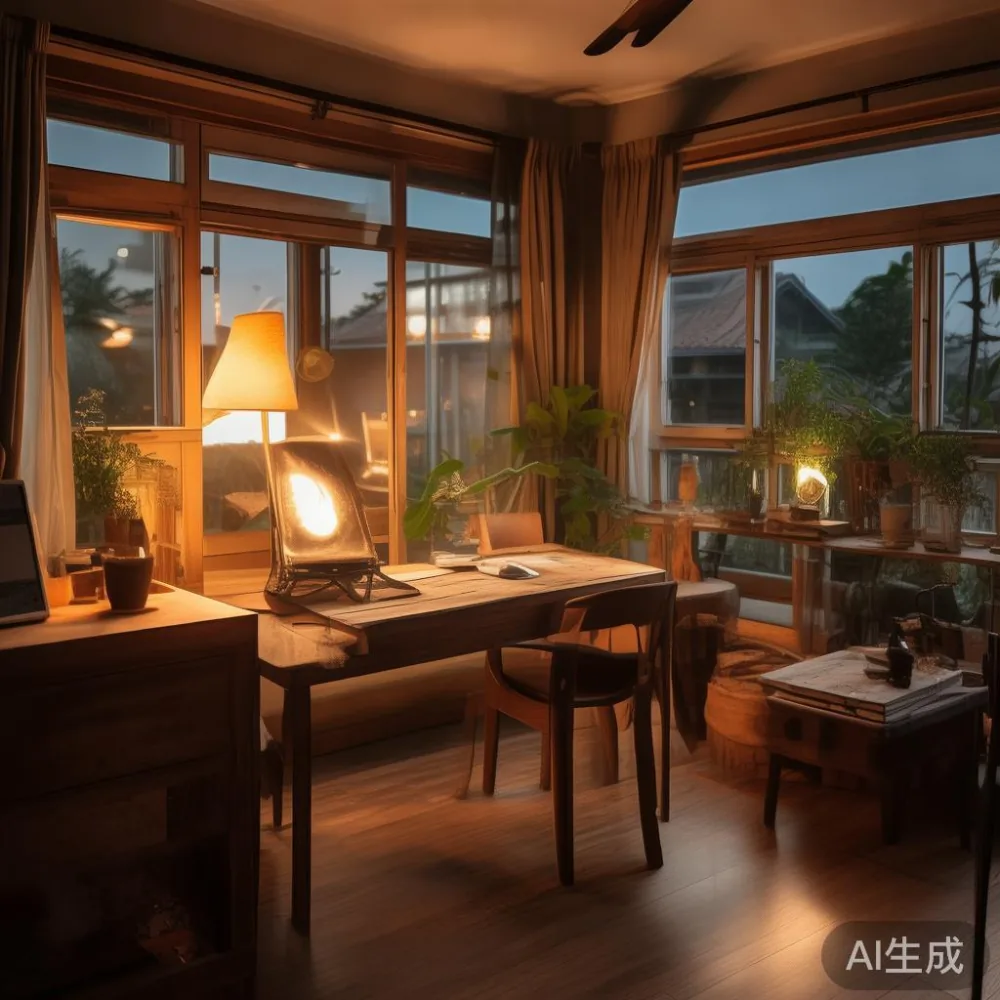
Why does humidity in Southeast Asia damage wood furniture more than in temperate countries?
Solid wood is hygroscopic: it absorbs and releases moisture until it matches the air around it. In a London flat, indoor relative humidity might stay between 40% and 55% year-round. In a Singapore HDB on the 12th floor, the same room can swing from 50% in the morning (after the aircon has run all night) to 88% by 10 pm when you open the door, ventilate the bathroom, and let the night air in. Each 10% change in moisture content causes roughly a 1% change in the width of a solid wood plank. A 200 cm dining table top can therefore expand or contract by 2 to 3 mm across its width during a single monsoon week, which is enough to open a hairline gap, swell a drawer runner, or push a cabinet door out of square.
Engineered boards (plywood with a veneer, MDF, particleboard) react differently. They tend to absorb moisture at the edges first, which causes "edge swell" — that bumpy, swollen look along a wardrobe side panel after a year in a non-aircon guest room. A piece made from a single piece of ash, oak, or walnut will move more visibly but more predictably, and a craftsman can design for that movement. That is why serious pieces, including an Italian light luxury ash wood loveseat or a French light luxury solid wood bed frame, are built with mortise-and-tenon joinery and floating panels rather than glue-and-staple construction.
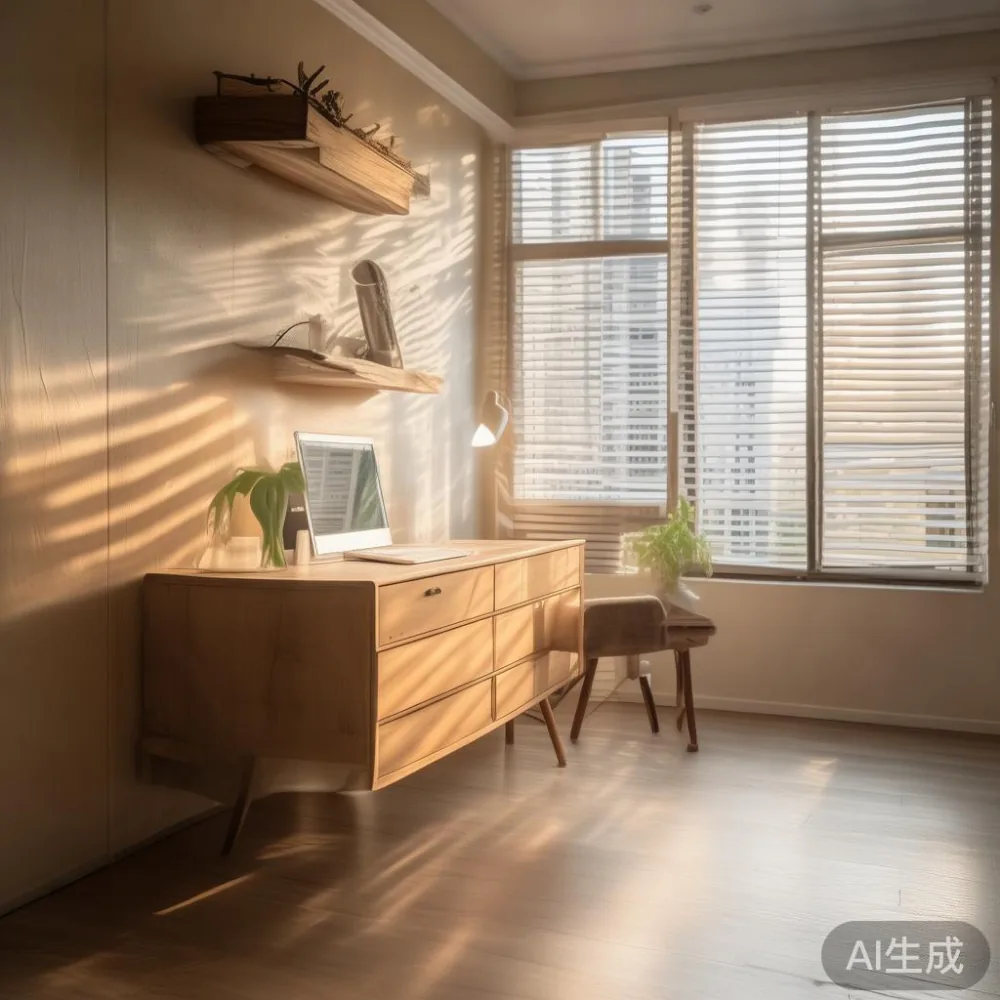
Which rooms in a Singapore condo cause the most damage to solid wood?
Not all rooms are equal. Kitchens are usually fine because the aircon runs while you cook and the extractor pulls out moisture. The danger zones are:
- The home office: Doors closed, aircon at 24°C, dehumidifier off. By Friday afternoon, relative humidity can drop below 45%, and on Monday morning when you open the door it climbs past 70% in minutes. That 25-point swing over a weekend is what cracks a writing-desktop or warps a drawer bottom.
- The master bedroom wardrobe: Body moisture from showering, plus a tightly shut door. A 180 cm three-door wardrobe against an external wall in Punggol can sit at 80% RH on the wall side and 55% on the room side — and it is the wall side that will eventually cup.
- The balcony-corridor: Many new BTOs in Bedok have a service yard or balcony that owners convert into a reading nook with a small marble table and nightstand. Beautiful, but exposed to direct rain splash and 95% night humidity. Keep solid wood at least 1.5 m from the door opening.
What humidity level should I keep my home office at to protect a work-from-home desk?
The target range is 45% to 60% relative humidity, measured at desk height, midday. Below 40% for a sustained week and you risk shrinkage cracks along the grain. Above 65% for a sustained week and you risk joint failure, mould on the underside of a dining table, and musty drawer interiors. A SGD 80 to SGD 150 thermo-hygrometer from an electronics shop in Sim Lim Square is the cheapest insurance you can buy. Place it on the desk, not the wall. Wall-mounted units read the wall temperature, which can be 2°C cooler than the air around your chair on an external wall.
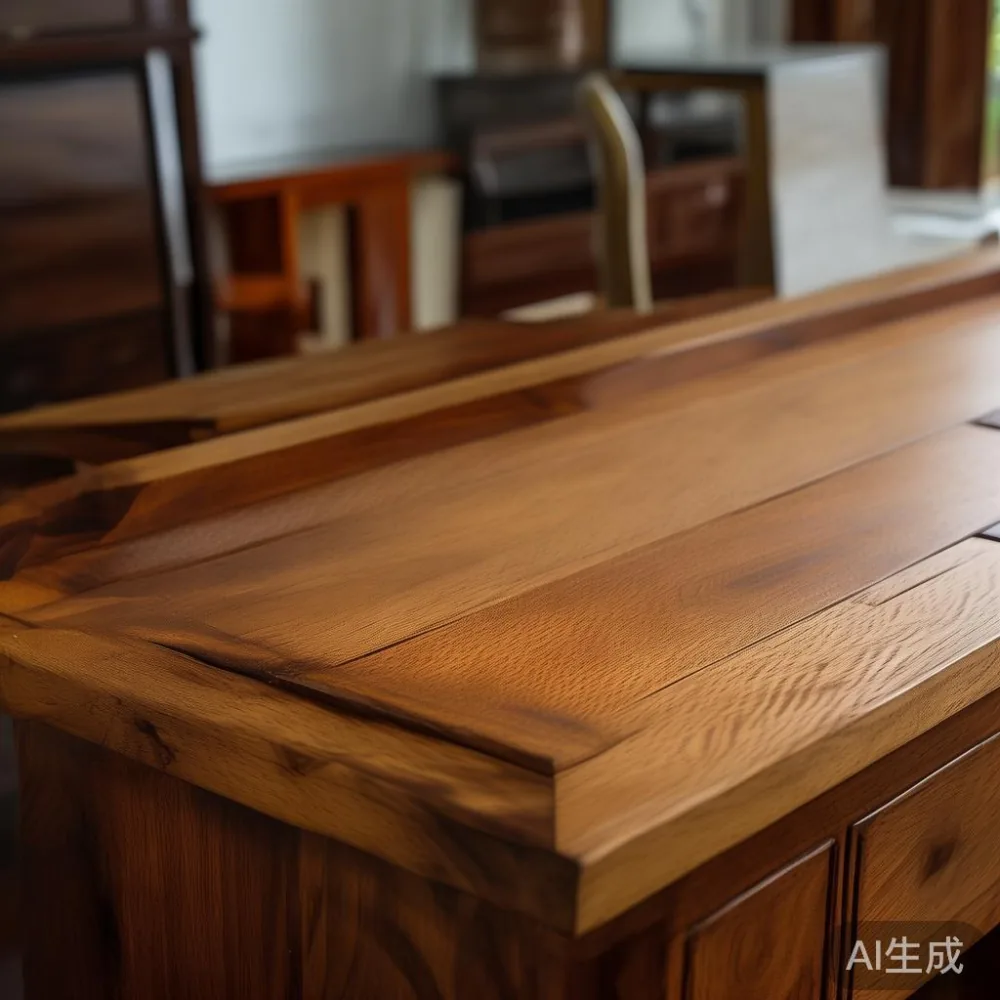
If you are running aircon seriously (below 23°C for eight hours a day), add a small dehumidifier rated at 10 to 12 L/day. A typical 12-litre Meaco or similar costs SGD 280 to SGD 420 and pays for itself in one refinishing visit. For a pure work from home setup, I keep mine set to 55% RH and let the aircon handle temperature separately — the two systems should not fight each other.
Where can I buy a chest of drawers in Singapore?
You can buy a solid wood chest of drawers in Singapore directly from MIDHILL's Foshan factory showroom, with shipping from Zhongshan Port to Singapore taking 18 to 25 sea days and arriving at your door with two-man delivery included on orders over US$350 (roughly SGD 480). For a typical 5-drawer ash chest measuring 90 cm wide × 45 cm deep × 110 cm tall, expect 38 to 45 kg packed, and check your HDB or condo lift inner dimensions first — most Singapore lifts are 110 cm deep × 140 cm wide, which leaves only 10 cm of clearance for a diagonal carry if the carton is slightly larger.
Local alternatives include Hock Siong in Balestier (a long-running solid wood specialist, mostly teak dining tables and wardrobes) and several furniture shops along Sungei Kadut. Local pricing for a comparable 5-drawer chest tends to run SGD 1,200 to SGD 2,400, while direct-factory options from MIDHILL and similar Foshan exporters usually land between SGD 750 and SGD 1,600 inclusive of GST and delivery, depending on the wood species. American light luxury styles (clean shaker profiles, brushed brass pulls) sit at the higher end; Chinese post-modern light luxury (softer curves, lighter ash tones) sits in the middle.
How do I get a 200 cm dining table through a Singapore HDB lift and corridor?
This is the question that decides whether you can own a proper solid wood dining table at all. Standard HDB lift inner dimensions in newer BTOs (Tampines GreenRidges, Bedok North, Punggol Henequin) are roughly 1.1 m deep × 1.4 m wide × 2.3 m high. Older BTOs from the 1990s can be as tight as 1.0 m × 1.3 m. A 200 cm × 100 cm dining table top, even stood on its long edge, needs 100 cm of vertical lift height plus tilt room. It will not fit diagonally in most lifts — the diagonal of a 1.1 × 1.4 m lift is only 1.78 m, and a 200 cm plank tilted on edge still needs the full 2 m length to clear.
Real solutions that work:
- Choose a table with a detachable or "butterfly" leaf that ships in two 100 cm halves. Two strongmen can produce on-site assembly in 20 minutes. Most Foshan factories offer this on any solid wood dining table over 160 cm.
- Choose a 160 cm round table. The diameter fits any Singapore lift and any corridor, including the 1.2 m-wide common corridors in older HDB blocks.
- Check the lift door height. Some HDB service lifts in Punggol have only 1.9 m door openings, which rules out even a 180 cm table stood upright.
My colleague in Bedok learned the lesson the expensive way: he ordered a 220 cm walnut dining table, the lift measured 1.1 × 1.4 m, and the table would not go in. He ended up paying SGD 280 for a hoist-up-the-corridor alternative, plus SGD 220 for a carpenter to cut and rejoin the top in his客厅. A pre-measurement visit would have saved SGD 500.
What about warranty, returns, and long-term care for imported solid wood?
Most Singapore buyers assume local consumer protection law covers everything. It does not cover imported furniture the way many expect. GST is paid on import (9% on the CIF value), which is non-refundable on a return. Most direct-from-factory sellers, MIDHILL included, offer a 10-year structural warranty on solid wood frames — joints cracking, rails failing — but cosmetic movement (seasonal hairline gaps, slight drawer swelling in July) is usually excluded, because it is not a defect, it is physics.
A 14-day return window from the day of delivery is standard for any reputable online seller in this category. Take photos of the carton on arrival, photograph the unboxing, and measure moisture content with a pin-type meter (SGD 25 from any hardware shop) — readings above 12% on a new piece mean the factory dried the wood too fast and you should refuse delivery. Below 8% means it was kiln-dried properly and is ready for Singapore's humidity.
Lifetime refinishing is the real long-term value. A solid wood dining table bought for SGD 1,400 today, refinished once at year eight for SGD 280 to SGD 420 (sanding, re-staining, new topcoat), will outlast three flat-pack replacements and still look like a French light luxury piece in 2034. Keep the original wood species and finish code in your phone; any good workshop in Singapore (Teak & Mahogany at Joo Chiat, independent restorers in Macpherson) can match it.
Practical checklist before you buy any solid wood piece for work from home use in Singapore
- Measure your lift: depth × width × door height. Photograph the data plate inside the lift.
- Measure your corridor width at the narrowest corner, including any fire-hose cabinet protrusion.
- Ask for the moisture content reading on the factory QC sheet. Refuse above 10%.
- Ask whether the table ships in two halves for any dining table over 160 cm.
- Confirm whether the warranty covers joint failure, not seasonal movement.
- Buy a SGD 80 hygrometer the same week the furniture arrives.
- Run a dehumidifier at 55% RH in any closed-door home office for the first 30 days.
Buying solid wood furniture for a Singapore work from home setup is not the gamble it looks like. The wood is going to move — that is what solid wood does. The question is whether the factory let it acclimatise before it left Foshan, whether the joinery allows movement, and whether you have a 55% RH target in your home office. Get them right, and a SGD 1,400 ash wood dining table will serve your family through two BTOs, one resale flat, and a condo upgrade, looking better at year ten than the day it arrived. Skip those steps, and the same table will crack in the first monsoon season. The difference is not luck, and it is not the brand on the carton.