Keeping Your Lacquered Solid Wood Furniture Beautiful in a Singapore Work From Home Setup
Most Singapore HDB owners I speak with worry less about the look of their new solid wood sofa, bed frame, or dining table when they first receive it, and more about what those pieces will look like in year three. After spending close to two decades outfitting homes across Tampines, Bedok, and Punggol with furniture shipped direct from the Foshan factory floor, I can tell you the answer sits in one decision: how you treat the lacquered surface during the first 90 days of ownership. Get that window right, and a light luxury American-style bed frame still looks fresh when your neighbours are already planning a replacement.
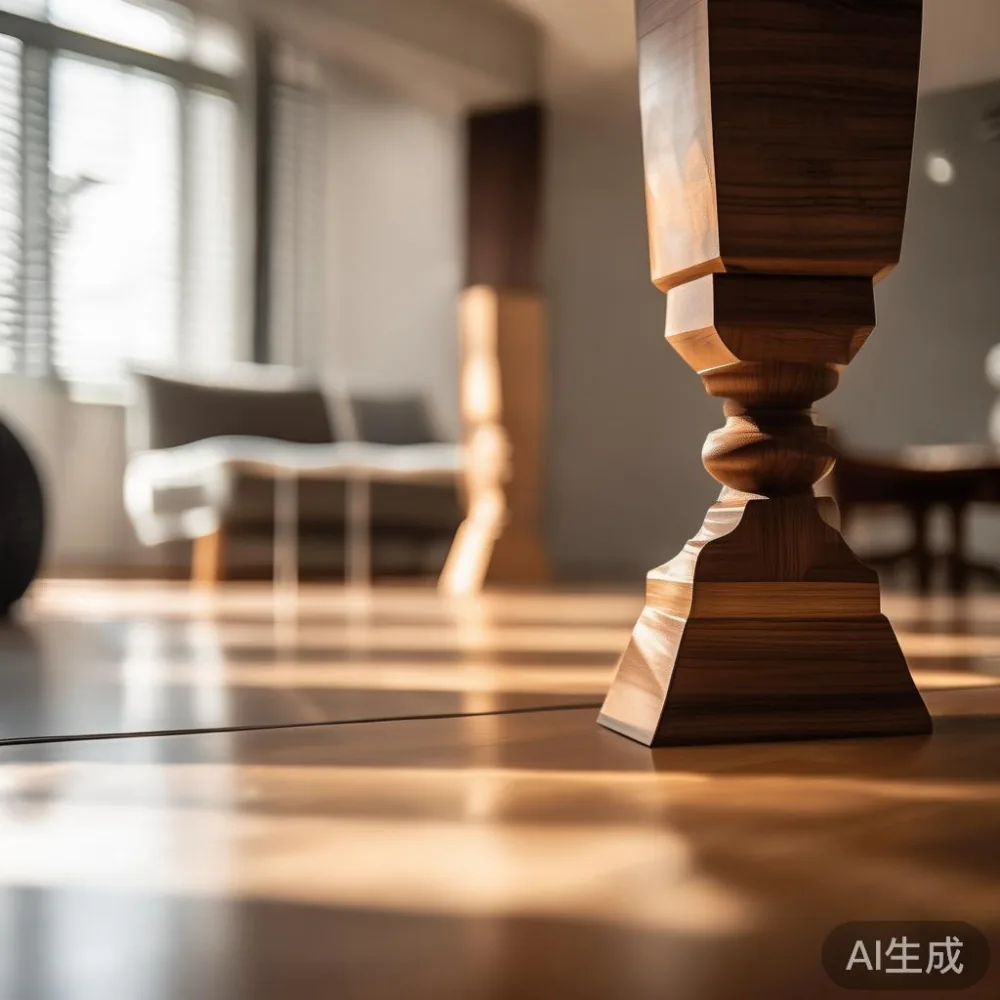
Singapore is a punishing environment for any lacquered wood. Outdoor humidity drifts between 70% and 92% most mornings, air-conditioning pushes living room temperatures from 24°C down to 21°C within an hour, and afternoon sun through west-facing corridors in a Punggol condo can heat a wardrobe door to 48°C surface temperature by 3pm. Add the dust haze episodes in September and October, plus the salt carried on sea breezes in East Coast, and you have a cocktail that slowly dulls a piano finish on a solid wood dining table long before the structural warranty runs out.
This guide is written for the specific realities of work from home life in a 4-room HDB or a 1,200 sqft condo, with the lift and corridor widths that Singapore delivery teams work through every day, the GST-inclusive prices you actually pay, and the air-conditioning habits of someone who spends nine hours a day sitting at a marble table that doubles as a desk. Every recommendation is calibrated to pieces in the post-modern light luxury category — think clean lines, restrained gold hardware, and engineered joinery rather than ornate carving.
Why Singapore's Climate Attacks Lacquer Faster Than Most Buyers Expect
Lacquer is a thin, hard, transparent film that protects the wood underneath. It looks wonderful on day one because the polishing process at the factory presses the surface flat to a measurable roughness of under 0.05 microns. Once that surface absorbs or releases moisture, however, the microscopic peaks and valleys shift. In Singapore, where relative humidity commonly climbs from 65% at 8am to 90% by 11pm, wood cells repeatedly swell and shrink across a normal day. The lacquer film, which cannot stretch as much as the wood itself, eventually micro-cracks along the grain lines you see running through a solid wood dining table or nightstand.
Three local factors make this worse than the same piece in a European bedroom:
- Humidity amplitude: Daily swings of 25 percentage points are normal between air-conditioned rooms (45–55%) and an open kitchen balcony during cooking (up to 95%). The wood keeps trying to equilibrate.
- Condensation: A glass of iced water on a lacquered marble table or side table for two hours will leave a ring under any finish. The cold side of the glass drops the surface temperature, moisture condenses, and the lacquer traps the water before it can evaporate.
- UV dosage: Singapore receives around 2,200 hours of sunshine a year, and afternoon sun west of a building line carries high UV. A lacquered wardrobe placed within 2 metres of an unshaded window will yellow noticeably within 18 months.
A solid wood sofa, bed frame, dining table, wardrobe, or nightstand from a maker that controls its own supply chain — drying, joinery, finishing, packing — holds its surface better because the wood moisture content is stabilised to roughly 10–12% before lacquer is applied. Cheaper flat-pack pieces skip this step, and that is why their finishes fail first in the same flat.
Your First 30 Days: The Acclimatisation Window
When your new furniture arrives, whether you bought a four-seater solid wood sofa at S$2,480 or a queen-size bed frame at S$1,650, the wood is still in transit mode. It has spent 14 to 18 days in a 40HQ container, moving between a Foshan factory warehouse and a Singapore 3PL depot. Give it a quiet week.
Day 1 to 7: Remove all packaging. Keep the piece in a well-ventilated room with the air-conditioner off for the first six hours, then turn the AC back to your normal setting (22–24°C is typical). Wipe every lacquered surface with a dry microfibre cloth (a 12-pack from a Tampines hypermart costs about S$12) to remove any dust from shipping. Do not apply any product yet.
Day 8 to 14: Watch the corners and the underside of overhangs. If the wood feels slightly tacky or smells faintly resinous, that is the residual solvent leaving the lacquer. Open the windows for two hours each evening to vent the room. Place the piece at least 30 cm away from any wall to allow air to circulate behind it — a 4-room HDB with a 3.0 m lift lobby and a 1.2 m-wide corridor means the delivery team had to angle the piece during delivery, and you should not push it flush against a wall straight away.
Day 15 to 30: Begin regular care. Two microfibre wipes a week. Nothing wet. By day 30, the wood should be fully acclimatised and you can start the long-term routine below.
The Long-Term Care Routine for Work From Home Furniture
For someone running a work from home setup, the dining table or marble table is doing two jobs — weekday desk and weekend dining surface. That is roughly 45 hours of contact a week. Without a routine, contact damage (rings, pen marks, mouse friction) becomes visible within six months. With one, the same surface still photographs well 10 years later.
Daily, 60 seconds
After your last meeting of the day, wipe the surface with a dry microfibre cloth. Pen marks from a S$3 ballpoint are mostly graphite and lacquer pigment; they sit on top of the film rather than soaking in, so a dry buff removes 90% of them. Drag the cloth in long strokes parallel to the grain, not in circles — circular wiping leaves swirl marks under raking sunlight from a corridor window.
Weekly, five minutes
Dampen a microfibre cloth with plain water and wring it until no drops fall. Wipe once, then immediately dry with a second cloth. Water on lacquer is a controlled tool, not a cleaner. For a solid wood sofa, bed frame, or wardrobe, vacuum the textile components using the upholstery brush attachment (S$15 at any department store) to remove skin flakes and dust that slowly abrade lacquer on adjacent panels.
Monthly, 15 minutes
This is where you check the structure, not just the surface. Run your hand along the underside of a dining table top, the back of a headboard, and the inside of a wardrobe door. Any roughness there tells you humidity is moving moisture faster than the lacquer can release it. Apply a thin coat of paste wax (a tin of Briwax in clear or dark oak costs around S$22 locally) using the cloth, wait 20 minutes, buff off. The wax adds a sacrificial layer that absorbs micro-scratches and UV before the lacquer does.
Paste wax is also what factories that finish post-modern light luxury furniture recommend before the piece ships. It is not a polish in the show-home sense — it does not create shine. It is a 3-micron protective skin that wears off and gets replaced, while the lacquer underneath survives.
Quarterly, 30 minutes
Move the piece 5 cm away from the wall and vacuum behind it. Mop the floor underneath. Lift a nightstand or a marble table to check the glides — felt pads on chair legs and table feet should be replaced every 90 days if you slide the piece daily. A 16-pack of self-adhesive felt pads costs about S$5 and prevents the single most common cause of lacquer wear I see in Singapore flats: a heavy chair dragged across a dining table edge twice a day, every day.
"Is Light Luxury Sofa Worth It in a HDB Flat?" — A Real Question Worth Answering
This question landed in my inbox last month from a buyer in Bedok who had shortlisted three Italian light luxury accent chair options and an American light luxury two-seater sofa at S$2,180 before delivery. His fear was reasonable: at that price, with the 9% GST adding roughly S$196, he wanted reassurance that the lacquer would not fail in two years in an east-facing unit he cools to 23°C for 14 hours a day.
Here is the honest comparison. A light luxury sofa at the price bracket of S$1,800 to S$3,000 is built around a kiln-dried hardwood frame (often ash or rubberwood) with a multi-coat lacquer applied in a dust-controlled spray booth. The lacquer itself is usually a 7- to 9-coat NC (nitrocellulose) or PU (polyurethane) system, sanded flat between coats. Compare that with a S$600 flat-pack sofa, where the "wood" is often 0.6 mm of veneer over MDF, finished with a single acid-catalyst roll-coat. The light luxury piece has 15 to 20 times more lacquer thickness on the structural frame components, which is why a quality frame carries a 10-year structural warranty while a budget frame carries five years on the springs and nothing on the wood.
So yes, is light luxury sofa worth it in Singapore's climate? It is worth it specifically because the extra lacquer thickness buys you time during those humidity spikes. The piece still needs care, but the margin for error is wider. I sat on the same light luxury two-seater at the Tampines showroom in February during a record humidity week and noticed no tackiness on the armrest after 20 minutes, which would not have been true of a budget piece in the same room.
Handling Spills, Rings, and the Inevitable Work From Home Coffee Splash
Every work from home freelancer I know has the same ritual: flat white, laptop, dining table that doubles as a standing desk. Coffee, matcha, and teh tarik are the three liquids most likely to land on a lacquered surface, and all three contain tannins that darken wood within minutes if left to sit.
Rule one: Always use a coaster, even on pieces you consider safe. A set of four solid brass coasters costs around S$18 and prevents the most expensive repair of the year.
Rule two: If something spills, blot, do not wipe. Press a dry microfibre cloth straight down, hold for 10 seconds, lift. Repeat with a fresh section. Wiping pushes the liquid sideways and spreads the tannin into the grain.
Rule three: For sticky residue (sweet drink, wasabi, soy sauce), dampen a cloth with a 50/50 mix of water and white vinegar, wring it nearly dry, touch the spot only, then immediately buff dry. The vinegar is mild enough to dissolve sugars without stripping wax.
For tougher marks — a permanent marker from a toddler's art session, a pen leak from a S$2 Muji-style pen — dab a cotton bud in methylated spirits, touch the mark for two seconds, then rinse with a water-dampened cloth. Methylated spirits will dissolve the ink and a thin micro-layer of wax, which is why you must re-wax the spot within 24 hours. Never use acetone, nail polish remover, or any product containing silicone on lacquer; silicone sinks into the film and is permanent.
What to Avoid: Common Mistakes in Singapore Homes
Through my visits across HDB blocks and condos in Tampines, Bedok, and Punggol, the same five mistakes come up again and again.
- Placing furniture against a bathroom wall. A wardrobe pressed against the common bathroom plumbing wall will absorb moisture from a slow leak you never see. Keep any lacquered piece at least 15 cm away from a wet wall.
- Using Pledge or silicone sprays. These products look glossy for a week and then yellow and attract dust for the next five years. Avoid them entirely.
- Air-conditioning directly onto a piece of furniture. A ducted unit blowing at a bed frame for eight hours creates a localised humidity drop the rest of the room does not experience. Redirect vents so airflow runs along a ceiling path, not at furniture faces.
- Wet mopping near a wardrobe or nightstand base. Floor water creeps up the unfinished underside and causes swelling that pushes the lacquer off the corners. Lift the mop 20 cm away from any wooden leg.
- Ignoring coasters on a marble table. Even sealed marble etches under citric acid, and lacquered edges on a marble table pick up ring marks at twice the rate of a solid wood dining table top. Always coaster.
When MIDHILL ships a four-poster bed frame or a six-door wardrobe to a Punggol HDB, the delivery team — two men, a tail-lift lorry, a hand-truck rated to 350 kg — gives every customer a printed care card. Most of the items on that card are the points above. The reason is simple: a piece from a maker in Foshan with 17 years of finishing experience still needs the same care anywhere on Earth, because lacquer is a finish, not a shield.
When to Call a Refinisher Instead of Living With the Damage
Some damage is repairable at home. A white water ring, light surface scratches, a small black tannin spot — all can be buffed out with a soft cloth and a touch of wax over a weekend. Anything that breaks the lacquer film and exposes bare wood should be handed to a professional within a month.
Signs you need a refinisher:
- A pale stripe or crack running along the grain, longer than 5 cm. This is a finish crack from wood movement, not a stain.
- A dark area that does not lift with vinegar. Often a heat mark from a hot pot placed without a trivet.
- Flaking or peeling at corners or seams. The bond between coats has failed and will only spread.
- A warped door or drawer front that no longer closes flush. Humidity has shifted the substrate and the lacquer now rides over an uneven surface.
At this stage, a mobile refinisher in Singapore will charge between S$120 and S$280 per piece for a spot repair, and between S$450 and S$900 for a full re-lacquer of a dining table top, including stripping the old finish, sanding, sealing, and re-applying 5 to 7 coats. A full re-lacquer of a wardrobe exterior runs S$650 to S$1,400 depending on panel count. These prices assume the substrate wood is still sound.
If the piece is still under the 10-year structural warranty that comes with a quality direct-from-factory bed frame or wardrobe, structural movement that caused the lacquer failure is often covered. Photograph the damage in daylight, write down the date and approximate humidity, and contact the maker before paying for a repair. Reputable Foshan factory suppliers will usually cover or share the cost of refinishing for the first five years.
Putting It All Together in a Real Bedroom Setup
Take a real example from last month. A couple in Punggol Waterway Ridges ordered a European light luxury bed vs Italian light luxury bed comparison piece — they went with the Italian frame in walnut at S$2,150, delivery and 9% GST included. Their master bedroom is 4.2 m × 3.4 m with a west-facing window they tint during peak hours. They run a work from home routine seven days a week, so the bed also acts as a weekend reading nook.
I visited two weeks after delivery. They had followed the acclimatisation steps, placed the bed 35 cm from the wall, and started weekly dry buffing. They had also added window tinting to cut UV exposure by roughly 80%. When I ran my hand across the headboard lacquer, the surface was still smooth, cool to the touch, and free of tackiness — even at 7pm in early September when bedroom humidity was sitting at 78%.
The piece will not stay that way on its own. Within six months, I expect micro-wear on the headboard's top edge from leaning against the headboard to read. Within a year, the lacquer around the legs will show light scuffs from socks. Paste wax every quarter handles both. With this routine, that frame should still look presentable in 2034, which lines up neatly with the 10-year structural warranty MIDHILL provides, plus the lifetime refinishing option that takes a S$1,500 frame back to a freshly sprayed surface for a fraction of the replacement cost.
For buyers asking how to style French bed in room interiors without accelerating wear: keep the headboard 60 cm away from any open shelf, hang linen or cotton curtains (not polyester which traps heat) on the closest window, and place a low-pile rug under the bed frame so dust does not migrate onto the foot of the bed. Each step is small; together they extend the visible life of the lacquer by years.
Delivery Logistics That Affect Your Lacquer Before Day One
Singapore's HDB lift and corridor geometry is part of the care story. A standard 4-room HDB lift opening is 0.9 m × 2.1 m, and the corridor between lift and flat door is around 1.2 m wide. A queen-size bed frame is 1.55 m × 2.05 m unpacked — it does not fit through the door without a 30° rotation. A six-door wardrobe at 2.4 m × 0.6 m × 2.2 m arrives flat-packed across five or six cartons, each weighing between 28 kg and 42 kg.
Choose a supplier that owns its delivery fleet rather than outsourcing to a generic courier. Owned fleets use box trucks with tail lifts rated to 1,500 kg, two-man delivery teams trained to rotate cartons at lift lobbies rather than forcing them through, and in-transit humidity monitoring that records the container humidity every four hours. Shipping from a Foshan factory with this kind of door-to-door discipline keeps the wood moisture content stable between 10% and 12% on arrival, which is half the lacquer battle won.
Free delivery over S$350 is a useful benchmark for weeding out suppliers who cut logistics costs by shipping with general cargo. Ask whether the supplier offers white-glove delivery that includes bringing the cartons into the room of choice and removing the packaging. In a Punggol HDB without a service lift, this can save you a 90-minute struggle on a Sunday morning.
Reading the Trend Lines: Industrial for Dining Room vs Post-Modern Light Luxury
Across the homes I have visited this year, two directions dominate local taste. Industrial for dining room looks — black steel frames, raw concrete or marble-look surfaces, exposed hardware — are popular in newer Punggol condos where buyers want to echo the unfinished ceiling of the raw unit. Post-modern light luxury, by contrast, pairs satin-lacquered walnut or ash with bronze or champagne hardware and soft textile panels. The two styles clash. A powder-coated industrial dining table tolerates rough handling because the "wear" is part of the look. A post-modern light luxury dining table is designed to look untouched, so wear is the enemy.
Pick your category honestly before deciding on a care routine. A blackened steel and reclaimed-wood piece forgives spills and scratches. A lacquered, soft-close, dovetailed drawer on a S$1,800 nightstand does not. Once you have chosen the piece that matches your daily rhythm — and matched your coasters, your wax tin, and your microfibre cloth counts to your work from home hours — caring for lacquer in Singapore is a simple, repeatable 10-minute-a-week habit. The finish will reward you with each passing year, and your guests will keep asking where you bought it.