How to Match Furniture to a Warm Minimal Interior in a Singapore Work-From-Home Flat
I spent most of last month measuring HDB doorways in Tampines and Bedok with a 30 cm steel ruler and a notebook. A couple wanted a warm minimal home for two, working from a 4-room flat. The corridor at their unit is 1.2 m wide, the lift cabin is 1.5 m deep by 1.4 m wide, and the main door swings inward at 0.9 m. None of that stops you from buying a proper solid wood sofa or a 1.8 m bed frame — but it does decide which pieces will arrive without drama on the first attempt. MIDHILL, the Foshan workshop behind a lot of the European light luxury for apartment buyers in Singapore, has been quietly refining that delivery math for years. Their crates come in standard 0.9 m widths, which is why a 1.8 m three-seater can be hoisted flat-packed through a HDB corridor without a second trip.
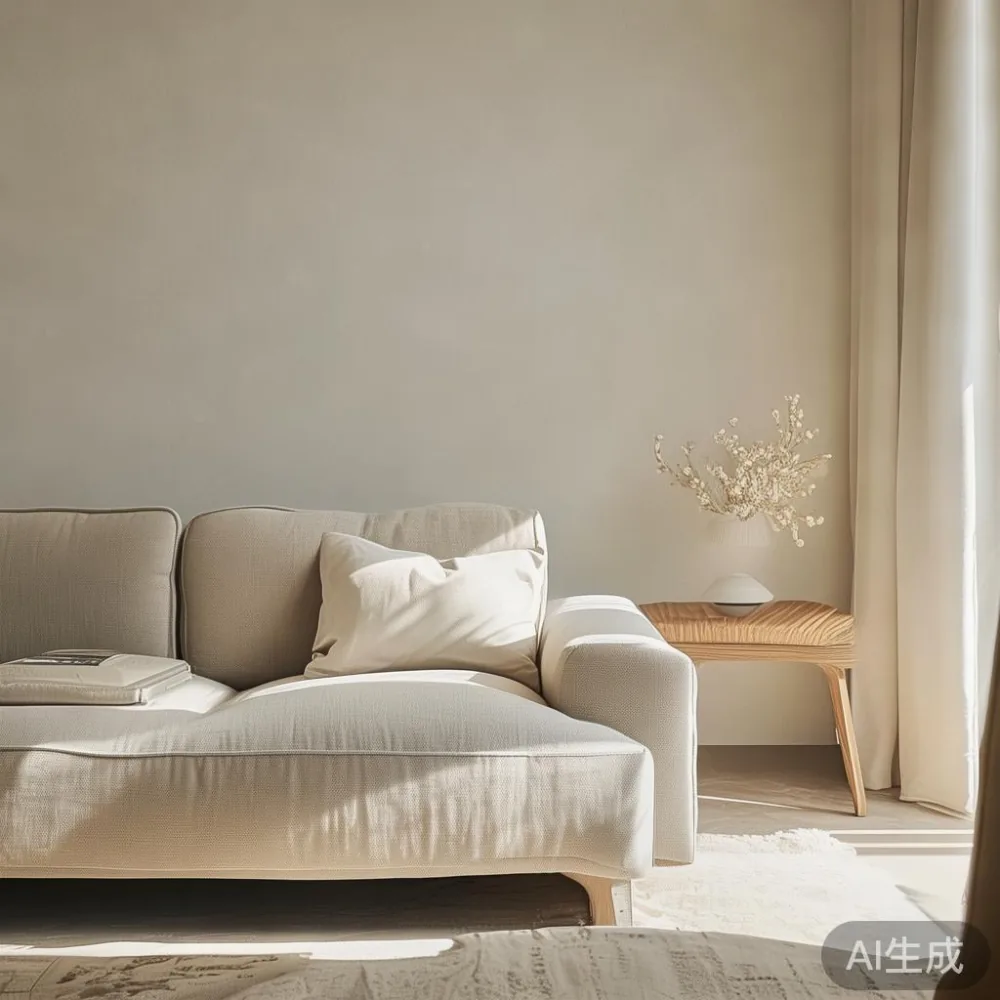
What does warm minimal actually mean in a 90 sqm HDB?
Warm minimal is the style that splits the difference between a stark white Scandinavian box and a maximalist teak-heavy Peranakan shophouse. The bones stay clean: low furniture, no carved ornaments, no skirting drama. The warmth comes from the material — honey oak, ash, or light walnut — and from a single accent colour per room. In a Singapore work from home context, that translates to three concrete moves: (1) one wood tone carried across the bed frame, the dining table, and the wardrobe so the eye reads one continuous floor; (2) one fabric colour on the solid wood sofa so the room doesn't fragment; (3) one metal accent — brushed brass on a marble table, or black steel on a floor lamp — repeated twice per zone.
Numbers help here. A 4-room HDB typically runs 90 sqm, with the master bedroom around 13 sqm and the living room 18–22 sqm. In that footprint, a 2.4 m dining table fits four people comfortably with 60 cm of pull-out space per chair, and a 1.8 m solid wood sofa leaves a 90 cm walkway to the TV console, which is the minimum a work from home setup needs for camera angles and walking past without tripping on a tripod.
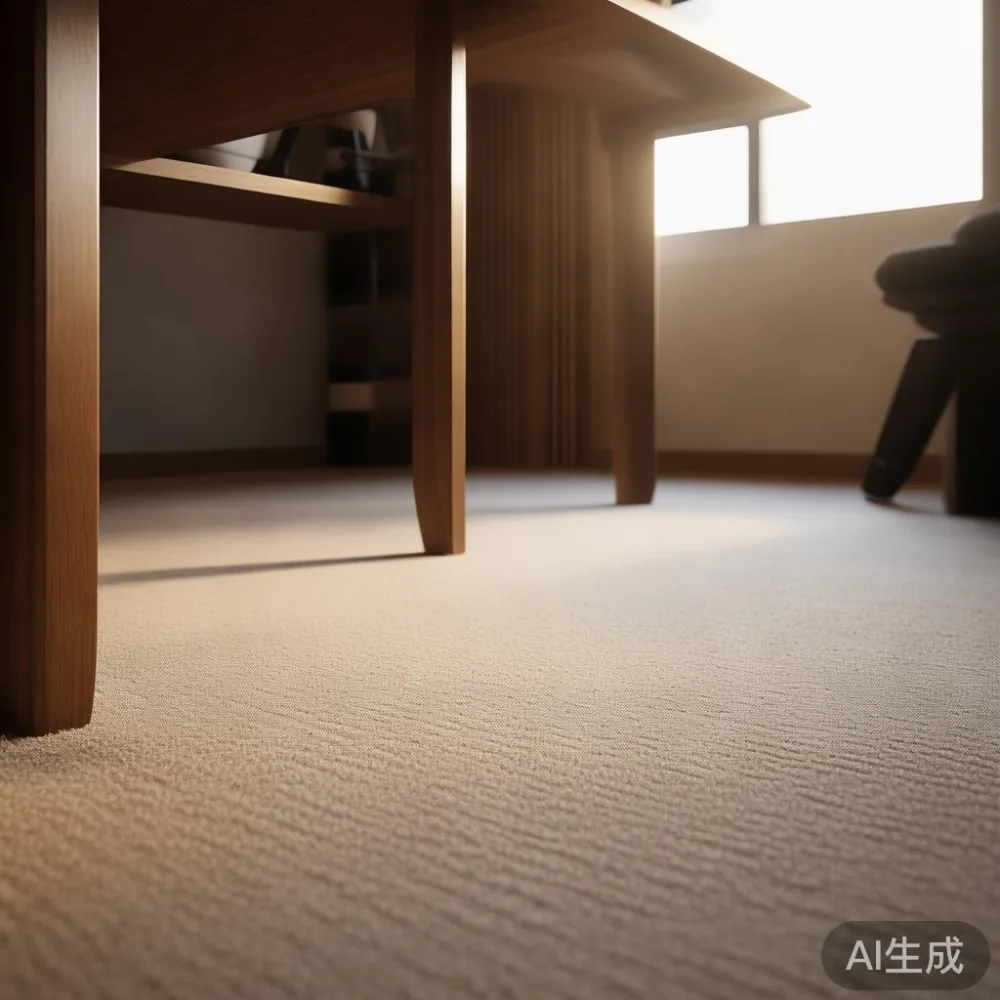
How do I choose the right wood tone for a small Singapore flat?
Hold a wood sample against your floor at 11 a.m. when the light is neutral. If your floor is the common compressed bamboo light grey sold across Tampines and Punggol BTOs, ash or white oak will disappear. If your floor is the slightly warmer teak laminate common in older resale flats, a quarter-cut walnut reads cleaner. Two rules I keep writing down for clients: pick the darkest wood in the room and go one shade lighter, not two. And match the undertones — a grey-brown ash against a yellow-brown teak floor always looks like a clash.
For pricing in SGD, a solid ash dining table for four (1.4 m) lands around S$1,450–1,800 before GST, while a 2 m walnut table for six sits at S$2,400–2,900. Most clients in the under 2000 Nordic furniture segment land on ash because it photographs cooler and pairs with cream boucle. For clients searching under 2000 French provincial furniture, the same budget usually means a painted oak with a brushed brass handle, which is a totally different visual temperature.
Is French light luxury or American light luxury the right pick for warm minimal?
This is the question I get most often from couples working from home in Punggol. French light luxury (sometimes called post-modern light luxury) leans on curved silhouettes, fluted details, and a single marble moment — usually on a 60 cm round marble table by the entrance or beside the sofa. American light luxury leans square, deep, slightly masculine, with thick cushions and chunky turned legs. Both fit warm minimal if you commit to one. Mixing a French curve with an American square sofa in the same 18 sqm living room usually reads as confused.
The practical difference for a work from home setup: French silhouettes photograph beautifully on Zoom calls because the curves catch ring light softly. American silhouettes give more lumbar support during long sitting sessions. If your desk faces a wall, the sofa behind you on camera does the visual work, so go French. If you actually use the sofa for two-hour reading breaks between meetings, go American. The light luxury sofa vs Nordic sofa question resolves the same way: the Nordic sofa is shallower (around 85 cm deep) and firmer; the light luxury sofa is deeper (95–100 cm) and softer. Choose by how long you sit, not by which Instagram post made you sigh.
Which pieces matter most in a work from home flat?
Five pieces carry 80% of the visual weight: the dining table, the bed frame, the solid wood sofa, the wardrobe, and the nightstand. In that order. The dining table is where your eye lands first when entering, the bed frame is the largest single plane, the sofa sets the seating tone, the wardrobe fills a full wall, and the nightstand is the only object you touch every morning. If you spend SGD 1,500–2,000 each on these five pieces, your warm minimal interior will look intentional even on a S$40 room renovation budget.
For the wardrobe, the conversation I have most often sounds like how to choose Mid-century modern wardrobe without ending up with a 1970s cabinet that swallows the wall. The trick: keep the door panels flat, skip the splayed legs (they eat into the 60 cm walkway beside the bed), and choose a slim 8 cm handle in brushed brass. A 2.1 m tall, 1.8 m wide three-door wardrobe in ash runs about S$2,100–2,600 landed in Singapore, including the lift-up delivery. MIDHILL's wardrobe line fits a 0.9 m crate width, which is the number that decides whether you get charged a second-trip fee by your mover.
Can a vintage-looking bed frame still feel warm minimal?
Yes, if the silhouette is one shape and the wood is one tone. The best Vintage bed for 2026 in a warm minimal HDB is a low-profile oak platform with a slightly arched headboard at 95 cm height — tall enough to lean against with two pillows, low enough that the ceiling height (2.6 m in newer BTOs, 2.4 m in older ones) doesn't feel crowded. Anything with cabriole legs or a tall tufted headboard tips into French provincial and stops being minimal.
A 1.5 m queen version of this bed lands around S$1,600–1,950; a 1.8 m king around S$2,000–2,400. A MIDHILL bed in this style uses a mortise-and-tenon join on the headboard posts, which matters because you will push, sit, and lean on that headboard 30+ times a week during your work from home wind-down. Solid wood matters here more than on a side table — a bed frame sees daily stress, and MDF joints in that price band tend to loosen by year three.
How should a nightstand and a marble table behave in this style?
The nightstand is where most warm minimal rooms fall apart. People buy a chunky two-drawer piece that visually weighs as much as the bed itself. The right scale: same wood as the bed frame, total height within 5 cm of the mattress top, depth 35–40 cm so it doesn't poke past the mattress line. A single drawer, no handle (push-to-open), or a slim leather pull. Around S$280–420 each.
The marble table is the single place you can break the wood rule. A 55 cm round marble table with a brass cross base beside the sofa gives the eye a cool surface to rest on. In Singapore's humidity, choose a sealed or honed marble rather than polished — polished shows water rings from cold water glasses within a week. Honed Carrara at 55 cm diameter runs S$520–780, which is the upper end of a nightstand budget but lasts 20+ years.
What about delivery, warranty, and the boring logistics?
A few numbers my colleagues in the moving trade keep repeating: HDB lift cabin weight limit is typically 1,000 kg for a 1.5 m cabin, lift door height is 2.1 m, and corridor turns can eat 20–30 cm off your usable diagonal. Any piece taller than 2.0 m or wider than 1.6 m needs to be confirmed against your specific block. MIDHILL's standard Singapore deliveries take 14–18 working days by sea to Tanjong Pelepas plus local trucking, and the 10-year structural warranty covers joinery defects (loose tenons, cracked rails, warping over 6 mm). They also offer lifetime refinishing, which in our climate means a lot — solid ash weathers visibly after four years of daily sun through east-facing windows, and a S$180 refinish in year five is cheaper than replacing a S$2,000 wardrobe.
Returns within 14 days are standard for unused pieces in original crate. GST is added at checkout at 9%, and free shipping over US$350 is meaningful here — a single dining table at S$1,800 easily clears that threshold, so you save the typical S$80–120 local delivery fee. For work from home buyers furnishing in stages, ordering by room (dining first, then bedroom, then living) spreads the cash flow and means each room is usable within 18 days rather than waiting on a full house.
Putting the room together without a designer
One last piece of practical advice from last month's Tampines visit. Tape out the footprint of every piece on the floor with painter's tape before you order. A 2.4 m dining table feels huge on a website and modest in a 22 sqm living-dining area. Walk the taped shape, sit on a chair in the taped dining room, place your laptop in the taped work from home corner. Twenty minutes of taping saves S$300–500 in re-delivery fees and a year of visual regret. The furniture only works if it works for the room you actually live in, not the room in the catalogue photograph.