Keeping Lacquered Furniture Well in a Tropical Work-From-Home
Singapore’s warm, humid climate can be demanding on lacquered furniture. Afternoon sun, condensation from an air-conditioned room, open HDB windows and salty coastal air all affect furniture differently. This guide explains how to care for lacquered surfaces while keeping a work from home setup comfortable, using measurements and routines suited to Tampines, Bedok and Punggol flats, as well as larger condos.
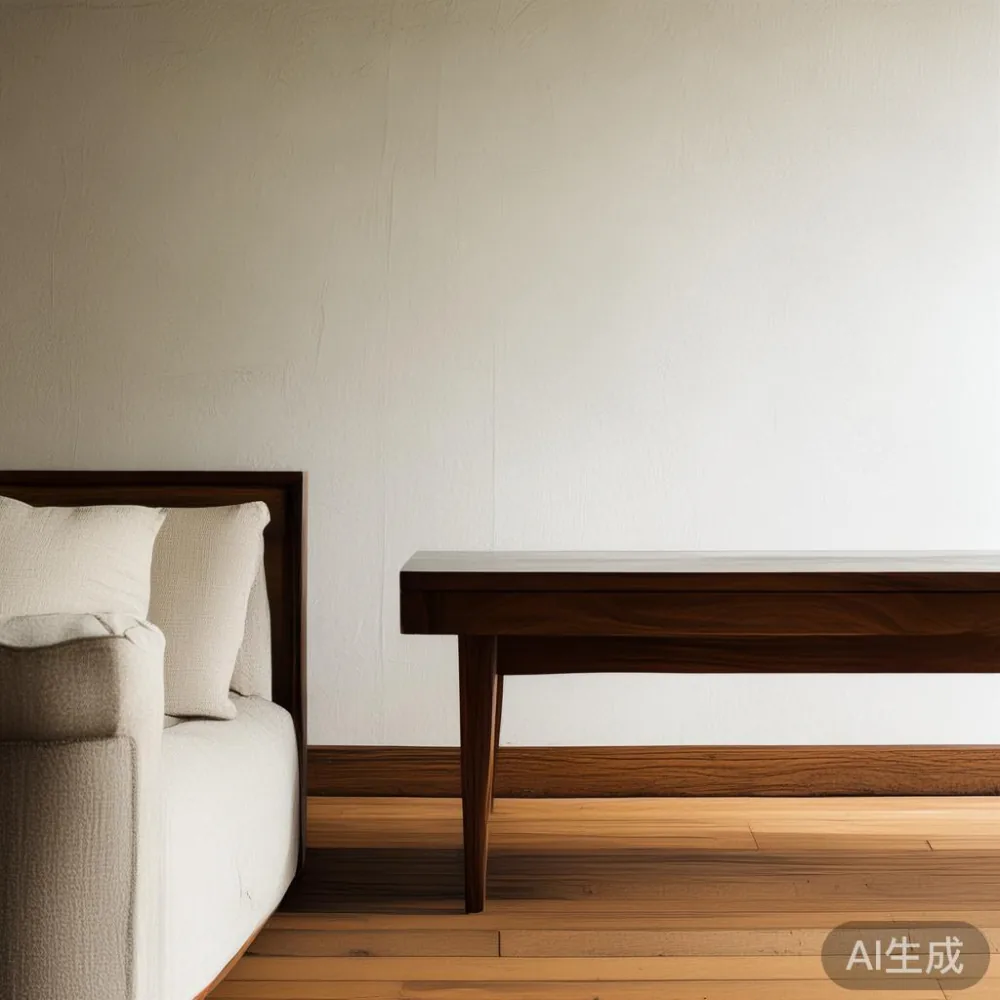
A lacquered finish can give a solid wood sofa, bed frame, dining table, wardrobe or nightstand a polished appearance with fewer visible wood pores. It also needs a disciplined maintenance routine: lacquer is not impervious, and standing water or high humidity can cause clouding, blistering or joint movement. MIDHILL builds furniture in Foshan, where humid conditions are a useful test environment for the care methods described below.
Why does lacquer need special care in Singapore?
Singapore’s relative humidity commonly ranges from roughly 65% to 85%, while daytime outdoor temperatures can reach 31–34°C. A west-facing HDB unit in Bedok may receive direct sun from about 11 a.m. to 5 p.m.; a Punggol condo balcony can contribute dampness after rain even when the living room feels dry.
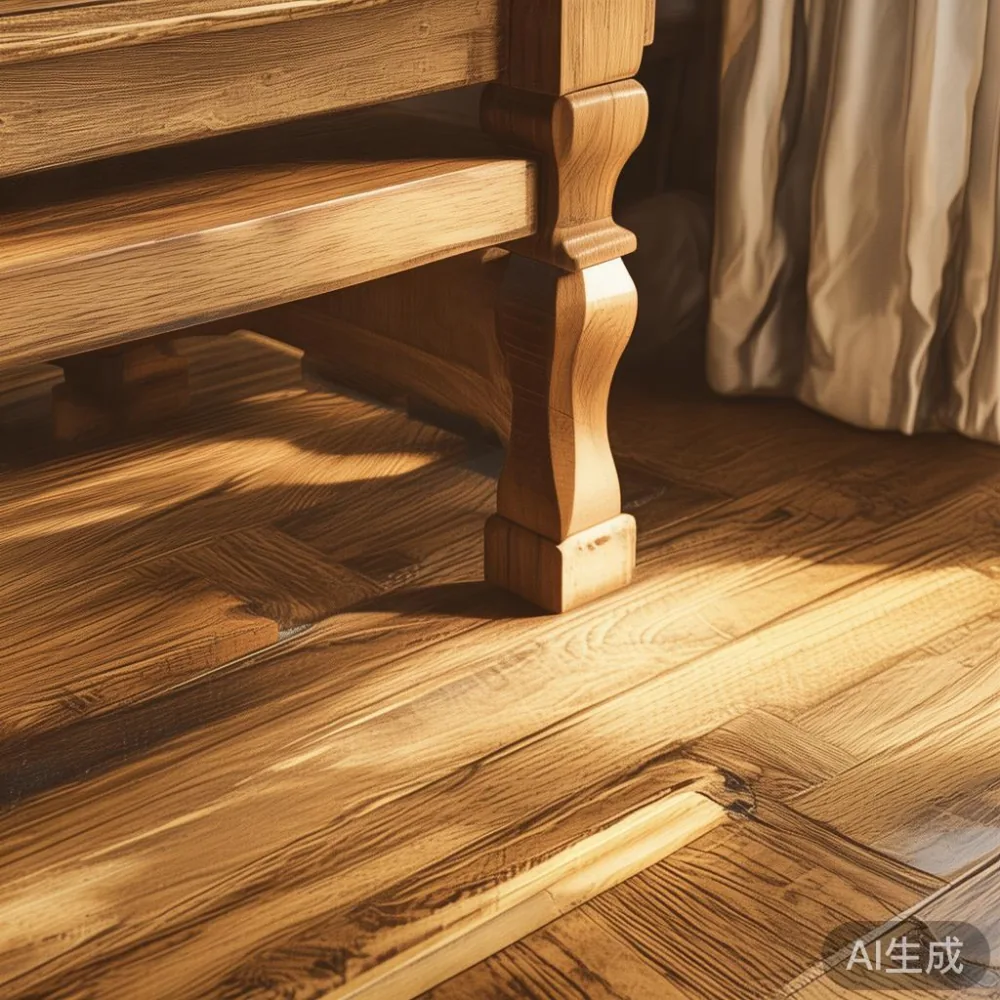
Lacquer is a thin coating applied over wood or another engineered layer. The wood beneath it continues to expand and contract as moisture changes. Repeated moisture cycles can stress the coating around edges, seams and joints. A dining table near an open kitchen window, for example, may see humidity spikes within 10 minutes of cooking, while a work from home desk beside an air conditioner may be exposed to repeated cool-air flow.
Unlike a completely untreated timber surface, lacquer does not absorb moisture as quickly. That makes routine wiping important, because dirty water can carry salts and grit across the finish. It also makes early attention worthwhile: a dull mark noticed after 3 days is easier to address than one left for 3 months.
What should I use to clean a lacquered surface?
Use a soft, lint-free microfibre cloth, a bowl of lukewarm water and a small amount of mild dish soap. For routine cleaning, mix about 1 teaspoon of detergent with 500 ml of water. Dampen the cloth rather than spraying the furniture; the cloth should not leave visible beads. Wipe in the direction of the grain, then use a second dry cloth to remove residue.
Test the mixture on a concealed 10 cm × 10 cm area for 24 hours. Do not use ammonia, bleach, acidic glass cleaner, vinegar, alcohol-based solvents, abrasive powder, silicone polish or wax unless the lacquer manufacturer explicitly permits them. These products may change gloss or soften the coating.
Do not use ordinary spray cleaner directly on a lacquered surface. Overspray can enter joints, staining cushions and creating a tacky film. Place newspapers beneath a dining table or nightstand before cleaning if you cannot move the item easily. For a work from home desk, remove laptops, chargers and books first, and keep at least 30 cm of clear space around the item.
Clean spills promptly. For an 8 cm spill, blot immediately with a dry cloth, then wipe with the diluted detergent solution. Never rub a mark in circles, because that can create a cloudy patch. Avoid placing damp coasters, potted plants and condensation under a cooler or closed laptop directly on the finish.
How often should I care for lacquer in a tropical climate?
A practical schedule is more useful than occasional heavy cleaning. Dust high surfaces weekly, including the top of a wardrobe, the headboard of a bed frame and the narrow ledge above a work from home desk. Clean touch surfaces every 2–4 weeks. Inspect items near windows monthly for dampness, insects and condensation marks.
Check humidity with a small digital meter. Ideally, keep indoor relative humidity between 45% and 65% where possible. Singapore’s outdoor conditions often exceed that range, so ventilation and controlled air conditioning matter more than chasing a perfect reading. Keep lacquered furniture at least 30 cm from an open window if rain is blowing sideways, and about 60 cm from a sliding door that remains open throughout the day.
Do not place a lacquered wardrobe directly against a wall that stays cold from an air conditioner. Allow 3–5 cm of ventilation space at the sides and rear, especially in a compact HDB bedroom. This reduces trapped humidity around the back panel and top edge.
How do I protect a lacquered dining table from heat and spills?
Heat is one of the common causes of lacquer damage. A dining table should not carry a hot pan straight from the hob. Even a 100°C pot base can leave a ring, soften the finish or create a visible ripple. Use a heat-resistant trivet with at least 25 cm of clearance from the flame and never leave a hot vessel on the table for more than 2 minutes.
Use placemats and coasters that do not have rough rubber undersides. Coasters should be at least 8 cm across for a typical water glass, and you should lift glassware rather than drag it across the lacquer. Wipe condensation from bottles and cans every 2 hours during humid periods.
For a solid wood dining table, pay attention to the edges. Lacquer tends to wear faster along an exposed front edge where sleeves and hands repeatedly rub. A reversible mat can protect the centre during lunch, but leaving a closed mat in place can trap humidity. Fold it away after each use and wipe underneath every 2 weeks.
If you are comparing furniture for an open-plan condo, search for “French provincial TV console” measurements when considering a nearby low cabinet, then make sure its finish is compatible with the lacquer sheen of the dining table. Matching sheen is useful, but stable support and correct spacing matter more than perfect colour matching.
How should I care for a lacquered bed frame and work-from-home area?
A lacquered bed frame should be kept away from direct afternoon sunlight and damp laundry. In a compact HDB flat, a line-drying rack may sit close to the bed because space is limited. Leave a gap of at least 60 cm, or relocate wet laundry to the balcony only when winds are light and rain is not approaching. A damp bedsheet can raise local humidity around the headboard by 10–20%.
Vacuum the frame every 2 weeks using a brush attachment with suction reduced to avoid lifting the lacquer. Follow with a lightly damp cloth along rails and ledges. Do not clean the headboard with a dripping cloth; excess water may run behind the panel and into joints.
For a work from home setup, place a lacquered desk or dining table where it does not receive glare from a monitor for more than 4 hours a day. UV-filtering blinds can reduce direct exposure while preserving daylight. Position the desk at least 75 cm from a floor fan so that dust is not blown continuously against the surface. Cleaning cloths should be washed without fabric softener and left to dry fully.
Careful planning also helps when selecting a bed for a Singapore bedroom. A useful guide to how to choose American bed should include the mattress size, room dimensions and ventilation needs, not merely style. For compact rooms, measure the bed frame and confirm that a 60 cm-wide passage remains on at least one side where possible. Lift corridors and HDB lift doors may limit the largest carton, so check the furniture dimensions before delivery.
What is the best way to remove marks without damaging lacquer?
Start by identifying the mark. A dust smear usually disappears after one pass with a dry microfibre cloth. A water ring requires more care. Place a clean cotton cloth over the mark and warm it gently with a hairdryer set to low, keeping the dryer at least 20 cm away. Move it continuously for 30 seconds, then allow the surface to cool for 10 minutes before wiping lightly.
Never use direct heat for more than 2 minutes or test a hidden area first. High heat can alter lacquer colour or make a repaired patch obvious. For sticky residue, use a barely damp cloth with the mild detergent solution, then dry immediately. For scratches, resist the temptation to sand them. A 400-grit sheet can flatten the surrounding coating and create a repair larger than the original 2 cm scratch.
Small chips should be handled through the furniture maker. A matching lacquer touch-up needs the correct colour, sheen and application process. MIDHILL offers lifetime refinishing on eligible pieces, which provides a route for assessing damage or changing the finish without automatically replacing a structurally sound item.
Do not press labels or tape onto lacquer. Adhesive can pull away the top layer, much like removing a sticker from a painted door. Use a cable tie or a reusable hook fixed to a nearby wall instead. Keep keys, coins and metal tools in a tray with a felt or cork base.
Can a marble table be protected beside a lacquered work from home desk?
A marble table and a lacquered desk may complement each other, but they require different care. Marble is porous and vulnerable to acidic spills, while lacquer reacts to solvents, heat and standing water. If both are used in the same work from home zone, keep separate cloths and coasters for each surface.
Wipe marble with neutral water and dry it promptly. Do not use vinegar, lemon or acidic cleaner. For lacquer, follow the diluted detergent method above. A coaster should also protect marble from heat and staining, ideally measuring 10 cm × 10 cm for a mug and larger for a hot bowl.
Consider how the pieces sit visually. European light luxury often uses pale woods, curved profiles and refined metal details, while Nordic design favours clean lines and pale natural finishes. Comparing European light luxury sofa vs Nordic sofa is useful for proportion, but a working desk should also provide leg clearance of at least 65 cm and enough depth for a 60 cm monitor. In a condo dining zone, allow 90 cm between a chair back and the wall for circulation.
How should furniture be moved through HDB corridors and condo lifts?
Measure before ordering, because a well-finished item can still be damaged during delivery. Record the width of the HDB door, corridor turns, lift door and lift cabin. For example, a lift door opening of 80 cm cannot accept a boxed bed frame wider than 78 cm after allowing for protective corners and handling.
Ask the supplier for the packaged dimensions, not only the assembled dimensions. A solid wood sofa may arrive in separate sections to fit through a 75 cm doorway. Check whether stair handrails, ceiling pipes and fire doors reduce clearance by another 5–10 cm. For a condominium, obtain the loading bay hours and reserve the service lift where required.
Keep the item in its protective packaging until it reaches the room. Lift rather than drag it across tile, and use moving blankets around lacquered corners. On stairs, use at least 2 people for a panel weighing more than 25 kg. Remove doors and drawers where possible to reduce weight and prevent them from swinging.
Before delivery, measure the intended position. A bed frame needs roughly 5–8 cm beyond the mattress on each side where space allows, while a wardrobe normally requires 3–5 cm at the back for ventilation. Confirm that skirting boards and power sockets will not prevent the furniture from sitting level.
Does light luxury change how I should maintain lacquer?
French light luxury, American light luxury and post-modern light luxury can all use restrained finishes, yet the visual effect depends on surface consistency. Fine sheen, straight reflections and uninterrupted colour make every cloud, scratch and fingerprint more noticeable. Maintenance therefore supports the design as much as it protects the material.
A pale lacquered wardrobe, for example, may show yellowing differently from a deep brown finish. Keep it away from tobacco smoke, cooking fumes and direct sun. A solid wood sofa with lacquered arms should be vacuumed without pressing the brush too hard into the grain. For a nightstand, clear items every evening so condensation does not remain beneath a laptop or cup overnight.
For European-inspired apartments, storage planning matters. Search for how to style European bed in apartment layouts, then assess whether the frame suits a 10 m² HDB bedroom or a 15 m² condo room. A visually calm frame can still perform poorly if it blocks airflow or leaves no route around one side.
When comparing the best American bed for 2026 for a tropical apartment, consider slatted support, moisture management and finish care alongside appearance. Also assess whether is European sofa worth it by looking at foam density, frame construction, removable covers and how closely the arms sit to the lacquered wood. A light luxury shape should remain usable after a humid night, not merely photograph well on delivery day.
What should I do if lacquer begins to swell, crack or lift?
Stop using abrasive or solvent cleaners. Isolate the area, keep it dry and photograph the damage under daylight. A 3 mm lift at a corner may indicate moisture beneath the coating, while fine parallel cracks may come from repeated expansion or impact. If the affected area exceeds 10 cm, contact the manufacturer rather than applying another product.
During a 24-hour damp period, remove nearby cushions and papers, improve ventilation and run air conditioning if available. Do not aim a hairdryer at a swollen area; heat can worsen the separation. Keep drinks and plants away until the surface is dry.
Check the product warranty and the maker’s care instructions. MIDHILL provides a 10-year structural warranty on eligible furniture, while lifetime refinishing applies to qualifying finishes and terms. These cover appropriate claims, but spill damage, chemical cleaners and poor placement may fall outside them. Accurate care is what allows the finish to remain attractive over 5, 8 or 10 years.
How can I build a low-maintenance care routine?
Keep a 500 ml spray bottle of mild detergent solution, 2 clean microfibre cloths and a soft brush near the cleaning supplies, but store them away from children. Keep one cloth for lacquer and another for marble or other materials. Launder them every 2 weeks without fabric softener.
Use a 30-minute Sunday routine for a work from home area: clear objects, vacuum, wipe the lacquer and inspect edges. Once a month, check window seals, air-conditioner drip trays and nearby plants. Replace a damp coaster or felt pad rather than reusing it after a spill. Keep a small flashlight on hand for inspecting gaps and joints.
These habits matter in Singapore because temperature and moisture change continuously. Stable placement, gentle cleaning and quick spill response preserve the finish without turning furniture care into a daily chore. The goal is a room that remains comfortable to use from 8 a.m. to 9 p.m., with surfaces that still look refined after years of tropical living.