What Drives the Price of Solid Wood Furniture in Singapore (And What Most Buyers Overpay For)
I spent last Saturday at the MIDHILL showroom in Foshan, walking aisle after aisle of solid wood sofa frames, bed frames, dining tables, wardrobes, nightstands, and marble-topped side tables, and one question came up from nearly every Singaporean buyer I spoke to on video call that afternoon: why does the same-looking solid wood piece cost SGD 1,400 in one shop and SGD 4,200 in another? After three hours of pulling out drawers, tapping panels, and quizzing the factory manager, I had an answer that explains roughly 80% of the price difference. This article breaks down what actually drives the price of solid wood furniture, with a focus on work from home setups in HDB flats and condos across Tampines, Bedok, and Punggol, where lift dimensions, corridor widths, and the 9% GST all conspire to make the wrong purchase painfully expensive.
Is "solid wood" actually solid all the way through?
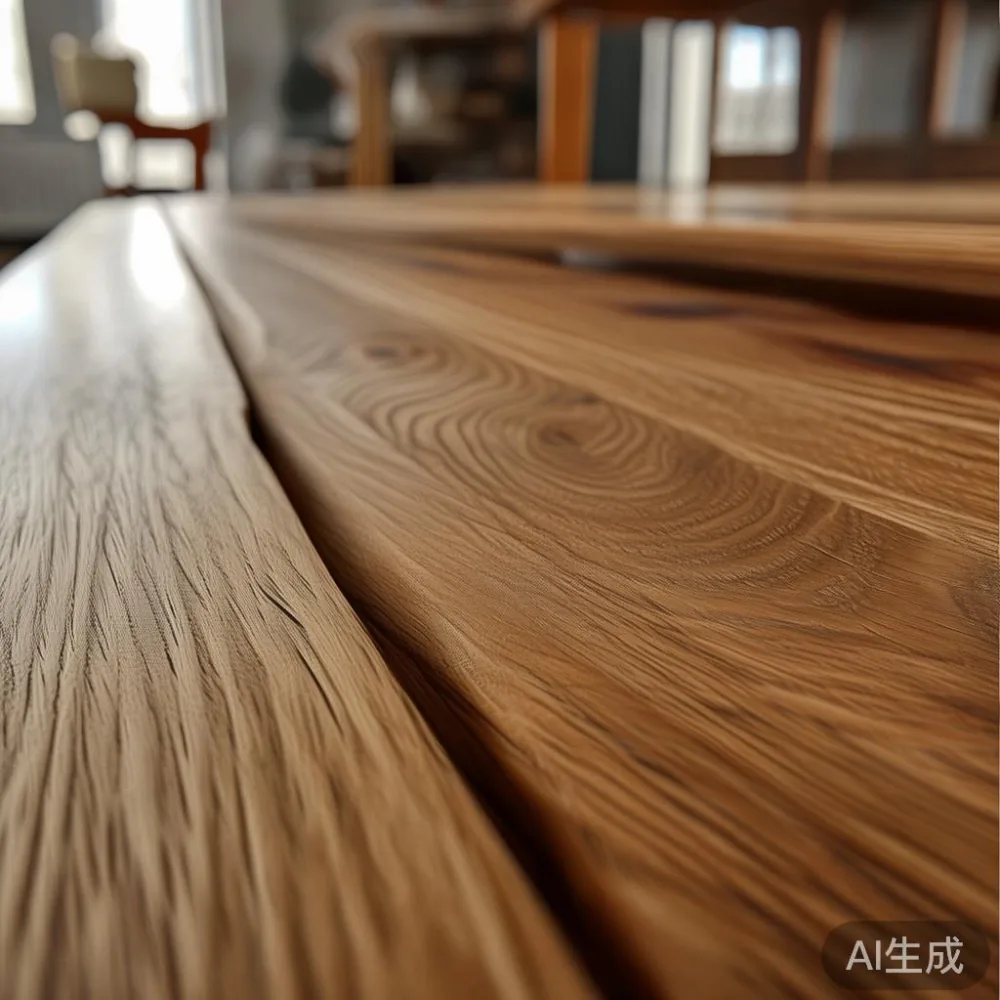
This is the single biggest price driver, and the one buyers in Singapore most often get wrong. The phrase "solid wood" legally covers three very different constructions in Foshan factories, and the price gap between them is staggering.
True solid timber, where the whole board is one species of wood, costs the most. A 1.8m dining table in old-growth ash or North American white oak can run SGD 3,800 to SGD 6,500 before shipping. The wood itself is heavy, typically 60-85 kg for that size, and dense enough that it resists dents and seasonal movement.
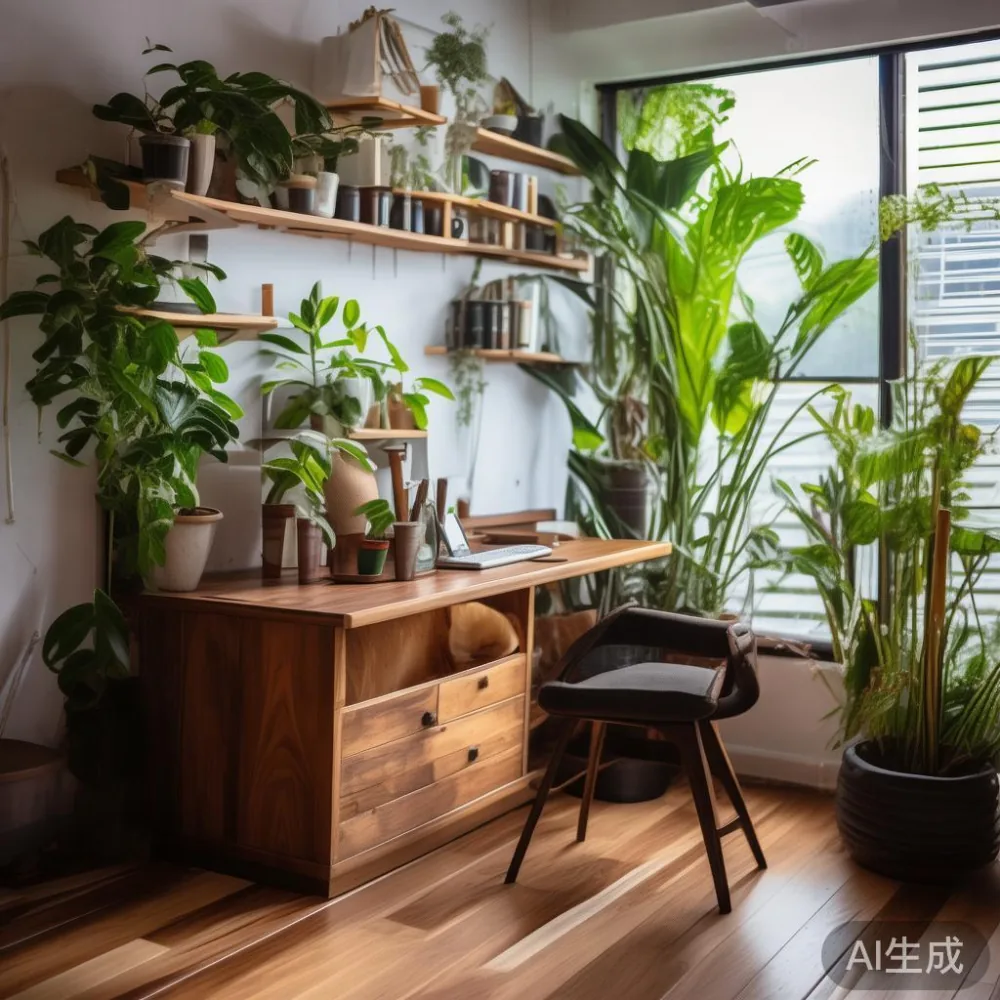
Rubberwood, which is what most Singapore HDB owners actually receive when they order a "solid wood" dining table at SGD 1,200, is plantation-grown Hevea brasiliensis, usually harvested at 25-30 years. It is genuinely solid, but the fibres are softer, the boards are lighter (around 35-45 kg for a 1.8m table), and the timber has already given up its latex. That is why the same shape table can be 60-70% cheaper without anyone lying to you.
Then there is the category most buyers never see on the spec sheet: engineered wood with a solid wood veneer. A 2cm MDF or plywood core wrapped in a 0.6mm oak or walnut veneer performs well for a wardrobe or a work from home desk, but it cannot be refinished the way a true solid wood bed frame can. If a salesperson cannot tell you the substrate, walk away.
Which wood species is in the piece, and where did it grow?
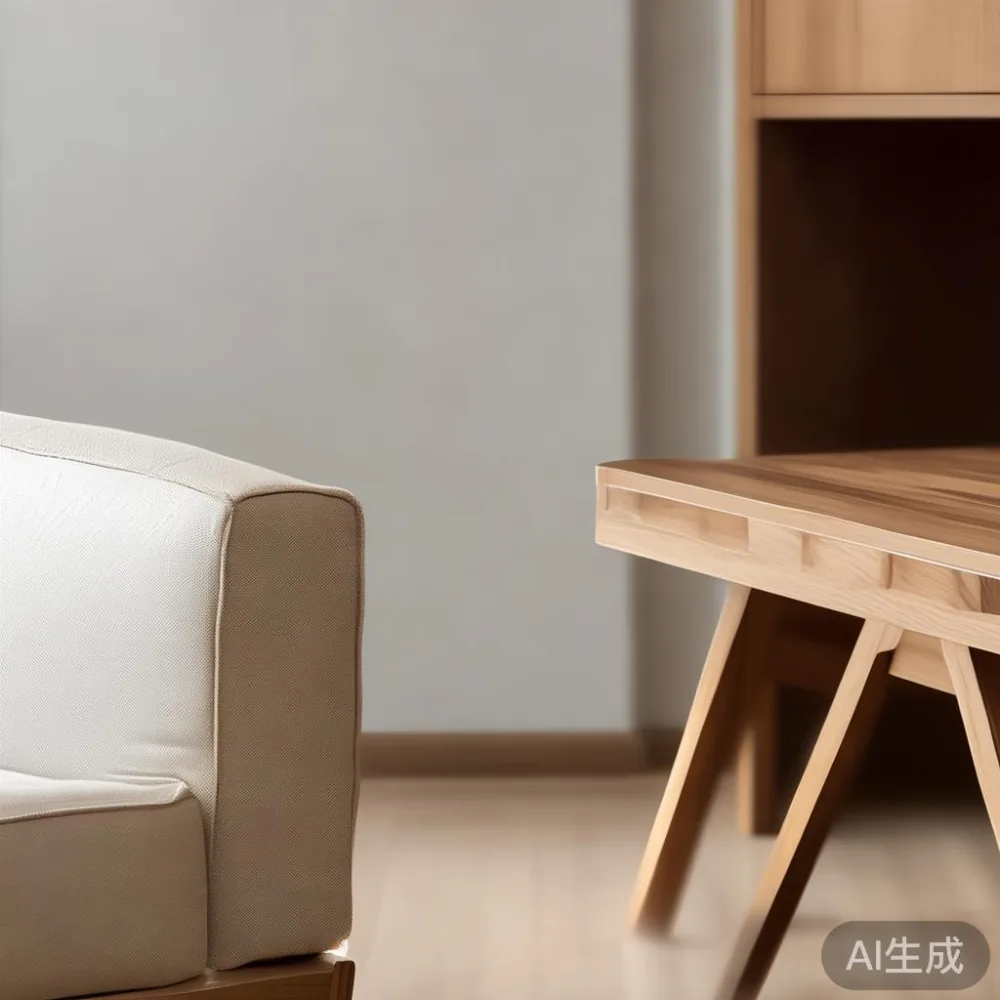
Species matters as much as construction. Ash, white oak, walnut, and teak sit at the top of the price ladder. Rubberwood, acacia, and poplar sit at the bottom. The reason is not just aesthetics. It is growth time and board yield.
A mature white oak in the American Midwest takes 60-80 years before it is large enough to mill into 4cm thick tabletop slabs. The current Foshan ex-works price for kiln-dried white oak lumber runs roughly RMB 9,000-13,000 per cubic metre, while rubberwood sits around RMB 3,500-4,500 per cubic metre. That is a 2.5-3x spread before any labour, finishing, or freight is added. For a dining table that uses around 0.12 cubic metres of finished timber, the raw material gap alone explains SGD 700-1,200 of the retail price difference.
Origin matters too. European beech and American ash have tighter, slower growth rings than fast-rotation Chinese pine, which means fewer knots, more consistent colour, and better stability in Singapore's 28-32°C, 80%+ humidity climate. This is why a French light luxury dining table made from European beech often feels more refined under the hand than a same-shaped Chinese pine piece at half the price. The wood simply grew longer.
What does the joinery and hardware actually cost?
Open the drawer of a SGD 2,200 nightstand and then open the drawer of a SGD 6,800 nightstand. The hardware tells the story. Mid-market pieces use cam-lock fittings, plastic dowels, and zinc-plated screws that strip within three years. Premium pieces use mortise-and-tenon, dovetail, or concealed soft-close runners from Blum or Hettich, rated for 100,000+ cycles.
For a four-door wardrobe, upgrading from basic roller runners to soft-close runners costs roughly SGD 180-280 at the factory level, and that is before the labour to install them properly. A solid wood bed frame with through-tenons and wood-on-wood pegs takes an experienced carpenter around 6-8 hours to assemble by hand, versus 45 minutes with bolts and barrel nuts. That labour shows up in the price, and it is also why a properly joined bed frame will not creak in year seven when your work from home meetings start early in the morning.
Glue, finish, and sanding compounds add another 8-12% to the cost. Water-based polyurethane looks beautiful and is low-VOC, which matters in a 92 sqm Punggol Build-to-Order flat with limited cross-ventilation. The cheaper alternative, acid-catalysed lacquer, is faster to apply but off-gases for months. If the price feels too good, the finish is usually where the corners get cut.
How do shipping, lifts, and Singapore access shape the final bill?
This is where most online buyers get ambushed. A 1.8m solid wood dining table in a flat-pack box might weigh 65 kg and measure 188cm long, 95cm wide, and 18cm tall. That fits neatly into most HDB service lifts, which typically have internal dimensions of around 150cm depth by 200cm height by 110cm width. But a fully assembled marble table or a 2.2m wardrobe often does not.
I learned this the hard way helping my colleague move into her new Bedok condo last month. The lift opening was 80cm wide, the corridor was 1.4m at its narrowest, and the assembled dining table we had bought was a non-starter. We had to pay SGD 240 for a second courier to bring it back, disassemble, flat-pack, and re-deliver. Had we ordered from MIDHILL, where flat-packing is standard for orders over US$350 and crating is included for marble tops, we would have avoided that mess.
Sea freight from Foshan to Singapore takes 12-18 days for LCL (less than container load) and 8-10 days for FCL (full container). Air freight cuts that to 4-6 days but adds roughly SGD 4-7 per kilogram. For a single bed frame around 45 kg, sea freight is around SGD 95-140 door-to-door. For an entire five-piece work from home package weighing 280 kg, sea freight drops to around SGD 2.10 per kilogram, which is why bundled orders almost always deliver better value. Add the 9% GST on the landed value, plus a typical SGD 60-120 lift-and-carry fee if your block does not have direct loading access, and the delivered-to-room cost can easily be 18-25% above the quoted ex-works price.
Does design language and brand positioning affect what you pay?
Yes, and it is the most overlooked factor. American light luxury, French light luxury, and post-modern light luxury all sit in similar price tiers on the showroom floor, but they use very different wood species, finishes, and proportions. American light luxury tends to feature white oak, blackened walnut, and clean shaker lines on a bed frame. French light luxury leans into European beech with brass or bronze hardware and softer, scrolled silhouettes on a dining table. Post-modern light luxury combines matte lacquered fronts with stone or marble tables and floating wardrobes with concealed storage.
If you are kitting out a work from home study in a 1,200 sqft Punggol condo, an American light luxury desk paired with a Japandi bed in the bedroom often looks more coherent than mixing a heavy French-style dining table with a minimalist Scandinavian sofa. Many buyers searching wholesale Modern light luxury furniture suppliers in Foshan actually want this exact mix, and finding a factory that can produce all three styles in matching species and finishes saves a lot of mismatched colour in the long run.
This is also where the "top 10 light luxury furniture" listicles get misleading. They rank factories by aesthetic, not by what is inside the frame. A solid wood sofa with a kiln-dried hardwood frame and sinuous-spring suspension is functionally a different product from a solid wood sofa with rubberwood framing and webbing, even if the photos look identical. Always request the frame species, the joinery method, and the suspension type in writing.
Why do work from home buyers in Singapore keep choosing the wrong spec?
Because the spec sheet is engineered to confuse. I have now read dozens of Foshan factory quotes on behalf of friends, and the standard format lists dimensions, finish colour, and a vague "solid wood construction" line that tells you almost nothing. The three numbers that actually matter are: substrate (solid timber vs. plywood with veneer), joinery (mortise-and-tenon vs. dowel vs. cam-lock), and finish type (water-based PU vs. NC lacquer vs. acid-catalysed).
If you are furnishing a work from home setup across a living room, study nook, and bedroom, and you want everything to share the same wood tone, ask for a single species across the sofa frame, bed frame, dining table, and nightstand. Modern light luxury for dining room sets built around European beech or North American ash tend to age gracefully, while mixed-species packages often drift in colour within 18-24 months. A practical shortcut is to choose a Modern light luxury with storage wardrobe in the same factory run as your bed frame, so the grain, the stain, and the lacquer batch all match.
For bedroom pieces specifically, anyone Googling how to choose Japandi bed will find hundreds of articles about headboard shape and platform height, but almost nothing about timber stability in tropical humidity. The honest answer is that Japanese-inspired low platform beds in solid ash or oak handle Singapore's climate far better than MDF-and-veneer alternatives, and a 10-year structural warranty from a manufacturer that has been operating since 2008 is worth real money when the next humid season hits.
What should you actually pay for a solid wood package in Singapore?
After spending a full day at MIDHILL's workshop and talking through numbers with their export manager, here is a rough landed-in-Singapore benchmark for an entry to mid-range solid wood package, ex-showroom, delivered to your flat, including GST:
1. Solid wood bed frame (queen, ash or rubberwood, slatted base): SGD 950-1,800. White oak version: SGD 2,400-3,600.
2. Two solid wood nightstands: SGD 480-720 for rubberwood, SGD 1,100-1,600 for ash or oak.
3. Six-seater solid wood dining table (1.8m, ash): SGD 2,200-3,400. Marble table version with sintered stone top: SGD 3,800-5,500.
4. Four-door wardrobe (2.2m, ash or oak with soft-close): SGD 2,800-4,200.
5. Three-seater solid wood sofa frame with cushions: SGD 2,400-4,000. Premium down-blend cushions push it past SGD 5,000.
For a complete five-piece work from home package totalling roughly 350 kg, expect landed shipping of SGD 700-1,050 by sea, lift-and-carry of SGD 80-150 in most HDB blocks, and SGD 280-520 in GST on the full CIF value. A sensible total budget for a coherent solid wood package in ash or rubberwood, delivered and assembled in a Tampines or Punggol flat, sits between SGD 8,500 and SGD 14,000. If a quote lands 30% below that, something is being cut. If it lands 40% above, the brand premium is paying for showroom rent, not better wood.
What does a good warranty and after-sales policy actually look like?
Read the warranty before you read the price tag. A 10-year structural warranty on a solid wood bed frame or wardrobe covers frame failure, joint separation, and timber cracking under normal residential use. It does not cover finish wear, water damage, or humidity-related movement above 2mm across a 2m panel. Lifetime refinishing is the second number to look for, because no other surface in your home takes the same punishment as a dining table or work from home desk. A factory that offers lifetime refinishing for a fee of SGD 280-450 per piece is signalling that the wood underneath is genuinely solid and can be sanded back.
Returns matter too. A 14-day return window with the factory paying return shipping on defective items is the bare minimum I would accept for a SGD 5,000+ order. Refund timelines should be spelled out: 7-10 business days after the item reaches the warehouse is reasonable. Anything slower is a red flag.
What is the single most useful question to ask before paying?
Ask for the species, the substrate, the joinery method, and the finish type, in writing, on the proforma invoice. If the salesperson hedges on any of those four, the price is not actually comparable to anything else in your shortlist. When the answers come back clean and the warranty is a real 10 years on structure with lifetime refinishing available, you are looking at a factory that has nothing to hide, which in the solid wood furniture trade is rarer than most buyers realise.
For Singapore buyers working through a work from home renovation in Tampines, Bedok, or Punggol, the smartest move is to consolidate one solid wood package from a single exporter, ship it by sea, and budget for the lift access constraints before you fall in love with a 2.4m wardrobe that will not fit through a 1.1m corridor. Send your floor plan, your lift dimensions, and your shortlist to midhillco@gmail.com with the subject line "Singapore WFH package", and the export team will spec-check access and propose a coherent five-piece set before you commit a single dollar.