What to Check Before Buying a Sofa You Cannot Sit On
A sofa you cannot sit on sounds absurd, but it is a familiar sight in Singapore’s work-from-home homes. The piece looks convincing in a catalogue, fits the dimensions listed online, and seems to solve the problem of giving both a home office and a living room one finished appearance. Then the lift doors close around it, a corridor corner rejects it, or the sofa’s seat turns out to be too soft for a full working day.
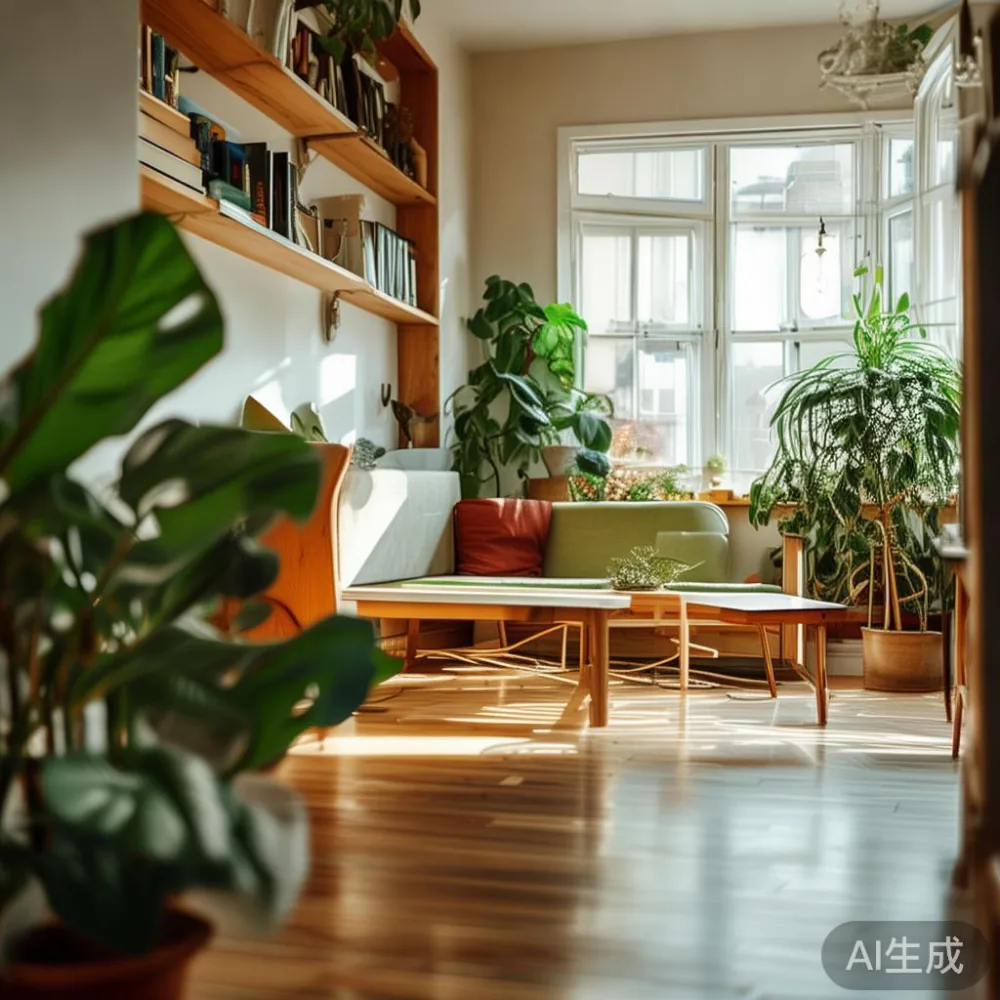
The answer is not to reject upholstered furniture. It is to check the sofa as a piece of architecture before treating it as décor. Lift access, corridor turns, doorway width, seat support, material dimensions, and delivery route all matter. This guide explains what to check before buying a sofa you cannot sit on, with particular attention to HDB flats and condos in Tampines, Bedok, and Punggol.
For Singapore buyers comparing French light luxury, American light luxury, or post-modern light luxury, visual restraint alone is not enough. A pale oak frame, neutral linen, and slim legs can still produce an impractical sofa. MIDHILL’s solid wood construction is useful only when the dimensions, load capacity, and access route are specified and confirmed.

Why is a sofa for work from home so difficult to buy?
<A sofa for work from home must perform two jobs. It receives visitors in the evening and supports a laptop, documents, meals, and posture during the day. That combination often requires a firmer seat, a stable back, and an arm depth that suits both relaxation and temporary desk use.
Many decorative sofas prioritise a low, cloud-like profile. Those designs may be comfortable for 30 minutes but tiring during a 4-hour video call. Before ordering, test the sofa with the cushion fully compressed rather than lightly touched. Sit upright for 15 minutes with a laptop on a table or lap desk, then check whether your shoulders rise, your lower back rounds, and your hips slide forward.
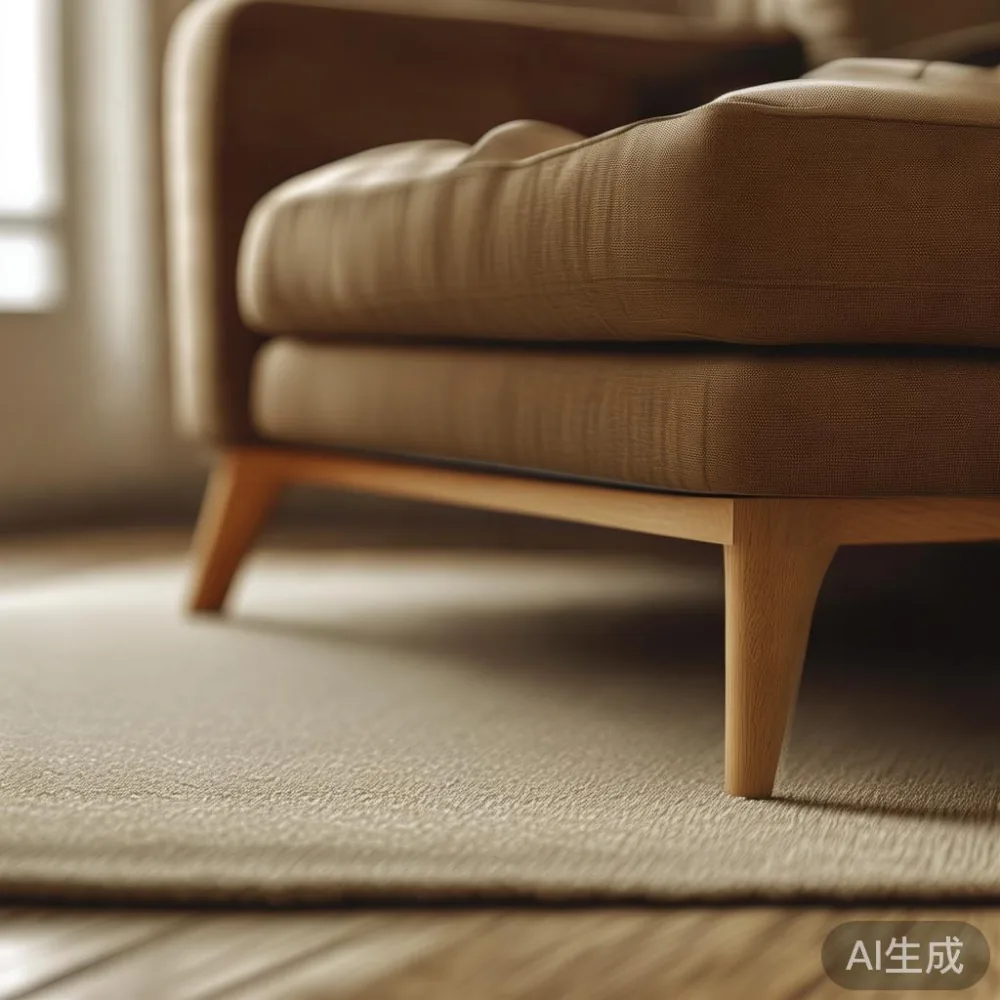
Look for a seat height of about 43–46 cm, a usable seat depth of 50–58 cm, and a back that supports the lumbar area. These figures suit many adults, although personal proportions and medical needs take priority. If the sofa doubles as a daily workstation, write down your working hours, laptop size, and whether you use a lap desk. A showroom sit-down of 5 minutes is not enough.
A useful design answer is a bench-style sofa with firm seat cushions, straight backs, and separate modules. A solid wood sofa frame can resist distortion better than a frame assembled mainly from weak joints or thin panels. Ask for the timber species, frame construction, joint method, and warranty rather than accepting “solid wood” as the only specification.
Will the sofa fit through my HDB or condo?
<Measure the complete route, not just the living room. In an HDB flat, begin at the void, lobby, and lift opening, then account for the corridor, unit door, and any tight turns. In Tampines and Bedok estates, service corridors may include sharper corners than the route shown in an online floor plan. In Punggol, newer condo layouts can have narrow entry passages even when the living room itself is generous.
Write down the narrowest lift door width, lift depth, lift car width, corridor width, ceiling height, and turning space. A sofa that measures 220 cm wide may fit a 210 cm lift door diagonally, but the calculation must also account for sofa height and packaging. Request an unfolded dimension diagram with every relevant point marked. Do not rely on a product page that lists only “220 cm” without explaining whether that includes the arms.
For a common corridor width of 120 cm, a 220–240 cm sofa usually needs to be tilted through its length; a 90–100 cm corridor requires an even more controlled angle and clear ceiling space. These are working guides, not promises. Measure your own route and have the supplier confirm against the actual delivery address.
Protect the route with cardboard corner guards and floor protection. Specify delivery within 7–14 days after the item is ready, or agree on a booked slot if the building has mover restrictions. Confirm whether the delivery team carries the sofa to the unit door or places it in the room; those services should not be left ambiguous.
What should I ask about materials, weight, and durability?
Weight provides a practical clue about construction, but more kilograms does not automatically mean better furniture. A solid wood sofa may weigh 70–120 kg, while a hollow or knock-down design may weigh 25–50 kg. Ask for the actual net weight and the weight limit per seat. For normal adult use, look for a stated capacity of at least 120 kg per seat, with 150 kg preferable for a shared work-from-home sofa.
Inspect the frame at close range. It should use kiln-dried hardwood or another documented structural timber, with joints fixed by screws, dowels, or equivalent methods. Avoid frames made only from MDF, veneer, or particleboard beneath a “solid wood” description. Check that the seat platform is not a sagging sheet. A slatted base can offer ventilation and support, but the slats must be properly spaced and secured.
For upholstery, request the fabric composition, abrasion rating, seam construction, cushion density, and foam type. Removable covers should unzip or lift out for cleaning. Removable covers should unzip or lift out for cleaning. If you will eat at the sofa, specify a stain treatment and keep a sample rather than assuming every light-coloured weave can be scrubbed.
Online shoppers should compare more than one product category. The same sizing and finish rules should apply to a solid wood sofa, bed frame, dining table, wardrobe, nightstand, or marble table. A marble table may need a separate lifting plan because its top can weigh 60–100 kg, while a narrow nightstand can reveal poor corner planning even when it is visually simple.
How do I choose a sofa for a 12-by-12-foot HDB living room?
A 12-by-12-foot room is often shown as a square, but usable wall lengths are reduced by doors, radiators, window projections, and air-conditioning units. Allow at least 90 cm for a main circulation path and 60–75 cm in front of a cabinet or television console. A 210 cm sofa can work along a 3.6 m wall; a 250–280 cm sofa may dominate the same room.
For work from home use, preserve a clear desk zone. A 120–140 cm desk with a 70 cm depth is more useful than a large but inaccessible table. Position the screen roughly 50–70 cm away, with the top of the monitor near eye level. If the sofa faces the desk, choose a firm back and avoid deep cushions that encourage slouching.
Light colour does not solve a cramped layout. Pale upholstery can visually widen the room, yet 2 large matching floor lamps may narrow the perceived and actual passage. Choose one statement element, such as a French light luxury oak coffee table or an American light luxury side chair, and keep the sofa’s proportions disciplined.
For condo living rooms, check curtain tracks, balcony thresholds, and the swing of hinged doors. A modular sofa may be split into 2 sections no wider than 95–110 cm, making transport easier and allowing unused sections to be removed. The trade-off is visible joins and more components to assemble. Ask for assembly time, tool requirements, and whether the modules can later be separated without damaging the frame.
How much should I budget, and are under-SGD-2,000 sofas realistic?
In Singapore, a 3-seat sofa may range from SGD 900 to SGD 4,500 or more, depending mainly on frame, upholstery, dimensions, and detailing. GST is normally included in displayed consumer prices, but verify the listing. Import charges or delivery surcharges outside the company’s stated free-shipping threshold should also be shown before payment.
Buyers searching under 2000 European furniture will encounter products below SGD 2,000, but “European” can refer to style rather than country of manufacture. Buyers browsing under 2000 Vintage furniture face the same issue: vintage-inspired appearance does not guarantee vintage construction. Ask for country of manufacture, material specification, and warranty terms.
A solid frame, firm seat, useful dimensions, and reliable warranty can justify SGD 1,500–2,000, though imported duties and building delivery can alter the total. MIDHILL states a 10-year structural warranty on eligible products, with lifetime refinishing for its solid wood furniture. Confirm the written scope, exclusions, and claim process for the exact model.
Those searching for cheap Italian light luxury furniture should compare total ownership rather than purchase price alone. Low-cost upholstery may need replacing after 2–3 years, while a repairable timber frame can remain useful for 10 years or longer. The same discipline applies when researching modern European light luxury furniture: examine joinery, timber finish, fabric rub rating, and after-sales support before the discount captures attention.
How do I style European light luxury sofa in room for work?
Searching for how to style European light luxury sofa in room for work usually produces polished images with no visible cables, laptop, or cup holder. Start instead with function. Place the sofa perpendicular or at an angle to the desk, not directly where it forces a twisted neck. Keep a 15–20 cm gap between the sofa and coffee table for circulation and laptop use.
Use one large rug, at least 160 by 230 cm in a typical 3.6 by 3.6 m living room, to define the work-from-home zone. Add a 40–50 cm table lamp with a warm 2,700–3,000 K bulb, but route cables along the wall with clips rather than across the walking path. A slim side table within 30 cm of the sofa’s arm provides a stable surface for a drink or notebook.
Post-modern light luxury works well through geometry rather than excess ornament: a curved coffee table, square side table, clean-lined sofa, and one textured textile can feel composed without filling every surface. French light luxury might use linen, pale oak, cream walls, and curved edges. American light luxury often favours larger proportions, deep neutral tones, and layered textiles.
Keep the styling honest about real life. If the sofa hosts daily calls, add a small tray and a washable blanket. If children use the room, choose a fabric with at least 30,000 Martindale rubs and removable covers where possible. The visual result should support the working routine rather than conceal it.
What does delivery, returns, and after-sales support change?
Delivery terms are part of the sofa, especially when it cannot be carried through the lift. Confirm the estimated dispatch time, whether the quoted delivery window is 7–14 days or longer for a custom finish, and who handles damage. Ask for photographs before the sofa leaves the warehouse and at handover.
Check the return policy against the company’s stated 14-day returns. Confirm whether returns are accepted for a custom-sized sofa, what condition the packaging and removable covers must be in, and whether a restocking or collection fee applies. A 14-day policy has little value if a custom item is excluded, so obtain written confirmation before ordering.
For a large purchase, MIDHILL’s lifetime refinishing offer is worth examining closely: determine which surfaces are covered, what the process costs, and whether the service is available to the original purchaser. A 10-year structural warranty should identify what “structural” means, such as frame or joint failure, and what evidence the customer must provide.
Last month I visited a Singapore client’s Bedok condo with a colleague to check a sofa delivery for a work-from-home room. The written dimensions had passed, yet the longest corridor turn was 6 cm tighter than the sofa’s diagonal clearance at its deepest cushion. The supplier split the sofa into 2 modules, each measuring 98 cm across, and the delivery team completed the move in about 35 minutes. That visit reinforced a simple rule: measure the sofa with its cushions in place, then measure the hardest turn twice.
What final checklist should I complete before paying?
Obtain the sofa’s width, depth, height, arm width, leg projection, packaging dimensions, and weight. Record the lift door, lift car, corridor, unit door, and tightest turn. Confirm the floor plan and delivery time with the building management desk where required.
Then check comfort with a 15-minute work posture test, inspect the frame and seams, verify the stated load capacity, and review the upholstery care instructions. Make sure the finish, sample, cushion firmness, and colour have been approved in writing. Compare the total price in SGD, including GST, delivery, assembly, and any non-delivery surcharge.
Finally, read the structural warranty, refinishing terms, and 14-day returns together. Look for a supplier that answers measurement questions directly and accepts responsibility when the route changes. A sofa you cannot sit on is not merely an aesthetic mistake; it may be a room that no longer works for everyday life. The right piece should support a full day of work, survive the route into your home, and remain practical long after the delivery photograph is taken.