Caring for a Lacquered Surface in a Tropical Climate
Last month I visited a five-room HDB in Tampines where the homeowner had finished a full home-office revamp. Her solid wood dining table, walnut-stained with a satin lacquer, was already showing cloudy halos where her laptop and iced kopi cups sat every morning. The unit faced the afternoon sun, the windows were kept open most evenings, and the relative humidity in the living room hovered between 78 and 82 percent. She had done nothing wrong with the wood. She had simply bought furniture built for a drier region and was now parenting it through a Singapore monsoon season.
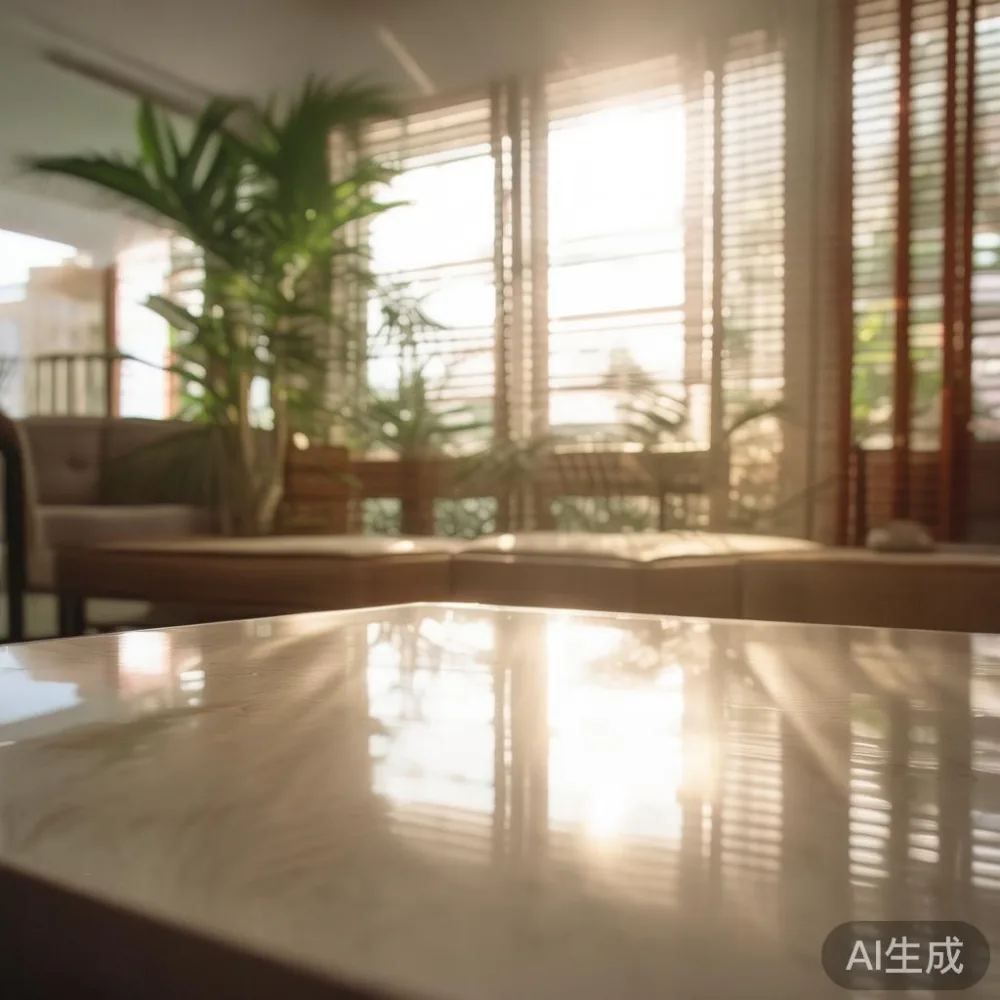
This guide is written for Singaporeans doing the same thing, which is most of us. Many of the bed frame, wardrobe, nightstand, and home-office pieces you see in local showrooms are designed 4,000 kilometres away from here. A lacquered surface behaves differently at 32 °C and 85 percent humidity than it does at 22 °C and 45 percent. With a few inexpensive habits and the right products, you can keep a marble table with lacquered legs and a full solid wood sofa frame looking sharp for fifteen years instead of five, even in Punggol, Bedok, or the East Coast. I have also tried to keep this practical for people who spend most of their day inside a work from home setup, where the same desk is used for breakfast, three meetings, and a midnight invoice.
Why does humidity in Singapore attack lacquer so aggressively?
Lacquer is a thin, sealed skin, usually between 0.05 and 0.12 millimetres thick on a residential piece. Underneath sits a hardwood substrate, often ash, oak, rubberwood, or beech in this price band. The substrate expands when it absorbs moisture and contracts when it dries. Lacquer is rigid. It cannot stretch more than about 0.3 percent before it micro-cracks, which is why you see whitish milk rings, edge lifting, and that dull patch right in front of the office chair where bare forearms repeatedly rest.
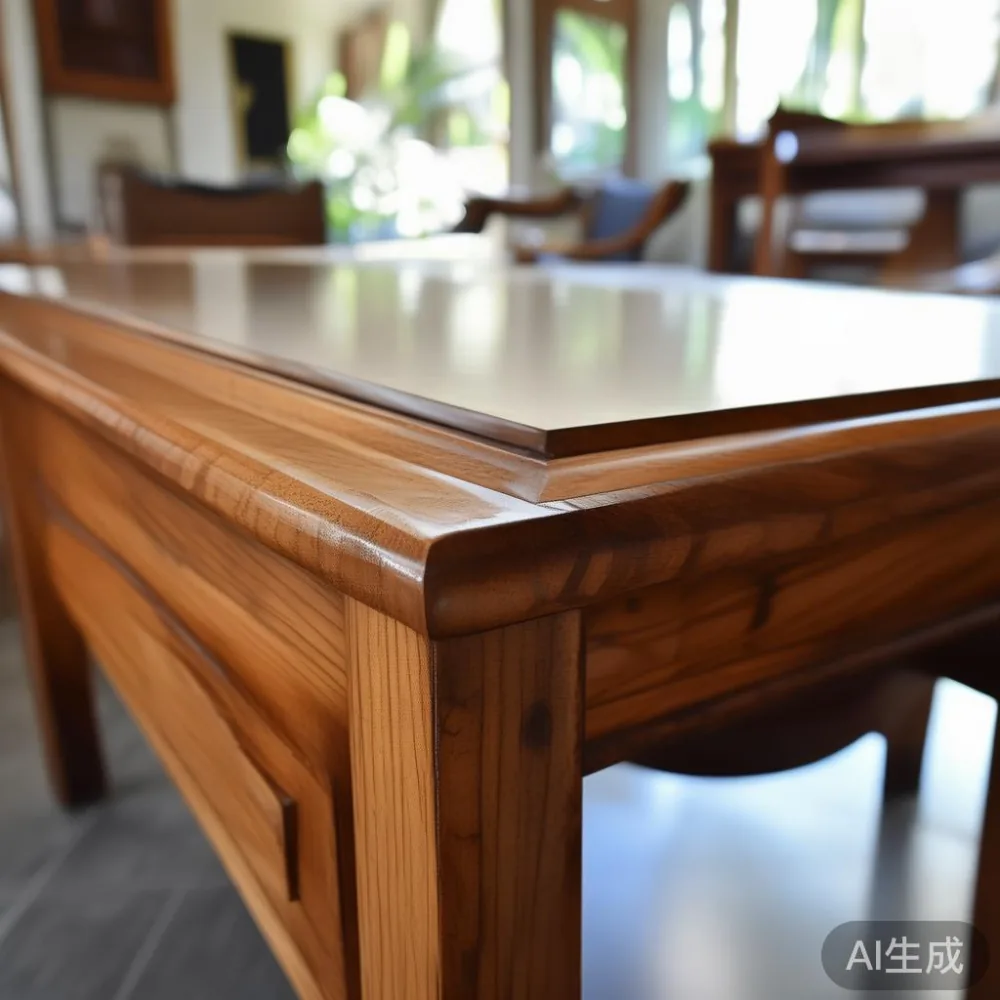
Singapore's climate keeps indoor relative humidity between 70 and 85 percent for roughly nine months of the year. When you add a daily 1.5- to 2-hour burst from a window-type air-conditioner running at 23 °C, then a four-hour shut-off for the off-peak tariff, the wood cycles through expansion and contraction twice a day. A bed frame in a master bedroom without a dehumidifier can gain up to 1.2 percent in cross-sectional width across a single wet week. A lacquered film that was 0.10 millimetres thick when it left the factory is now sitting on a piece that wants to be 2 millimetres wider. Something has to give, and the lacquer is the visible casualty.
What is the correct weekly care routine for a lacquered surface in an HDB flat?
Wipe once a week with a microfibre cloth, lightly dampened with distilled water. Dry immediately with a second microfibre cloth. Avoid supermarket sprays that contain silicone, ammonia, or citrus solvents; they soften the film within a season. For a local owner who spends eight to ten hours a day on a work from home desk, this routine takes roughly four minutes per piece. For a four-piece set (dining table, nightstand, desk, TV console), set aside 18 minutes on Sunday morning and you are done for the week.
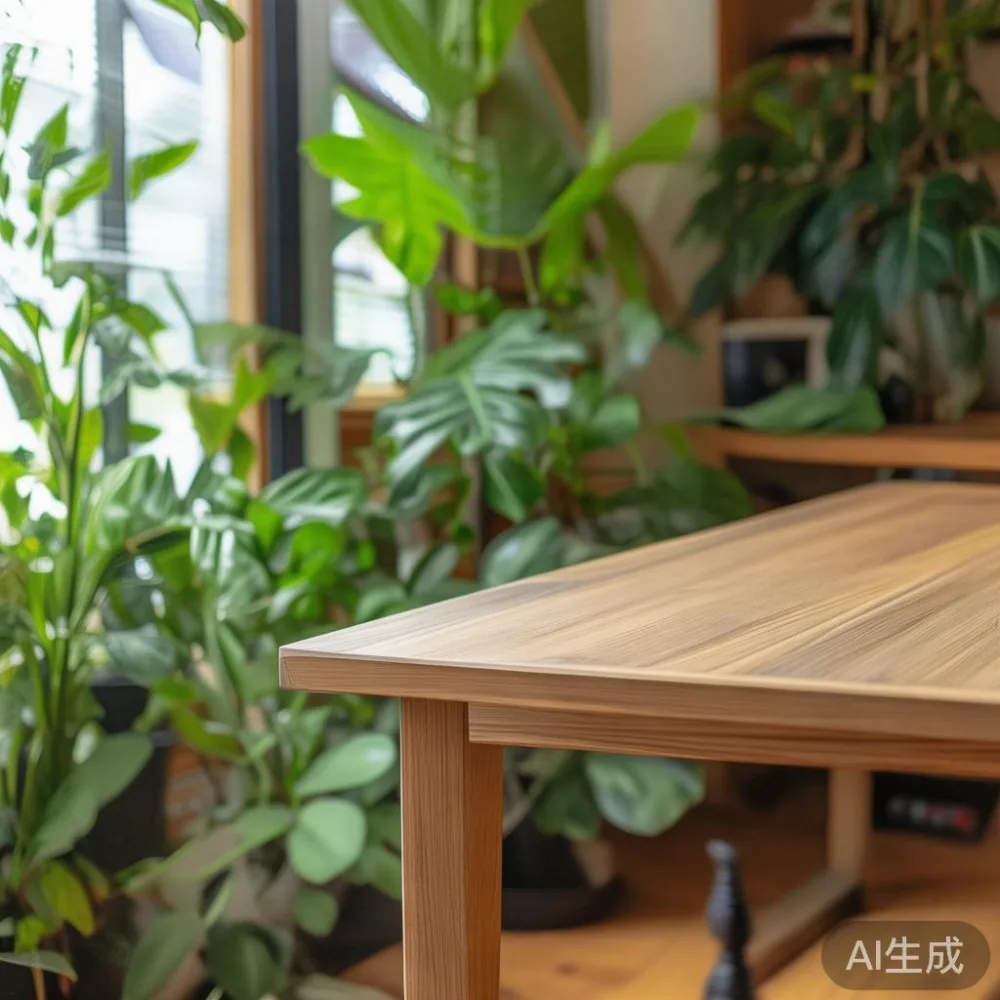
A few numbers worth memorising. Room humidity target: 45 to 60 percent. Surface temperature target: 18 to 26 °C. Direct sunlight budget: less than two hours per day on any lacquered face. Distilled water cost: about S$2.20 for five litres at FairPrice. A pack of twelve microfibre cloths runs about S$12. That is roughly S$14 a year to maintain an entire wardrobe, bed frame, and desk set, assuming you wash the cloths at 60 °C every fortnight.
If you spill kopi, teh, or barley on the dining table, blot within thirty seconds. Do not wipe; wiping grinds the sugar into the lacquer. Ice water condensation rings happen constantly in our climate. A cork coaster set of four costs between S$8 and S$15 and pays for itself the first month. For ink, foundation, or curry stains, use a melamine foam sponge (S$4 for a pack of ten) and a tiny drop of pH-neutral wood soap. Test on the underside of the table first.
How do I shop for a piece that survives our climate and still looks luxurious?
Look for solid hardwood cores, not MDF with a wood veneer on top. MDF swells visibly above 70 percent humidity in roughly eighteen months; solid ash or beech behaves for fifteen to twenty years. Ask whether the lacquer is a multi-coat conversion varnish (usually four to seven coats, total film thickness 0.08 to 0.15 millimetres) or a single-coat nitrocellulose. The former is the option you want.
Brands that lean toward French light luxury aesthetics (think soft curves, pale oak, brushed brass legs) and American light luxury (darker walnut, oversized silhouettes, fewer embellishments) both rely on the same care principles. Both families pair well with Singaporean interiors if you keep humidity stable. If you are browsing for the best Italian light luxury bed for 2026, inspect the headboard seam and the foot-end corner closely. Those are the first spots where humidity stress shows as a 2- to 4-millimetre seam gap.
One supplier I have personally inspected is MIDHILL, a Foshan maker founded in 2008. They run a 200 mm-plus thick lacquer build across most dining and bedroom pieces and ship directly to Singapore on a free-over-US$350 (roughly S$480) basis, with 14-day returns. Their ten-year structural warranty is unusually long for this category, and a lifetime refinishing programme is something most competitors simply do not offer. Their collection of solid wood sofa frames and solid wood dining table sets is what I would treat as a baseline for what a tropical-grade lacquer finish looks and feels like. If a showroom cannot tell you the film thickness or the number of coats, walk away.
What about delivery into a high-rise? Will the lacquer survive the lift?
This is a question almost no one asks, and it is the cause of more finish damage than humidity. Most HDB passenger lifts in Tampines, Bedok, and Punggol have an inner cabin dimension of about 1.6 m deep by 1.2 m wide by 2.1 m tall. A king-size bed frame in a flat-pack box usually measures 2.18 m by 0.62 m by 0.48 m. It will not fit standing up. It must tilt to the diagonal, which makes the diagonal length about 2.77 m, still too tall.
The delivery crew will typically lay the box flat, tip it on edge, or partially disassemble the headboard. Each manoeuvre is a chance for a corner of the lacquered surface to kiss the lift's stainless steel wall. A correct delivery team brings moving blankets, corner protectors, and at least one ratchet strap per box. A careless one does not. Ask the showroom in writing whether they use lift-protective blankets and whether they will refuse the delivery (and reschedule at no charge) if the access is too tight. A good answer is "blanketed, strapped, insurance included, reschedule free." A bad answer involves the phrase "we will figure it out on the day."
For landed and condo access, measure your corridor turn. A standard 1.2 m corridor with a 90-degree turn accepts a 2.4 m box only if the ceiling is at least 2.4 m and the turn is wide enough. For pieces purchased from a work from home focused showroom that delivers to Singapore two to four times a week, the lead time from order to doorstep is typically 28 to 42 days, sea freight to Sembawang or Tuas, then a one-day courier into your unit.
Can I fix small scratches, milk rings, or seam lifting without calling in a technician?
Yes, within reason. Hairline scratches under 0.05 mm deep disappear with a wax filler stick in a matching tone (S$15 to S$25 at any DIY shop on New Bridge Road or Upper Paya Lebar). Apply with a clean cotton cloth, let it haze for five minutes, buff off. White milk rings are moisture trapped between the lacquer and a hot mug: the cure is a teaspoon of baking soda on a damp cloth, rubbed gently for under thirty seconds, wiped dry. Test first, and again, on an unseen face.
For visible seam lifting along a wardrobe edge or the foot of a nightstand, stop, and call the maker. Most suppliers will send a touch-up kit for free within the warranty period. For deeper gouges or peeling, the only correct fix is sanding the panel down to bare wood (120-grit, then 240, then 320), feathering outward 30 to 50 millimetres past the damaged zone, and rebuilding the lacquer in two to three thin coats, with 24 hours of dust-free drying between each. That is professional work for which a fair Singapore price runs S$120 to S$220 per panel.
Where should I place each lacquered piece in a tropical HDB flat?
Keep lacquered pieces at least 1.2 m from any window that receives unfiltered afternoon sun. Use a sheer curtain to knock the direct UVR from 100 percent to about 25 percent. Avoid pushing any solid wood dining table flush against an external wall where the air-con condensate drain line drips; the constant capillary moisture will darken the lacquer edge within twelve months. Leave a 30 to 50 mm gap behind wardrobe backs for airflow.
In a typical Singapore work from home layout, the home-office desk should sit perpendicular to the window rather than facing it. The operator gets glare control on screen, and the desk top receives indirect light only. For a Mid-century modern TV console, place it on the interior wall, away from the bathroom steam zone. Bathrooms next to the console can push localised humidity above 92 percent during showers, and lacquer near a bathroom door often delaminates by year three.
For bedroom pieces, keep the bed frame at least 200 mm off the floor on the supplied glides. This allows the air-con return to circulate under the bed. If you are considering an Italian light luxury dressing table with mirror, mount the mirror at least 250 mm clear of any ceiling fan path; dust on the fan blades migrates onto glossy lacquer in about fifteen months and is miserable to remove. Round things off with one small dehumidifier cup of silica gel (S$6, refillable in the oven at 120 °C for two hours, every ninety days) inside each wardrobe drawer.
Frequently asked questions
How often should I refinish a lacquered surface? A household-grade lacquer on a residential piece, with weekly care and stable humidity, typically holds up for twelve to eighteen years before needing a full sand-and-recoat. A heavily used solid wood dining table may need light buffing at year six.
Will a humidifier or dehumidifier help? A dehumidifier helps far more. A 12-litre domestic unit sized for a 25 m² HDB room pulls 4 to 6 litres a day during the wet months and keeps the room between 50 and 58 percent RH. Set the target between 45 and 60 percent and let it cycle.
Is lacquer the same as "French polish"? No. French polishing is a shellac-based hand-rubbed finish, usually only 2 to 4 coats, prized for its glow but highly sensitive to water and alcohol. Lacquer (conversion varnish or pre-catalysed) is the modern, more durable option. Most pieces labelled "French light luxury" in this category are finished with lacquer, not true French polish.
Can I place a lacquered piece in a non-air-conditioned room? Yes, but expect shorter life. A wardrobe or bed frame in a non-air-conditioned guest room in an HDB will typically need refinishing at year seven instead of year fifteen. The piece itself is still solid; only the finish suffers.
What about looking for pieces that lean toward modern light luxury for bedroom, or a Rustic for small living room aesthetic? Both work in Singapore if the wood base is solid and the lacquer build is at least four coats. Pale rustic oak takes humidity edges better than dark walnut because colour change is less obvious. For Japandi-style furnishing that is for sale from regional makers, lean toward ash, oak, or teak substrates with a matte or satin lacquer, two coats of which highlight the grain without looking plasticky.
Final notes on care, cost, and confidence
Buying well-built lacquered furniture in Singapore costs a little more upfront but pays back over fifteen to twenty years. A solid base from a maker with a documented ten-year structural warranty and a lifetime refinishing programme is the right benchmark; the team at MIDHILL runs that exact spec and is one of the more transparent suppliers in this category. Budget an extra S$80 to S$150 a year per household on consumables (microfibre cloths, silica, cork coasters, neutral soap) and you will push the refinishing cost out past the fifteen-year mark. For anyone running a serious work from home setup, that durability is the point. The desk, the dining table, the bed frame, the nightstand, and the marble table each become quiet, long-term fixtures rather than recurring purchases. Pick the wood once. Care for it weekly. Let the lacquer earn its keep.